Artificial Leaves are moving beyond simple decorative fillers in 2026. Global buyers now expect realistic texture, stable color, safer materials, and dependable supply.
This guide examines the best Artificial Leaves types for homes, hotels, retail displays, restaurants, and outdoor projects. It considers silk leaves, PE leaves, PVC leaves, preserved-style foliage, and UV-resistant options. Each type behaves differently under sunlight, humidity, handling, and repeated cleaning. A leaf that looks excellent indoors may fade quickly beside a bright shop window. That matters.
Practical buying decisions require more than attractive product photos. Experienced buyers should check leaf density, stem flexibility, surface texture, odor, packaging strength, and sample consistency. Material declarations can support safer purchasing. For commercial projects, buyers should also review applicable fire, labeling, chemical, and import requirements in the destination market. Standards vary. Local verification remains essential.
This article compares appearance, durability, maintenance, cost, and typical applications across major Artificial Leaves categories. It also explains where each option may disappoint. No single leaf suits every market. That assumption fails. A low-cost PVC design may serve a short campaign, while UV-treated PE foliage may better support a permanent outdoor display. Even premium products can show color variation between batches. Careful sampling helps expose these weaknesses before a large order.
The goal is practical guidance, not exaggerated promises. Buyers can use these comparisons to select foliage that matches their environment, budget, project life, and quality expectations. Realistic details matter.
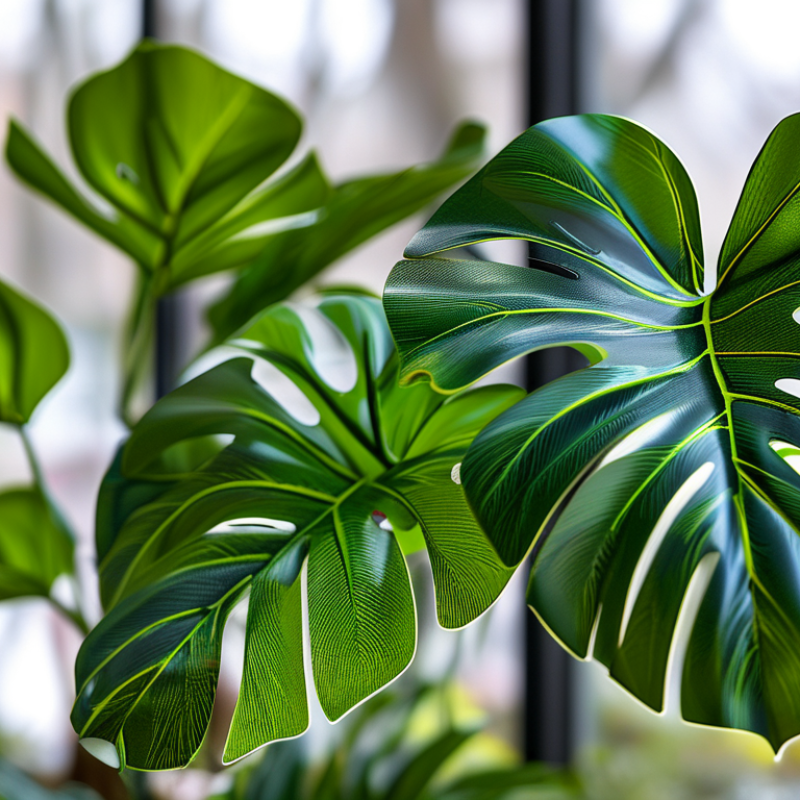
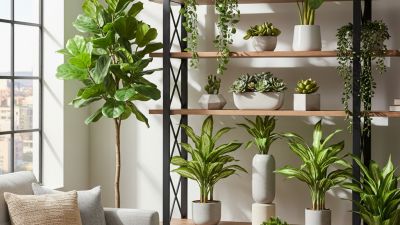
Artificial leaves are manufactured foliage designed to imitate the shape, color, and texture of living plants. They are usually made from materials such as polyester, polyethylene, or flexible plastic. Thin wire may support the stem and help users adjust each leaf naturally.
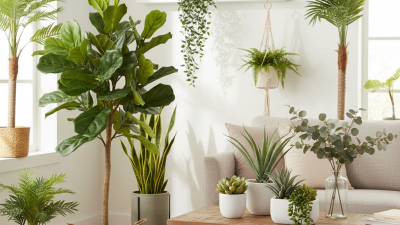
Realistic construction depends on small details. Raised veins catch light like fresh leaves. Uneven green tones create depth instead of a flat, painted appearance. Some surfaces use a soft matte finish, while others include slight gloss on younger growth. I have found that layered branches look more convincing when leaves face different directions. Perfect symmetry often looks artificial.
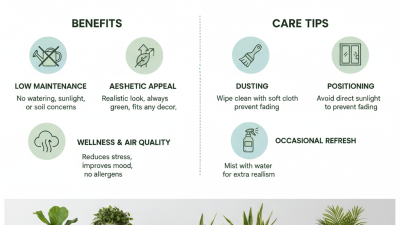
Buyers should check leaf dimensions, material declarations, colorfastness, and fire-safety information before ordering. Outdoor projects need confirmed resistance to sunlight, moisture, and temperature changes. Indoor displays still require regular dust removal, especially around textured veins. A soft brush works better than harsh cleaning chemicals.
No imitation is flawless. Some products reproduce color well but feel too thin. Others have excellent texture but stiff stems. This trade-off deserves attention. Comparing samples under daylight can reveal differences hidden in online photos. A useful test is simple: bend one stem, inspect the underside, and check whether the pigment looks consistent at the edges. These details affect how artificial foliage performs in hotels, retail spaces, offices, and residential interiors.

2026 Best Artificial Leaves Types for Global Buyers
Main Types of Artificial Leaves for Different Global Applications
Artificial leaves now serve more than decorative corners. Grand View Research valued the global artificial flowers market at about USD 1.7 billion in 2023. Its analysis also expects steady growth through 2030. Buyers should separate leaf types by application, not only by appearance. PE and PVC leaves suit retail displays, wedding décor, and indoor commercial spaces. Their molded veins look consistent under showroom lighting. Silk-like polyester leaves offer softer movement for hospitality interiors and residential styling. They often need careful dust removal.
For outdoor walls, restaurants, balconies, and event structures, UV-stabilized PE leaves are usually more practical. Look for documented resistance testing, such as ASTM G154 exposure data. The material choice matters under strong sunlight. A glossy finish may look artificial beside a real hedge. Matte surfaces usually blend better with natural landscaping. Fire performance also deserves verification, especially in hotels and public venues. Requirements vary by destination and building use.
Large leaves create quick visual coverage, while small fern or eucalyptus forms add texture between panels. Smithers’ sustainability research highlights growing buyer attention to product life and material efficiency. That makes replaceable modules useful for long-term installations. Mixed materials can improve realism, but they complicate recycling. The boundary is not always neat. A low-cost leaf may become expensive after fading, cracking, or frequent replacement. Samples should be tested beside the intended wall, under daylight, and after cleaning. Suppliers should provide dimensions, material composition, UV information, and care guidance.
Main types of artificial leaves for different global applications
The chart compares common artificial leaf materials using practical buyer-selection scores from 1 to 5. PVC and PE leaves are generally preferred for outdoor and humid applications because of their durability and moisture resistance, while silk and fabric leaves are commonly selected for indoor displays where visual softness and realistic texture are priorities.
Artificial leaves in 2026 are judged by more than appearance. Material choice affects durability, flexibility, weight, and indoor safety. Polyethylene suits outdoor displays because it resists moisture and keeps its shape. Polyester feels softer and supports detailed vein printing. Fabric blends create a gentle movement, but they may collect dust faster. Recycled materials can reduce waste, although their color consistency sometimes varies between production batches.
Texture strongly influences realism. A glossy surface may suit tropical leaves, but it can look plastic under strong lighting. Matte finishes usually appear more natural in offices, hotels, and retail interiors. Look for raised veins, uneven edges, and slight color changes across each leaf. These small details catch shadows like real foliage. Smooth leaves are easier to clean. They are not always more convincing.
Color selection should match the surrounding light. Deep green works well near warm lamps, while blue-green tones suit bright daylight. Yellowed edges can add age, but excessive brown may suggest poor quality. Realism levels range from decorative to highly detailed botanical replicas. Choose based on viewing distance, not only close-up photographs. No artificial leaf is flawless. Some veins may be too regular, and certain stems may feel stiff. I have found that a slightly imperfect arrangement often looks more believable than identical leaves placed evenly. Inspect samples from different angles before making a large international order. Ask about fading tests, flame-resistance documentation, cleaning instructions, and material composition. These details support safer, more reliable purchasing decisions.
2026 Best Artificial Leaves Types for Global Buyers
Choosing artificial leaves depends on use, climate, and maintenance needs. Grand View Research’s 2024 analysis expects the global artificial flowers market to grow steadily through 2030. This reflects wider demand for durable decorative greenery. However, market growth does not guarantee product suitability.
For indoor offices, polyester leaves offer soft textures and realistic color variation. Polyethylene leaves usually handle moisture better. Choose dense foliage for hotels or retail displays, where gaps become visible under strong lighting. For balconies and outdoor settings, select leaves with UV-resistant pigments and tested backing materials. ISO 4892-3 provides a useful reference for accelerated weathering tests. Hot, sunny regions need stronger UV protection. Humid climates need washable surfaces and corrosion-resistant stems. Windy areas need heavier containers and flexible branches. Small details matter.
Tips: Check the supplier’s UV test duration, cleaning instructions, and material specifications. Ask whether color fading was tested under conditions similar to your climate. Wipe leaves with a soft, damp cloth every few weeks. Avoid harsh cleaners unless the manufacturer approves them. I have found that “weather-resistant” can mean very different things. A leaf may survive rain but fade quickly in direct sunlight. It is also easy to choose attractive foliage that collects dust between narrow veins. That mistake increases maintenance. When comparing samples, place them near your intended window or entrance for several days. The lighting may expose an imperfect color match.
| Artificial Leaf Type | Recommended Applications | Suitable Climate and Location | Common Materials and Construction | UV and Fade Resistance | Moisture Performance | Maintenance Requirement | Typical Service Expectation |
|---|---|---|---|---|---|---|---|
| Polyester Palm Leaves | Hotels, restaurants, event décor, tropical displays, indoor atriums | Best for indoor and sheltered outdoor areas; suitable for warm or humid environments when protected from severe weather | Molded polyester or fabric leaves with wire-reinforced stems and coated surfaces | Medium Higher performance requires a UV-protective coating |
Good resistance to occasional splashes; should not remain continuously soaked | Low; dust with a soft cloth or rinse gently when permitted | Indoor use can provide many years of service; outdoor life depends strongly on UV exposure and coating quality |
| Polyethylene Monstera Leaves | Office interiors, retail displays, living walls, balconies and covered patios | Suitable for indoor spaces and moderate outdoor conditions; select UV-stabilized versions for exterior use | Injection-molded polyethylene with textured veins and flexible or reinforced stems | High with UV Stabilizer Standard indoor grades may fade outdoors |
Very good resistance to humidity and rain; drainage and secure mounting are still important | Low; occasional rinsing removes dust and pollen | Generally durable for repeated commercial use, with outdoor longevity determined by sunlight, temperature and wind |
| PVC Ivy and Trailing Vines | Wall coverings, railings, privacy screens, wedding backdrops and window displays | Best indoors or in shaded, sheltered exterior areas; avoid prolonged exposure to extreme heat | Flexible PVC leaves attached to plastic vines or wire-supported stems | Medium Outdoor-grade UV treatment is recommended |
Good moisture resistance; repeated freezing, thawing and standing water may reduce flexibility | Low to medium; clean regularly because dense foliage can collect dust | Suitable for seasonal and semi-permanent installations; inspect connections and clips periodically |
| Silk and Fabric Foliage | Residential interiors, luxury décor, photography, retail merchandising and controlled exhibitions | Best for dry indoor environments away from direct sunlight and high humidity | Polyester, silk-look fabric or nylon leaves over plastic or wire frames | Low to Medium Direct sunlight can cause fading over time |
Limited; fabric may absorb moisture and can stain, mildew or lose shape if repeatedly wet | Medium; use gentle dusting or low-pressure air and avoid aggressive washing | Long-lasting indoors when protected from moisture, abrasion and strong sunlight |
| Polyurethane Succulent Leaves | Desk plants, hospitality interiors, kitchen displays, dry retail environments and terrariums | Excellent for dry indoor areas; suitable for covered outdoor spaces only when specifically rated for exterior use | Flexible polyurethane foam or molded polymer with realistic thickness and matte coloring | Medium Color stability varies by pigment and protective finish |
Good resistance to occasional moisture; prolonged saturation can affect adhesive joints | Low; wipe gently and avoid solvents or high heat | Good indoor durability; soft surfaces can be damaged by sharp objects or compression |
| Plastic Eucalyptus and Olive Branches | Home décor, conference rooms, dining spaces, floral arrangements and office reception areas | Primarily indoor use; covered balconies are acceptable in mild conditions | Molded plastic leaves on flexible plastic, metal or wire-reinforced branches | Medium Choose UV-treated foliage for sunlit rooms or sheltered exteriors |
Good resistance to humidity and light splashing; fabric or flocked finishes need extra care | Low; wipe or rinse smooth plastic surfaces as needed | Typically reliable for long-term indoor displays; stems may need reshaping after transport |
| Outdoor UV-Stabilized Ferns | Garden screening, balconies, poolside décor, shaded patios and exterior green walls | Designed for outdoor use in sunny, humid or rainy conditions, subject to the product’s tested rating | UV-stabilized polyethylene or polypropylene leaves with weather-resistant backing and stems | High Inspect specifications for UV testing and intended exposure period |
Very good resistance to rain and humidity; allow water to drain from dense panels | Low; rinse periodically and remove leaves or debris trapped in the foliage | Appropriate for multi-season outdoor use; strong wind, salt spray and pollution can shorten service life |
| Artificial Banana Leaves | Tropical-themed interiors, resorts, restaurants, photo sets and large decorative planters | Indoor or sheltered outdoor use; best protected from strong wind because broad leaves create high wind resistance | Polyester, polyethylene or PVC leaves with reinforced central ribs and flexible stems | Medium to High Outdoor-grade coatings improve color retention |
Good resistance to rain and humidity when made from molded plastic; fabric versions require shelter | Low; wipe broad surfaces and check stems after installation | Good for commercial displays; leaf edges may crease or tear if exposed to repeated wind movement |
| Artificial Boxwood Leaves | Privacy hedges, façade decoration, partitions, signage backgrounds and modular green walls | Suitable for indoor and outdoor applications when the panels are UV-rated and properly anchored | Dense polyethylene or polypropylene foliage fixed to mesh, lattice or modular panels | High in Outdoor Grades Color variation may occur after prolonged direct exposure |
Very good resistance to rain and humidity; open backing helps drainage and airflow | Low to medium; rinse panels and inspect fasteners, seams and support structures | Well suited to semi-permanent installations; structural mounting often determines total system life |
| Preserved-Style Artificial Moss and Leaf Panels | Acoustic feature walls, wellness spaces, offices, hospitality interiors and branded environments without live plants | Best indoors in stable temperature and humidity; not recommended for exposed outdoor locations | Synthetic fibers, molded leaves, foam or textured plastic fixed to backing panels | Low to Medium Use away from direct sunlight unless an exterior-rated version is specified |
Limited to moderate; moisture can affect backing materials, adhesives and texture | Medium; use gentle vacuuming or air dusting and keep away from excessive moisture | Long-lasting in controlled interiors when protected from water, heat and heavy contact |
Selection note: Outdoor durability depends on UV stabilizers, pigment quality, temperature range, wind exposure, installation method and cleaning practices. Always verify the supplier’s test data, fire-performance documentation and intended-use rating before specifying artificial foliage for a commercial project.
2026 Best Artificial Leaves Types for Global Buyers
Quality, Safety, Sustainability, and Buying Standards for 2026
Artificial leaves now include PE, PVC, polyester, fabric, and recycled-content blends. PE leaves usually offer better outdoor flexibility and color retention. PVC leaves can appear realistic, but buyers should check plasticizer information and odor after unpacking. Grand View Research estimated the global artificial flowers market at about USD 1.8 billion in 2023, with growth continuing toward 2030. This expansion increases the need for measurable quality, not attractive catalog photos alone. In buyer inspections, uneven veins, brittle stems, and loose coatings remain common defects.
Safety needs documented testing. Request material declarations, heavy-metal screening, and fire-performance reports when products enter commercial interiors. Testing should match the destination market and intended use. Do not accept “non-toxic” as a complete claim. Ask for test methods, laboratory dates, and batch references. Shorter supply chains help. So does clear labeling.
Sustainability requires more than a green color. The OECD’s Global Plastics Outlook projects plastic waste could nearly triple by 2060 without stronger intervention. Buyers should request recycled-content percentages, evidence of origin, and packaging data. ISO 14021 guidance can help evaluate self-declared environmental claims. Recyclable construction sounds useful, yet glued mixed materials may be difficult to process. This is an uncomfortable gap. A durable leaf may create less replacement waste, but its end-of-life route still matters. Specify UV-resistance hours, color-change limits, stem strength, carton moisture protection, and spare-part availability before approving samples.