2026 Top Silk Flower Import Trends for Global Buyers?
The silk flower import industry is evolving rapidly, with trends shifting to meet global demands. Industry expert Sarah Chen, a leading analyst in textile imports, emphasizes, “Consumers seek quality and sustainability in silk flower imports.” This underscores the changing preferences that shape the market landscape.
As international buyers explore these trends for 2026, the focus is on more than just aesthetics. The demand for environmentally friendly materials is on the rise. Buyers are increasingly seeking suppliers who practice sustainable sourcing. This shift is important, yet many importers may lack adequate knowledge of eco-friendly alternatives.
However, not all businesses are adapting. Some continue to rely on outdated practices. This resistance can hinder access to newer, better product lines. Staying informed about silk flower import trends is crucial for long-term success. As the market evolves, adaptability becomes essential for retailers aiming to attract discerning customers.
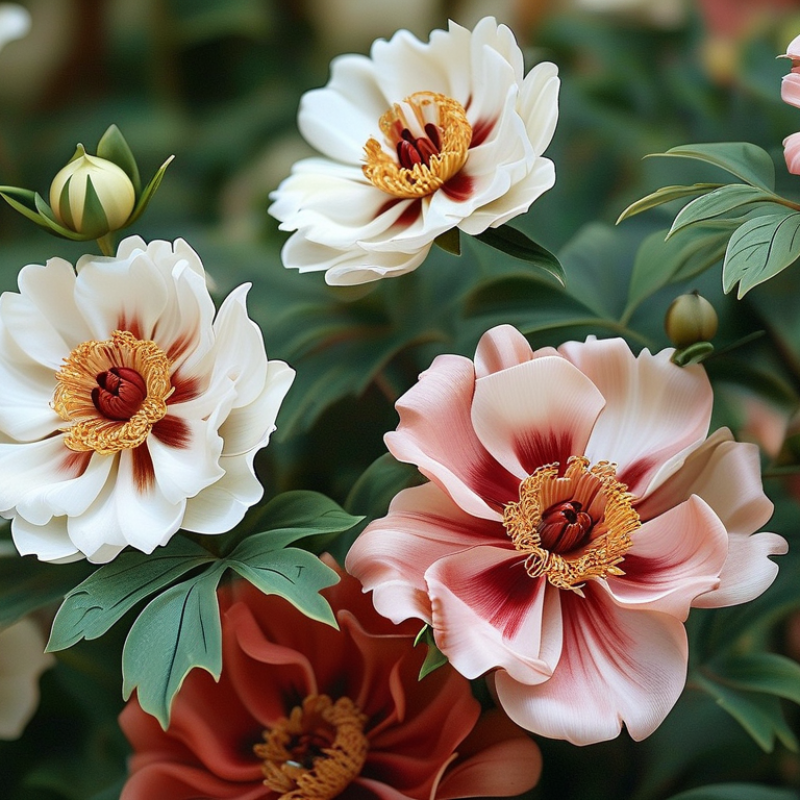
Emerging Markets for Silk Flower Imports in 2026
As the global market for silk flower imports continues to evolve, emerging markets in 2026 show promising opportunities. According to recent industry reports, countries in Southeast Asia, such as Vietnam and Thailand, are rapidly increasing their demand for high-quality silk flowers. The rise of online shopping and wedding events in these regions underscores their potential as lucrative markets for importers.
Many buyers are focusing on sustainability in flower sourcing. Reports suggest that 40% of consumers now prefer eco-friendly products. Consequently, importing companies should consider sustainability in their silk flower offerings to attract this growing demographic.
Tips: Research local festivals and cultural events when targeting these markets. Understanding seasonal demand can help optimize inventory.
Additionally, it is essential to maintain a balance between trendy designs and traditional preferences. For instance, while modern minimalist styles are gaining traction, classic floral arrangements still hold value for many consumers. Keeping a flexible inventory could mitigate risks in these fluctuating markets.
Innovative Designs and Styles Dominating Silk Flower Trends
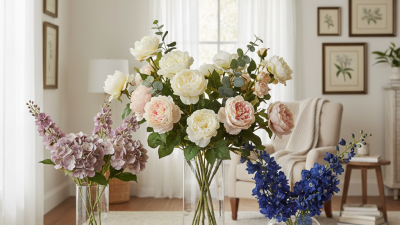
Innovative designs are shaping the silk flower market in 2026. Many buyers are looking for unique styles that stand out. The trend is shifting toward more realism. Flowers that mimic nature closely are gaining popularity. Soft textures and color gradients create lifelike appearances. Buyers appreciate intricate details, like nuanced petal shapes and subtle variations in hues.
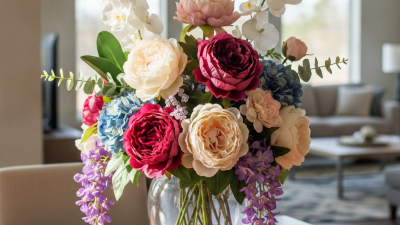
Bold colors are also emerging as a key trend. Vibrant purple or deep red flowers can add a dramatic touch to any space. Unique arrangements that combine unexpected elements attract attention. Creators are experimenting with unusual materials, blending silk with other textures. This blending approach adds depth and richness to designs. Some arrangements feature asymmetrical shapes, providing a modern twist.
However, there are challenges in the industry. Not every design hits the mark with consumers. Trends can shift quickly, leaving some businesses behind. Balancing artistry with market demands is crucial. Buyers often express the need for versatility in their purchases. This requires constant adaptation from suppliers. Keeping an eye on ever-changing consumer preferences is essential.
2026 Top Silk Flower Import Trends for Global Buyers
| Import Region |
Trend Category |
Design Style |
Color Trends |
Growth Rate (%) |
| North America |
Home Decor |
Realistic Floral Arrangements |
Pastels and Earth Tones |
15% |
| Europe |
Weddings and Events |
Bohemian and Vintage Styles |
Bold Colors and Metallics |
20% |
| Asia |
Seasonal Decor |
Minimalist and Modern Designs |
Neutrals with Pops of Color |
10% |
| Australia |
Retail Products |
Customizable Arrangements |
Soft Pastels and Brights |
12% |
| South America |
Art Installations |
Large Scale and Interactive |
Vibrant and Colorful |
18% |
Sustainability and Eco-Friendly Practices in Silk Flower Production
The silk flower industry is embracing sustainability with renewed vigor. Eco-friendly practices are becoming essential in production. As global buyers, understanding these trends can help in making responsible choices.
Silk flowers made from sustainable materials minimize environmental impact. Many manufacturers are using biodegradable substances and natural dyes. This shift reflects a growing demand for eco-conscious products. Buyers should be aware of the production processes behind silk flowers. Knowledge about sourcing can help ensure responsibility in your purchases.
Tips for eco-friendly silk flower selection include asking about the raw materials. Look for certifications that indicate ethical practices. Prioritize suppliers who engage in community support. However, some may greenwash their products. Always verify claims and seek transparency in production methods. This requires diligence, but it leads to well-informed decisions.
2026 Top Silk Flower Import Trends for Global Buyers
This chart illustrates the projected import volume of silk flowers in various regions for the year 2026. Significant growth is expected in Asia, followed by Europe and North America, indicating shifting import trends influenced by sustainability practices and eco-friendly production methods.
Consumer Preferences Shaping the Silk Flower Market
The silk flower market is evolving rapidly, driven by changing consumer preferences. Buyers today seek more than just aesthetics; they desire sustainability and authenticity. Eco-friendly materials are now highly valued.
Many consumers prefer flowers that look real and can last for years. This shift towards durability has influenced production techniques.
Tips: Consider sourcing silk flowers made from recycled materials. This aligns with consumer demand for sustainability. Realistic textures also enhance appeal. Buyers often gravitate toward products that mimic the beauty of fresh blooms.
Market research shows an increased interest in personalization. Customizable arrangements attract attention. Offering unique designs can set businesses apart. However, companies should reflect on their production capacity. Balancing customization with efficiency is crucial for success. Leaving room for improvement is vital in adapting to this competitive landscape.
Technological Advances Impacting Silk Flower Importation Processes
The silk flower import market is witnessing significant changes due to technological innovations.
Automated systems streamline procurement processes, allowing buyers to order with greater efficiency. Advanced logistics software tracks shipments in real-time, reducing delays. These improvements bolster transparency in the importation process.
Moreover, the use of artificial intelligence enhances supply chain management. Algorithms predict trends, helping buyers plan better. However, reliance on technology can pose risks. What happens when systems fail? Contingency plans are essential for smooth operations.
Tips: Always evaluate supplier reliability. Cross-check reviews and previous performance. Look for suppliers who understand tech integration well. It ensures smooth transactions and better communication.
Incorporating sustainable practices is vital. Buyers should consider eco-friendly materials in silk flowers. Not all suppliers prioritize sustainability, so diligence is key. This is a growing concern for consumers who value ethical sourcing.