2026 Top Faux Flowers Trends for Global Buyers?
As we approach 2026, the world of decor is evolving, particularly in the realm of faux flowers. These stunning alternatives to real blooms are gaining traction among global buyers. Their versatility and longevity make them a popular choice for both decorative and practical purposes. Faux flowers can suit any aesthetic, from rustic farmhouse styles to modern minimalist designs.
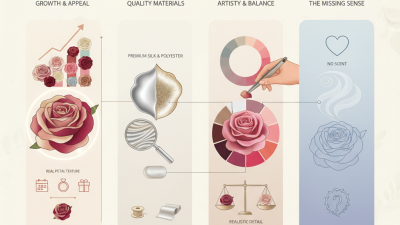
The trends for faux flowers in 2026 suggest a bold exploration of colors and textures. Rich, vibrant hues are making a comeback, while textures that mimic real petals are essential. These innovations invite consumers to reconsider how faux flowers can add warmth and character to their spaces. However, not every trend resonates with everyone. Some may find certain styles overdone or lacking authenticity.
In the quest for perfect decor, it’s important to reflect on personal style. The appeal of faux flowers lies not only in their appearance but also in their ability to bring joy without the maintenance of real plants. As buyers navigate this evolving landscape, they should embrace their unique preferences while being open to new trends. The journey of incorporating faux flowers into everyday life is as important as the destination.
2026 Faux Flower Market Growth Projections and Influencing Factors
The faux flower market is set to grow significantly by 2026. Several factors are influencing this trend. Increased consumer interest in home decor plays a crucial role. Faux flowers offer long-lasting beauty without the upkeep of real plants. This convenience appeals to busy individuals who still desire a vibrant home environment.
Another influencing factor is the sustainability movement. Eco-conscious consumers prefer products that minimize waste. Faux flowers, often made from recycled materials, align well with this value. They provide an alternative to cut flowers, which have a considerable environmental impact.
However, market growth faces challenges. Consumers may question the authenticity of faux flowers. The quality and realism of these products vary widely. Buyers need to be discerning. They must look for high-quality options that truly mimic nature. This search can be overwhelming. It calls for better education on what constitutes a great faux flower.
Emerging Faux Flower Materials: Sustainability and Innovation Trends
The faux flower industry is rapidly evolving, with sustainability taking center stage. Natural materials are becoming increasingly popular. Reports indicate that the market for eco-friendly faux flowers is expected to grow by 20% annually. This shift reflects consumer demands for greener options.
Many producers are adopting innovative techniques. They are using recycled plastics and biodegradable materials for production. A recent study highlights that 70% of consumers prefer products made from sustainable resources. This preference drives brands to rethink their sourcing strategies.
However, challenges remain. Not all faux flowers labeled as sustainable meet eco-friendly standards. Transparency in sourcing is still a concern. Many buyers need more information before making decisions. As the market continues to grow, clearer guidelines are essential for establishing trust. Addressing these issues can enhance credibility and foster a more sustainable industry.
2026 Top Faux Flowers Trends for Global Buyers
| Trend |
Material Innovation |
Sustainability Focus |
Color Palette |
Forecast Market Growth (%) |
| Eco-Friendly Faux Flowers |
Biodegradable materials |
100% recyclable options |
Earth tones and pastels |
15% |
| Smart Faux Plants |
Integration with smart home tech |
Minimal waste production |
Vibrant and bold colors |
25% |
| Textured Faux Florals |
Realistic textures using innovative fabrics |
Sustainable sourcing |
Neutral palettes with pops of color |
20% |
| Customized Faux Arrangements |
Personalization options |
Ethically produced materials |
Soft and warm colors |
30% |
| Minimalist Faux Designs |
Simplistic shapes and lines |
Upcycled materials |
Monochromatic schemes |
18% |
Consumer Preferences in Faux Flowers: Color and Design Insights for 2026
As we approach 2026, consumer preferences in faux flowers are evolving. Color and design choices reflect broader lifestyle trends. A recent industry report indicates that 55% of consumers favor realistic designs that mimic natural flowers closely. This trend highlights the demand for high-quality materials that offer authenticity. People are increasingly seeking flowers that create vibrant home decor without the hassle of maintenance.
Color palettes are shifting too. Soft pastels remain popular, but bold colors are gaining traction. According to market insights, 40% of buyers now prefer bright, eye-catching shades that add personality to spaces. Additionally, sustainable materials are becoming more prioritized. Over 30% of consumers express interest in faux flowers made from eco-friendly resources. While these trends underscore a demand for innovation, there is still a gap in affordability. Many consumers feel that high-quality faux flowers are out of reach. Brands must reflect on how to bridge this divide.
Designs are diversifying, with an emerging preference for seasonal collections. This allows consumers to refresh their decor frequently. However, finding the right balance between fashion-forward designs and timeless appeal remains a challenge. Not everyone is satisfied with the existing offerings. Some consumers find their options limited. This need for variety presents an opportunity for growth within the industry.
Regional Market Analysis: Leading Countries in Faux Flower Sales
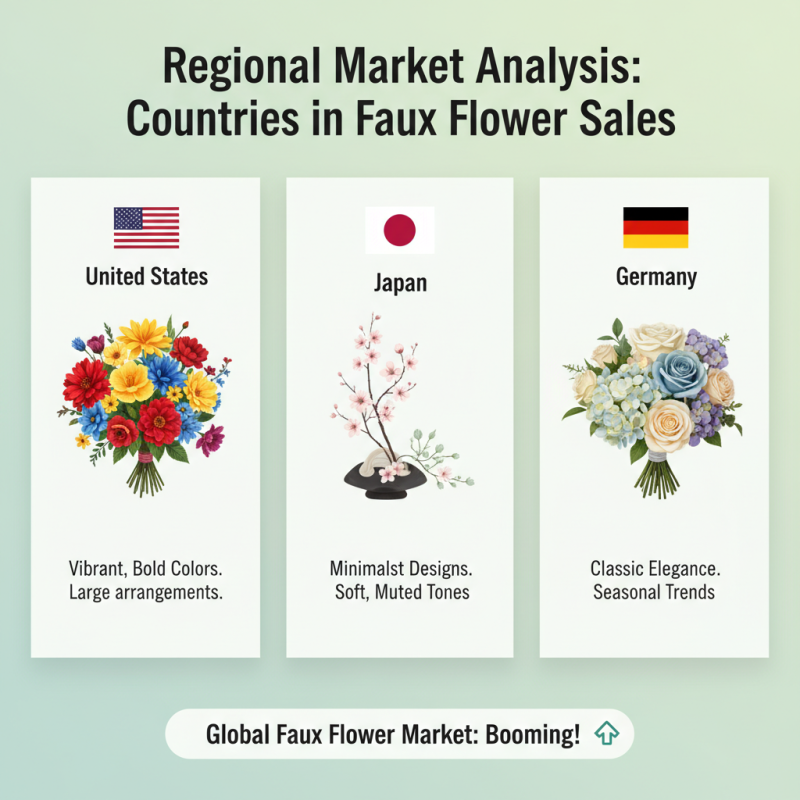
The faux flower market is booming globally. Different regions exhibit unique preferences for styles and materials. Countries like the United States, Japan, and Germany are leading in sales. Their choices reflect cultural aesthetics and seasonal trends. For instance, the U.S. market favors vibrant, bold colors. In contrast, Japan prefers minimalistic designs featuring soft, muted tones.
Tips for choosing faux flowers include considering seasonal trends. Spring often showcases pastel colors, while autumn may bring rich, earthy tones. Pay attention to the materials used. High-quality silk and plastic can mimic natural textures. Consider where you will place them. Indoor spaces may require different styles compared to outdoor displays.
Understanding market dynamics is crucial. Regional differences influence consumer preferences significantly. For buyers, it’s vital to stay updated on these trends. Not all faux flowers are created equal. Some may not withstand sunlight or humidity. Researching materials and reviewing quality can save future disappointments. Adapting your choices according to buyer feedback is essential for success.
Impact of E-commerce on Faux Flower Trends and Global Buyer Behavior
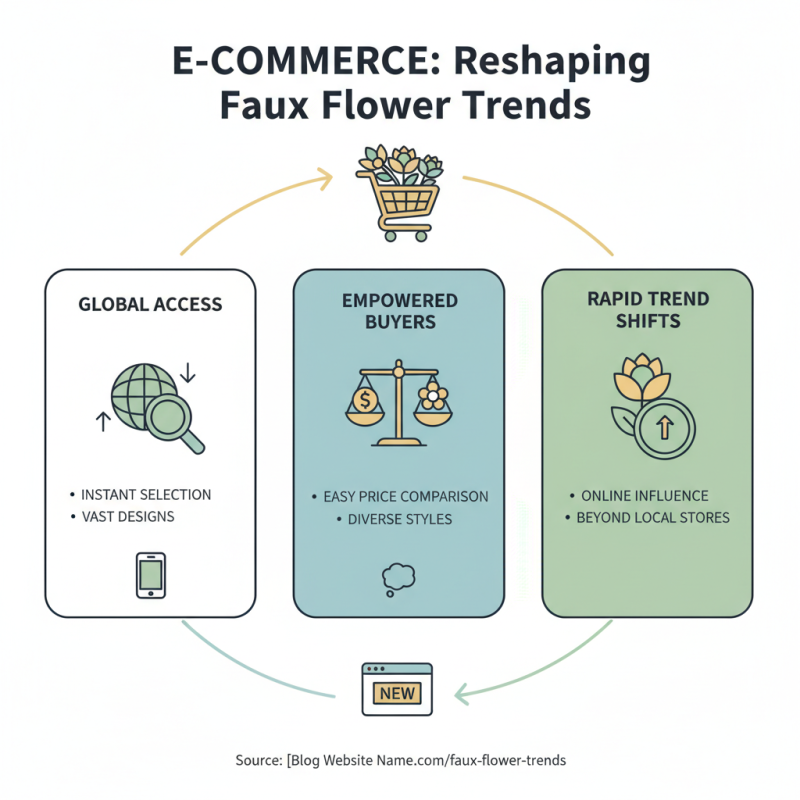
E-commerce is reshaping the faux flower market for global buyers. Online shopping provides instant access to a vast selection of designs. This convenience empowers consumers to compare prices and styles easily. Buyers can explore options that may not be available in local stores. As a result, trends are shifting rapidly, influenced by what appears online.
Tips for buyers: Look for user reviews. They provide insights into quality and appearance. High-resolution images can also give a better idea of texture and color. Connecting with sellers through online platforms helps you gauge reliability. Don't be afraid to ask questions about the products.
Social media plays a crucial role in shaping preferences. Influencers showcase faux flowers in diverse settings. This visibility creates significant consumer interest. However, as trends change swiftly, buyers may face overwhelming choices. Taking time to reflect on personal style is essential to avoid impulse purchases. Ultimately, balancing trends with personal taste will lead to more satisfying selections.