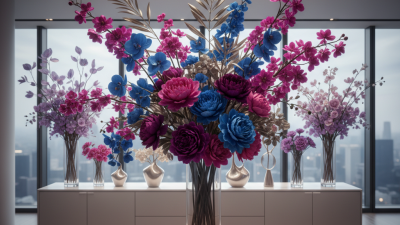
What is Artificial Foliage Plant and How to Use It?
Artificial foliage plants are transforming interior and exterior spaces. These realistic, low-maintenance alternatives to live plants offer beauty without the upkeep. According to Dr. Emily Green, a renowned expert in horticulture, “Artificial foliage plants can enhance mood and creativity in any environment.”
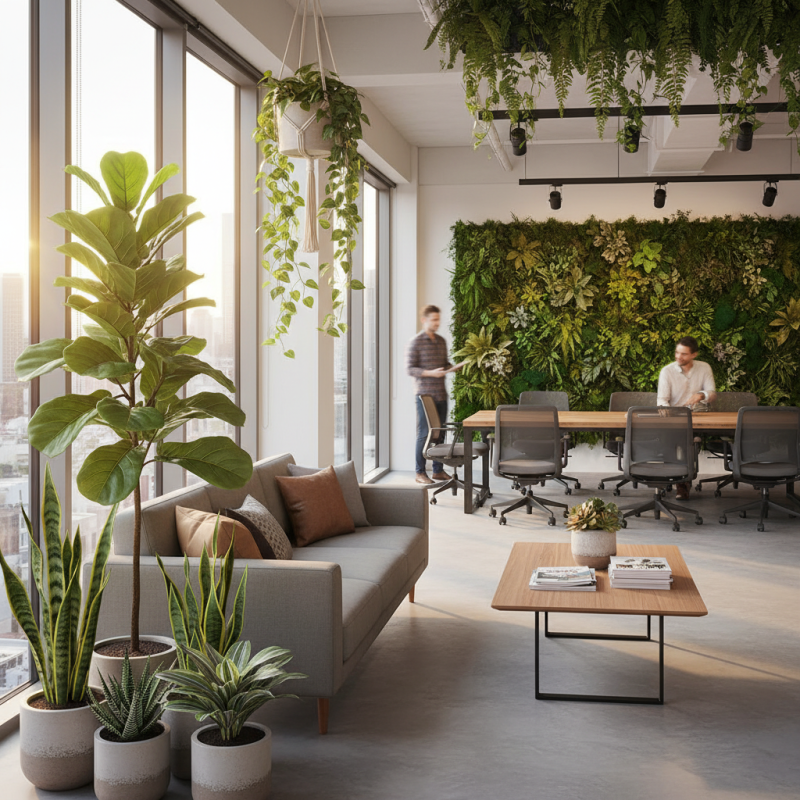
In offices, homes, and public areas, artificial foliage plants add life. They require no watering, sunlight, or special care. However, it is crucial to choose quality materials that closely mimic real plants. Not all artificial foliage plants are created equal. Some may look overly synthetic, losing the intended charm.
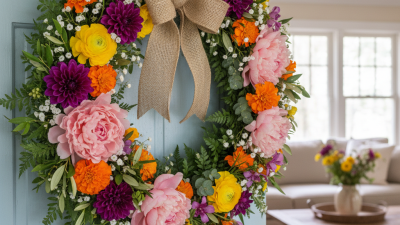
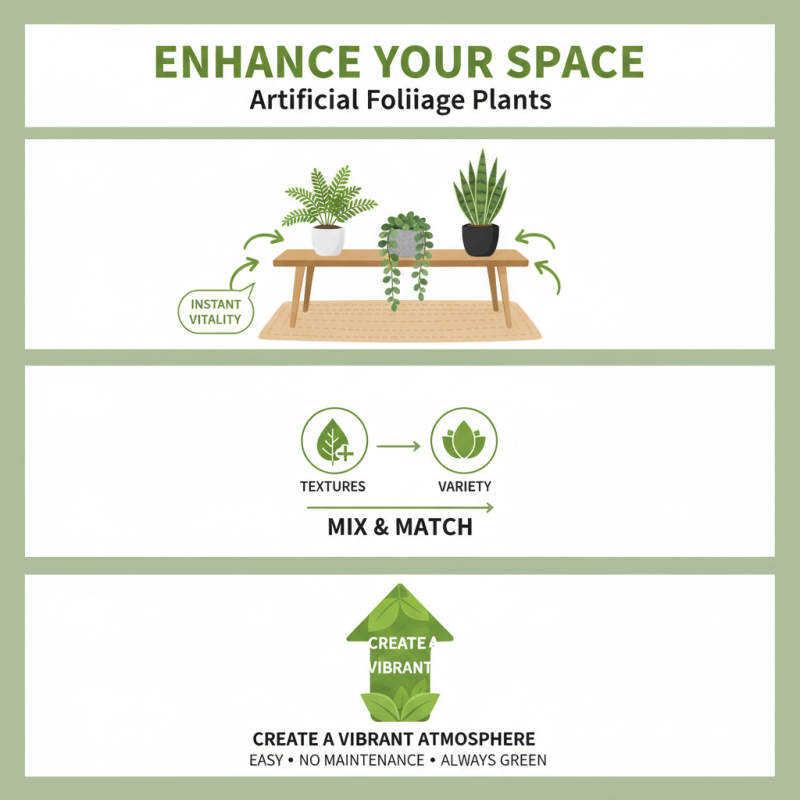
People often overlook the importance of placement. A poorly chosen spot can detract from the aesthetic benefit. Reflecting on the visual balance is essential. Choosing the right size and style improves the overall look. Embracing artificial foliage plants requires thoughtful consideration. While they simplify plant care, a touch of realism should never be sacrificed.
What is Artificial Foliage Plant?
Artificial foliage plants are designed to mimic real plants without the maintenance. They come in various shapes, sizes, and colors. According to a market research report, the artificial plant industry is expected to reach $3 billion by 2025. This growth stems from urban lifestyle changes. More people live in apartments with limited space for natural plants.
Many consumers find artificial foliage appealing for their aesthetic value. They require no watering or sunlight, making them ideal for all environments. However, some people may struggle with the lack of authenticity. The texture and detail of certain artificial plants can be impressive, but they don’t offer the same benefits as live plants.
Air quality improvement and natural beauty are crucial reasons for having plants indoors. Research indicates that real plants can enhance indoor air quality by filtering pollutants. Thus, while artificial foliage serves a decorative purpose, it may not provide similar health advantages. Reflecting on this, one should consider the balance between aesthetics and the benefits of real greenery when decorating their space.
Types of Artificial Foliage Plants Available in the Market
Artificial foliage plants are popular choices for home and office decoration. They offer the beauty of greenery without the care that real plants require. There are various types of artificial foliage plants available that cater to different styles and needs.
One common type is plastic plants, which are lightweight and easy to clean. They come in various designs, from tropical leaves to delicate ferns.
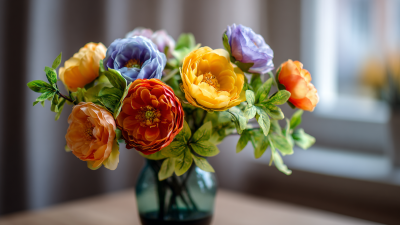
Silk plants, on the other hand, provide a more realistic appearance. Their texture can mimic real leaves, and they often look vibrant and full.
Some people prefer these as they feel more organic in a home setting.
For a more modern look, consider foam or rubber plants. These materials allow for creative designs with unique shapes. They can bring an artistic flair to your space.
There are also mixed-material options, combining different textures for visual interest. It’s important to choose the type that aligns with your aesthetic and maintenance preferences. Each type has its own advantages, but not every option fits every environment perfectly. Keep experimenting to find what works best for you.
Benefits of Using Artificial Foliage Plants in Decor
Artificial foliage plants have become increasingly popular in home and office decor. According to a recent market analysis, the artificial plant market is projected to grow by 7.5% annually, reaching over $3 billion by 2025. These plants are not just for aesthetics; they offer several practical benefits.
One major advantage is low maintenance. Unlike live plants, artificial foliage requires no watering or sunlight. This feature makes them ideal for busy individuals or spaces with poor lighting. Moreover, they do not attract pests, which can often be a concern with real plants. This makes artificial plants suitable for those with allergies or who simply wish to avoid bug infestations.
However, there are drawbacks to consider. Some people may feel that artificial plants lack the authenticity of living flora. Choosing realistic designs is critical. A poorly made artificial plant can stand out for all the wrong reasons. While they can add beauty to a room, one must ensure they fit naturally within the overall design. It's important to evaluate personal preferences and space requirements before making a decision.
Benefits of Using Artificial Foliage Plants in Decor
How to Care for and Maintain Artificial Foliage Plants
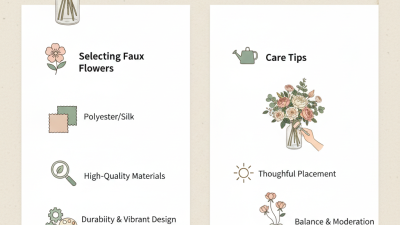
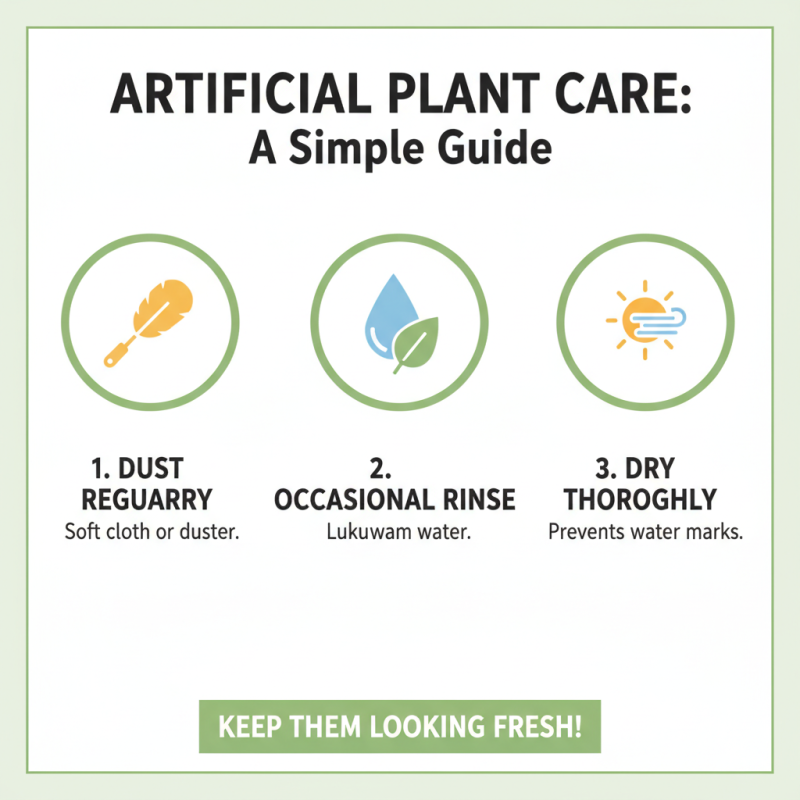
Caring for artificial foliage plants is simple, yet often overlooked. Regular dusting is essential. Use a soft cloth or a feather duster to wipe away debris. This keeps them looking vibrant. Sometimes, a quick rinse in lukewarm water helps remove stubborn dirt. Make sure to dry them properly afterward.
Placement matters too. Avoid direct sunlight to prevent fading. Still, some bright indoor spaces can enhance their appearance. A good location can breathe life into any room, making it feel inviting. However, it’s essential to rotate them occasionally. This ensures even exposure to light and maintains their look.
Keep an eye on your artificial plants. Over time, they may collect dust and grime. This is normal and happens to the best decorations. Check for any signs of wear or fading. Reflections on how you care for these plants may reveal the need for more attention. Sometimes, it’s good to rethink your cleaning methods or elements of style. Embracing imperfections is part of maintaining a beautiful home.