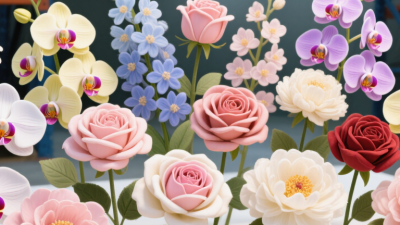
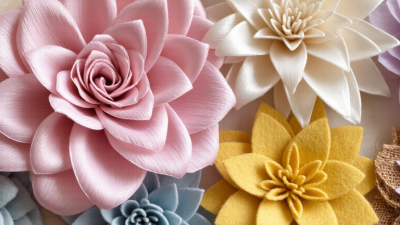
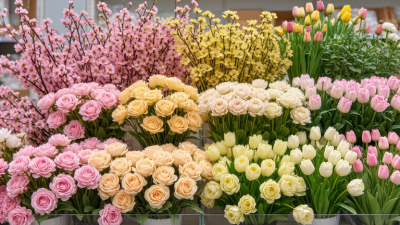
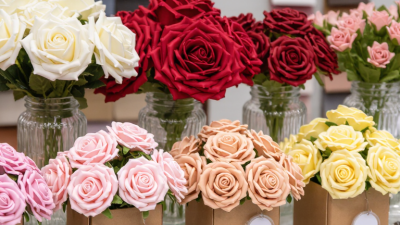
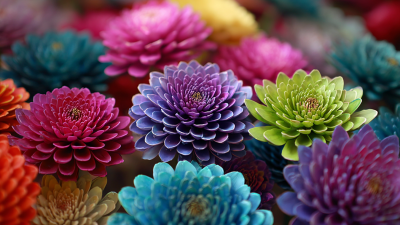
China offers an unusually rich palette of decorative flowers, shaped by regional climates, traditional symbolism, and skilled cultivation. From the delicate peony to the fragrant osmanthus, each flower brings a different visual and cultural character to interiors, events, and hospitality spaces.
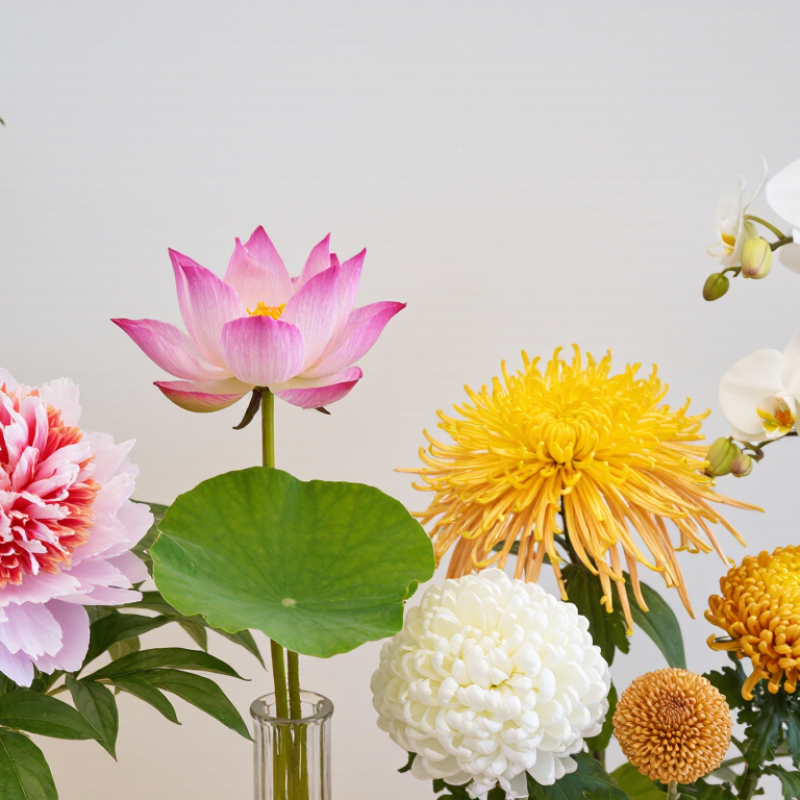
The Chinese peony, especially Paeonia lactiflora, remains a leading choice for luxurious displays. Its layered petals create volume, while shades of pink, red, white, and coral suit both modern and traditional settings. Chrysanthemums provide greater durability and come in remarkable forms, including spider, pompon, and disbud varieties. Orchids, particularly Phalaenopsis, add a clean architectural line. They work well in minimalist rooms and commercial reception areas. Osmanthus offers something different. Its flowers are small, but its fragrance can transform a space.
Luther Burbank, a respected horticulturist, wrote, “Flowers always make people better, happier, and more helpful.” That observation still feels practical today. Decorative Flowers influence mood, not only appearance.
Chinese lotus flowers deserve attention too. Their upright stems and symbolic connection with purity make them memorable centerpieces. However, availability and vase life can vary by season. That matters. Preserved flowers may solve supply problems, yet their texture sometimes appears less natural. I also find it difficult to call one species “the best.” A peony may impress at a wedding, while an orchid performs better in a hotel lobby. The right choice depends on color, scent, maintenance, budget, and display scale. Careful sourcing remains essential, because quality can differ between growers, exporters, and harvest dates.
What Makes Chinese Decorative Flowers Especially Valuable?
Chinese decorative flowers combine visual realism, production depth, and practical customization. According to the China Flower Association’s 2023 industry statistics, China’s wider flower industry reached approximately RMB 216.5 billion in output value. This figure includes live plants and related sectors, not only artificial flowers. Still, it shows the industrial foundation behind Chinese decorative products.
In real sourcing work, buyers often notice the details first. Petal edges feel softer. Stems bend without looking weak. Color gradients appear less flat under warm indoor lighting. Manufacturers can also adjust fabric density, wire strength, packaging, and seasonal colors with unusual flexibility. UN Comtrade data under HS 6702 consistently identifies China as a leading exporter of artificial flowers and foliage. That export scale supports broader material access and faster sampling.
Value is not only about low pricing. It comes from coordinated dyeing, molding, hand-finishing, and quality inspection. A well-made arrangement can reduce replacement costs in hotels, event venues, and retail displays. Documentation still matters. Reliable suppliers should provide material details, production samples, and clear shipment records. Some products look convincing online but fail under close lighting. That remains a weakness. Buyers should test colorfastness, odor, stability, and fire-safety requirements for the destination market. Chinese decorative flowers are valuable because they unite craftsmanship with manufacturing scale, but careful verification remains essential.
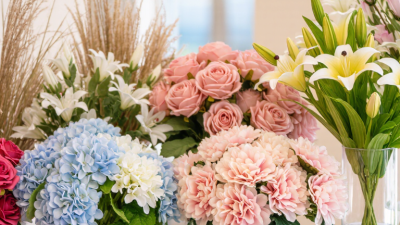
Chinese decorative flowers are especially valuable because they combine visual beauty with long-established cultural symbolism. Peonies are associated with prosperity, plum blossoms with resilience, lotuses with purity, chrysanthemums with longevity, osmanthus with fragrance and refinement, and traditional orchids with elegance. Their varied blooming seasons also make it possible to create decorative displays throughout much of the year.
The chart shows the typical number of months in the main outdoor flowering window for representative Chinese ornamental flowers. Actual timing varies by species, climate, and cultivation conditions.
Traditional Chinese flowers remain popular because they combine beauty, symbolism, and seasonal character. Peonies are admired for their full, layered blooms and associations with prosperity. Plum blossoms bring a brave winter mood, even when arranged with only a few branches. Chrysanthemums suggest endurance and quiet elegance. Orchids offer a refined shape, while lotus flowers create a calm, balanced display.
In my experience, the best decorative choice depends on the room and season. A bright peony arrangement suits a reception area, but its heavy blooms can overwhelm a small table. Slim orchid stems work better beside books, ceramics, or natural wood. Lotus arrangements need visual space around them. Traditional meanings also vary among families and regions, so decoration should respect personal interpretation. I once crowded several symbolic flowers into one vase. It looked impressive, but the arrangement felt confused.
Tips: Choose one main flower and one supporting branch. Use clean water and trim stems at an angle. Keep flowers away from direct sunlight, heaters, and ripening fruit. Replace cloudy water promptly. A simple arrangement often looks more authentic. Freshness matters most.
Chinese decorative flowers can change a room’s mood through color, shape, fragrance, and cultural meaning. Peonies suit wedding tables and elegant entryways because their full blooms create immediate visual richness. Chrysanthemums work well in living rooms, tea spaces, and autumn displays. Their layered petals add structure without demanding too much attention. Plum blossoms bring a quieter, winter-inspired feeling to minimalist interiors. Orchids fit study rooms and reception areas, especially when you want a refined, vertical shape.
Choose flowers according to the setting, not only personal taste. For a small apartment, select slender orchid stems or a single lotus arrangement. Large peony clusters may overwhelm a narrow table. In a restaurant, avoid powerful fragrance near food.
For outdoor decoration, consider wind, temperature, and vase stability. I once crowded a dining table with too many blossoms. It looked impressive, but guests could not see each other clearly. That choice needed more restraint.
Tips: Check the flower’s season, expected lifespan, and care requirements before buying. Ask for the botanical name when identification seems uncertain. Match the vase to the stem height; flowers usually look balanced when the vase supports, rather than hides, them. Test colors under the room’s actual lighting. Warm lamps can make white petals appear yellow. Also, consider children and pets before placing unfamiliar plants indoors. Small details matter.
Chinese flowers look strongest when their cultural character remains visible, not crowded by decoration. A peony needs generous space, while slender orchid stems suit a taller vessel. I usually place three to five main stems at different heights. Odd numbers create movement without looking engineered. Leave one side slightly open. That imperfect gap gives the arrangement breathing room.
A 2024 Grand View Research report estimated the global cut flower market at about 33.75 billion US dollars in 2023, with continued growth expected through 2030. This scale makes careful display more important, especially for imported flowers. Use a clean, narrow-necked vase for chrysanthemums, and a low ceramic bowl for lotus-inspired designs. Trim stems underwater, remove submerged leaves, and change the water every two days. Keep arrangements away from heating vents and direct afternoon sunlight. Cooler rooms slow wilting. My first arrangement used too many peonies. It looked expensive, but not elegant. I now remove one or two blooms before adding foliage. Research and Markets also projects strong expansion in the global fresh flower sector, yet longer display life still depends on basic handling. Inspect petals daily. Replace tired stems early. A simple arrangement often lasts longer than an overloaded one.
Chinese decorative flowers often combine dried plants, silk petals, paper details, and delicate wire stems. Their beauty depends on careful handling. Before placing them, inspect each flower for loose petals, fading, or hidden moisture. Never store damp decorations in a closed box.
Keep dried flowers away from direct sunlight, radiators, kitchens, and bathrooms. Heat makes stems brittle. Humidity encourages mold, especially on layered paper petals. A cool, dry room is safer. Use a shaded shelf with gentle air circulation. Avoid placing flowers against a cold window, where condensation may form.
Dust them every two or three weeks with a soft makeup brush or a cool hairdryer setting. Work from the center outward. Do not spray water or household cleaner onto the petals. Silk flowers may accept careful spot cleaning, but test an unseen area first. For storage, wrap each arrangement loosely in acid-free tissue and use a sturdy box. Avoid pressing the petals flat. I once stored a paper flower too tightly, and its curved edges never recovered. That mistake changed how I pack them. Check stored flowers every few months, even when they appear protected. Colors may fade slowly, and small insects can hide inside dense arrangements. Rotate displays occasionally to reduce uneven fading. Handle stems near their base, not by pulling the blossoms. Some imperfections remain. They often show the material’s handmade character.
| Chinese Decorative Flower | Botanical Name | Main Decorative Form | Typical Fresh Display Life | Best Preservation Method | Care Requirements | Common Problems to Avoid |
|---|---|---|---|---|---|---|
| Chinese Peony 牡丹 / 芍药 | Paeonia suffruticosa for tree peony; Paeonia lactiflora for herbaceous peony | Fresh cut stems Dried petals Garden display | Approximately 5–7 days indoors when cut at the tight-bud stage and kept in clean water. | For fresh stems, recut the bases and place them in water. For longer storage, dry fully opened petals in a dark, well-ventilated area. | Use a clean vase, change the water every 1–2 days, remove submerged leaves, and keep away from direct sun, heaters, and ripening fruit. | Cutting fully open flowers, placing foliage below the waterline, and exposing blooms to heat can shorten their life. |
| Chrysanthemum 菊花 | Chrysanthemum morifolium | Fresh bouquets Dried flowers Tea-grade blossoms | Approximately 10–14 days, and sometimes longer under cool, clean conditions. | Air-dry small bunches upside down in a dark, dry, well-ventilated place. Pressing is suitable for flat craft designs. | Trim the stems, remove lower leaves, use fresh water, and keep the arrangement in bright indirect light rather than full sun. | High humidity can cause dried heads to mold; strong sunlight can fade yellow, white, and purple petals. |
| Lotus 荷花 | Nelumbo nucifera | Fresh flowers Seed pods Dried arrangements | Approximately 3–5 days as a cut flower, depending on freshness and handling. | Display fresh stems in a clean, deep container. Dry seed pods and mature floral parts completely before placing them in an arrangement. | Use cool, clean water, keep the stems supported, and place the flowers in a cool location with indirect light. | Shallow water, crushed stems, excessive handling, and hot indoor conditions can cause rapid wilting. |
| Plum Blossom 梅花 | Prunus mume | Cut branches Dried branches Seasonal displays | Approximately 7–14 days for flowering branches under suitable indoor conditions. | Place branches in water for a fresh display. For a dry arrangement, allow branches to dry naturally in a cool, shaded, ventilated room. | Make a fresh diagonal cut, split or lightly crush the woody base if necessary, and replace the water regularly. | Keeping branches near radiators, fireplaces, or strong sunlight may cause buds to dry before opening. |
| Chinese Orchid 兰花 | Cymbidium ensifolium and related cultivated Chinese orchid species | Potted plant Cut flower spikes Indoor display | Cut flower spikes commonly last about 14–21 days; potted plants can flower for several weeks. | Keep potted orchids in a free-draining orchid medium. For cut spikes, use clean water and a narrow, stable vase. | Provide bright, filtered light, moderate humidity, and good air circulation. Water only when the growing medium is partly dry. | Overwatering, waterlogged roots, intense midday sun, and sudden temperature changes can damage the plant. |
| Sweet Osmanthus 桂花 | Osmanthus fragrans | Potted shrub Fresh sprigs Pressed flowers | Fresh sprigs generally have a short display life of about 2–4 days; the plant itself is longer-lasting. | For long-term decoration, press flowers between absorbent paper or dry them quickly in a low-humidity environment. | Grow in bright light with well-drained soil. For cut sprigs, keep them cool and mist only lightly if the air is very dry. | High humidity, excess water, and prolonged storage in sealed containers can lead to browning or mold. |
| Chinese Rose 月季 | Rosa chinensis | Fresh bouquets Dried petals Garden display | Approximately 5–10 days as a cut flower, depending on the cultivar and harvest stage. | Dry individual petals or small blooms in a single layer away from sunlight. For fresh stems, use a clean vase and recut the stems underwater if possible. | Remove leaves below the waterline, refresh the water every 1–2 days, and keep the bouquet in a cool place with indirect light. | Dirty water, crowded stems, ethylene-producing fruit, and hot drafts can accelerate petal drop. |
| Chinese Hibiscus 扶桑 | Hibiscus rosa-sinensis | Potted plant Single-day display Pressed petals | Individual blooms often last about one day, although a healthy plant can produce flowers repeatedly. | Keep the plant warm and bright. Press freshly opened petals promptly if they are intended for craft or decorative use. | Water when the surface of the soil begins to dry, provide good drainage, and protect the plant from cold drafts. | Cold temperatures, insufficient light, dry root conditions, and overwatering may cause buds to drop. |