China Best Fabric Flowers Manufacturer Wholesale?
Choosing the China best Fabric Flowers manufacturer wholesale requires more than comparing prices. Quality begins with fabric selection, stitching precision, color consistency, and dependable production control. A reliable supplier should provide clear product photographs, physical samples, material details, and realistic delivery schedules.
Small details matter. Petal edges should look clean, not frayed. Centers must remain secure after repeated handling. Colors should stay consistent across large orders. Ask whether the manufacturer supports custom sizes, branded packaging, seasonal designs, and low-volume testing. These questions reveal practical experience.
William Morris, the influential textile designer, famously wrote, “Have nothing in your houses that you do not know to be useful, or believe to be beautiful.” His principle remains relevant to Fabric Flowers today. Decorative value must meet functional expectations.
China offers extensive manufacturing capacity, but every factory is different. Some suppliers excel at handmade silk flowers. Others specialize in polyester roses, wedding arrangements, hair accessories, or retail-ready sets. The best choice depends on your market, budget, quantity, and required finish.
Do not trust polished catalogs alone. Request a sample order. Inspect the fabric under natural light. Test the stems, glue points, and packaging strength. A beautiful sample may not represent mass production. That uncomfortable possibility deserves attention.
Wholesale buyers should also confirm minimum order quantities, inspection procedures, export documentation, and response times. Strong communication often separates a dependable partner from a temporary vendor. The cheapest quotation may become expensive after defects, delays, or rework.
This guide examines how to identify capable Fabric Flowers manufacturers in China. It also considers quality standards, customization, pricing, and supplier verification. Some recommendations may seem obvious. They are still frequently overlooked.
What Are Fabric Flowers and Why Source Them Wholesale from China?
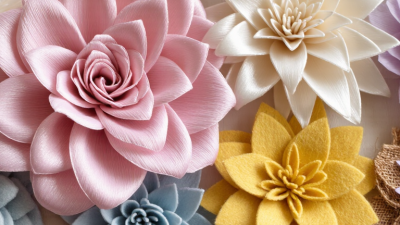
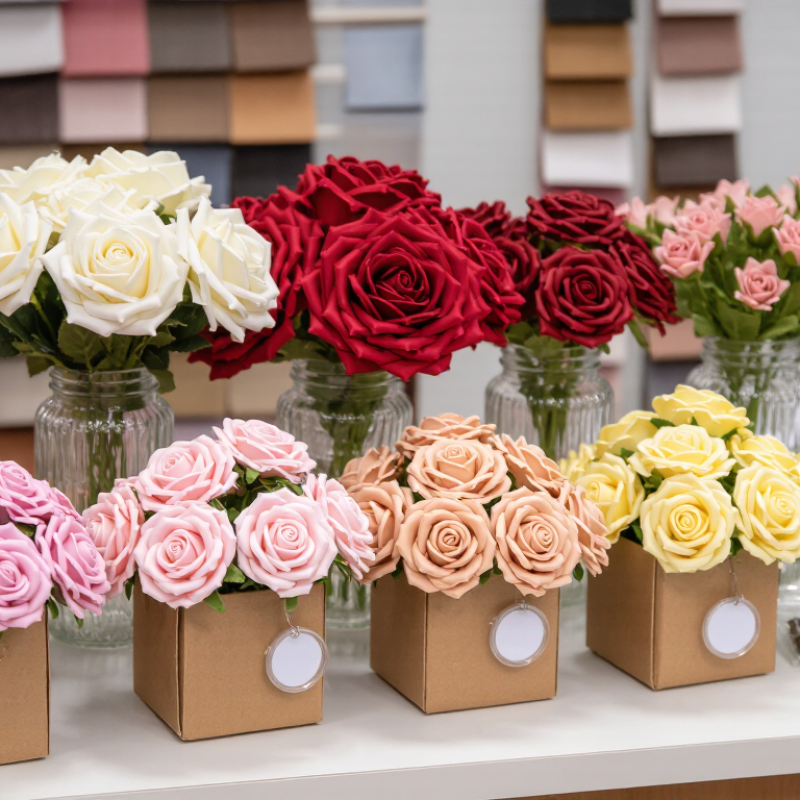
Fabric flowers are decorative blooms made from materials such as polyester, cotton, silk, or blended textiles. Manufacturers cut, shape, fold, and assemble these materials into petals, leaves, and stems. Some designs use heat shaping, while others rely on hand stitching or careful glue work. The result is a reusable floral accent for weddings, home décor, fashion accessories, gift packaging, and seasonal displays.
Sourcing wholesale from China can provide broad design choices and flexible production capacity. Many factories offer custom colors, petal sizes, packaging, and private-label options without naming brands. Buyers can compare several material samples before placing a larger order. Ask for fabric composition, colorfastness details, flower dimensions, packing methods, and minimum order quantities. A reliable supplier should explain production steps clearly and provide consistent communication.
Quality inspection still matters. A sample may look attractive but feel too stiff in bulk production. I have found that checking petal edges, loose threads, odor, and stem strength prevents avoidable problems. Request pre-production samples and photos of packed cartons. Also confirm shipping terms, lead times, and applicable product documentation. China wholesale sourcing is not automatically the cheapest choice; inconsistent specifications can create hidden costs. That lesson is easy to overlook. Careful measurements and written approval usually protect both quality and budget.
China Best Fabric Flowers Manufacturer Wholesale?
What Are Fabric Flowers and Why Source Them Wholesale from China?
Polyester and cotton account for the largest shares of global fiber production, making them widely available materials for fabric flowers, decorative petals, artificial bouquets, and craft accessories. China’s extensive textile supply base supports flexible material selection and large-scale wholesale sourcing.
Data source: Textile Exchange, Materials Market Report 2024. Global fiber production share, 2023.
How to Identify the Best Fabric Flower Manufacturer in China
China Best Fabric Flowers Manufacturer Wholesale?
How to Identify the Best Fabric Flower Manufacturer in China
A reliable fabric flower manufacturer should provide clear samples before discussing large wholesale orders. Inspect the petal edges, stitching, wire stems, and adhesive marks closely. Loose threads often reveal rushed production. Rub a colored petal with a damp white cloth. Dye transfer may indicate weak colorfastness.
Ask how the factory controls fabric cutting, shaping, assembly, and final inspection. Experienced manufacturers can explain their process without vague promises. Request material specifications, production photos, quality records, and a realistic lead time. Confirm the minimum order quantity, packaging method, replacement policy, and payment terms in writing. A factory that answers consistently is easier to trust.
Visit the workshop when possible, either physically or through a live video call. Check whether workers use organized stations and whether finished flowers are protected from dust. Compare a pre-production sample with random pieces from the completed order. Small differences in petal size or color can appear during mass production. This happened in one sourcing review, even though the first sample looked excellent. The lesson is uncomfortable but useful: never rely on photographs alone. Allow reasonable tolerances, yet define them before production starts. Ask difficult questions. Good suppliers should welcome careful verification rather than avoid it.
What Types of Fabric Flowers Can Chinese Suppliers Produce?
Chinese fabric flower suppliers can produce far more than basic polyester roses.
Common options include satin peonies, organza hydrangeas, velvet dahlias, cotton daisies, and layered chiffon blossoms. Each material creates a different visual effect.
Satin gives sharp highlights. Velvet feels soft and dense. Organza adds transparent edges and gentle volume.
In factory sampling, buyers often compare petals under daylight before choosing a color. This simple step prevents many disappointing orders.
Suppliers can make single stems, flower heads, brooch flowers, hair accessories, wreath components, and decorative garlands.
They also produce custom sizes, from tiny 2-centimeter buds to large stage flowers over 40 centimeters wide. Petal edges may be laser-cut, heat-shaped, stitched, or finished by hand.
Some workshops combine two fabrics in one bloom. For example, a cotton center can sit inside layered tulle petals. The result looks less uniform, but often more natural.
Experienced manufacturers usually discuss fabric weight, colorfastness, wire strength, and packing compression before production.
Reliable teams send samples and inspect petal alignment, loose threads, stains, and stem coating. Still, handmade does not always mean perfect. A small fold may appear after shipping. That needs honest inspection.
Buyers should request measurements, close photos, and a pre-production sample.
Clear specifications help Chinese suppliers match wedding décor, apparel trims, retail crafts, and seasonal displays with fewer surprises.
How Does the Wholesale Ordering Process Work?
Wholesale ordering fabric flowers works best as a staged process, not a quick price request. Buyers usually send flower photos, colors, dimensions, fabric preferences, quantity, packaging needs, and delivery terms. The manufacturer then confirms the minimum order quantity, sample fee, production schedule, and quotation. A physical sample should be approved before bulk production. Pictures can hide uneven petals, loose threads, or weak stems.
The global artificial flowers market is projected to expand steadily, according to a 2024 market report from Grand View Research. Material choices also deserve attention. Textile Exchange reported global fiber production reached about 124 million tonnes in 2023, increasing pressure for clearer material sourcing. Ask whether polyester, cotton, or blended fabric has consistent specifications. Request a pre-production sample, color card, carton dimensions, and a written inspection standard. Small details matter.
Tips:
Compare quotes by total landed cost, not unit price. Confirm the MOQ and sample timeline in writing. Ask for random carton photos before shipment. Leave time for corrections. Rushing is expensive. A lower quote may conceal thinner fabric or higher defect rates. The process is not perfectly predictable; seasonal demand, dye-lot differences, and packaging damage can still affect results. Good suppliers explain these risks instead of promising everything will be flawless.
How to Compare Quality, Pricing, Customization, and Delivery Terms
China Best Fabric Flowers Manufacturer Wholesale?
How to Compare Quality, Pricing, Customization, and Delivery Terms
Choosing the best fabric flower manufacturer requires more than comparing catalog photos. Request physical samples with clear close-ups of petals, stems, stitching, and color consistency. Rub the petals gently and check whether edges fray or lose shape. Ask about fabric composition, dye stability, and cleaning instructions. A reliable supplier should explain these details without vague answers.
Pricing needs careful comparison. Ask for a complete quotation covering materials, labor, packaging, sample fees, tooling, and shipping terms. A very low price may indicate thinner fabric or weaker internal wire. Compare identical specifications, not just unit prices. Also check minimum order quantities and payment stages. Small cost differences become significant across thousands of pieces. I have seen attractive quotes change after customization was confirmed.
Customization should be tested through one approved sample. Confirm flower size, color references, stem length, logo tags, packing method, and acceptable tolerance. Delivery terms should state sample time, production time, inspection timing, and responsibility for delays. Request photos during production and a final inspection report before shipment. Leave buffer time for seasonal demand. My own comparison process is not flawless; I once focused too heavily on unit cost and underestimated packaging volume. That mistake affected freight planning. A dependable manufacturer welcomes questions, records revisions, and provides consistent answers from sampling through delivery.
China Best Fabric Flowers Manufacturer Wholesale? - How to Compare Quality, Pricing, Customization, and Delivery Terms
Typical wholesale benchmarks for fabric flower suppliers in China. Actual quotations vary by material, flower size, order quantity, packaging, and shipping destination.
| Supplier Profile |
Typical Materials |
Wholesale Price Range
(USD / piece) |
Minimum Order
(pieces / design) |
Customization Capability |
Typical Sample Time |
Typical Production Time |
Quality Indicators to Check |
Best Suitable For |
| Ready-Stock Basic |
Polyester fabric, satin, basic cotton blends |
$0.08–$0.35 |
100–500 |
Color selection and simple stem or clip changes |
3–7 days |
7–15 days |
Consistent color, secure petals, clean edges, no loose threads |
Budget décor, craft stores, seasonal projects |
| Standard OEM |
Polyester, organza, rayon, blended textiles |
$0.18–$0.80 |
500–2,000 |
Custom color, diameter, petal layers, backing, and packaging |
5–10 days |
15–25 days |
Approved sample, color reference, dimensional tolerance, pull strength |
Retailers, wholesalers, garment and accessory production |
| Premium Handmade |
Silk, high-density satin, velvet, linen, premium cotton |
$0.80–$3.50 |
100–500 |
Detailed shaping, hand dyeing, layered petals, wired stems, special finishes |
7–14 days |
20–35 days |
Natural texture, symmetrical construction, colorfastness, reinforced centers |
Bridal accessories, premium fashion, luxury event décor |
| Large Event Décor |
Polyester, polyester foam, felt, nonwoven fabric |
$1.50–$12.00 |
50–300 |
Oversized dimensions, modular panels, backings, mounting systems, custom colors |
7–15 days |
25–45 days |
Structural stability, fire-retardant documentation when required, packing protection |
Weddings, exhibitions, hotels, retail window displays |
| Eco-Focused Production |
Organic cotton, recycled polyester, linen, jute, paper-based textiles |
$0.35–$2.80 |
500–3,000 |
Material selection, recycled-content requirements, low-plastic packaging, custom labels |
7–14 days |
25–40 days |
Fiber composition records, recycled-content evidence, restricted-substance testing |
Sustainable collections and environmentally conscious retailers |
| Private-Label Program |
Customer-selected fabric and accessory combinations |
$0.25–$4.50 |
1,000–5,000 |
Full design development, branded packaging, inserts, barcodes, and color standards |
10–20 days |
30–60 days |
Pre-production approval, inspection reports, packaging accuracy, traceability |
Established retailers and long-term collection programs |
Key Comparison Checklist
| Comparison Dimension |
Recommended Requirement |
Evidence to Request |
| Quality |
Use a signed sample and approved color standard before mass production. |
Pre-production sample, inspection checklist, photos, and defect tolerance. |
| Pricing |
Compare the same material, size, quantity, packaging, and shipping term. |
Itemized quotation showing tooling, sampling, packaging, and freight separately. |
| Customization |
Confirm design ownership, revision limits, tooling charges, and minimum order quantities. |
Technical drawing, material swatches, color references, and written approval procedure. |
| Delivery |
Set separate deadlines for sampling, production, inspection, and dispatch. |
Production schedule, carton dimensions, packing list, and agreed shipping Incoterm. |
| Compliance |
Match testing requirements to the destination market and product use. |
Material composition, restricted-substance test reports, and fire-safety documents where applicable. |