Silk flowers now serve far more than wedding tables. Retailers, hotels, event planners, and home décor brands use them for repeatable color, low-maintenance displays, and seasonal collections. The name can be misleading: many “silk” flowers are made from polyester or other synthetic fabrics. Buyers should confirm materials, construction, and care instructions before comparing prices.
Grand View Research’s Artificial Flowers Market report estimated the global market at about USD 1.6 billion in 2023 and projected continued growth through 2030. This is useful context, not a guarantee of demand for every supplier or product category. The report covers artificial flowers broadly, so it does not isolate silk-style imports. Still, it points to a substantial market where product consistency matters. A rose that looks convincing in a sample may vary in color or shape across a full carton.
For global buyers, choosing a Silk Flower Import supplier means checking more than a polished catalogue. Ask for clear specifications, current product photographs, sample availability, packaging details, and realistic production timelines. Check how the supplier handles color matching and quality complaints. Small details matter. A bent stem or faded petal can change the look of an entire display. This guide compares ten suppliers and highlights practical questions buyers can use during evaluation. No supplier is perfect; product fit, communication, and dependable order handling deserve careful review.
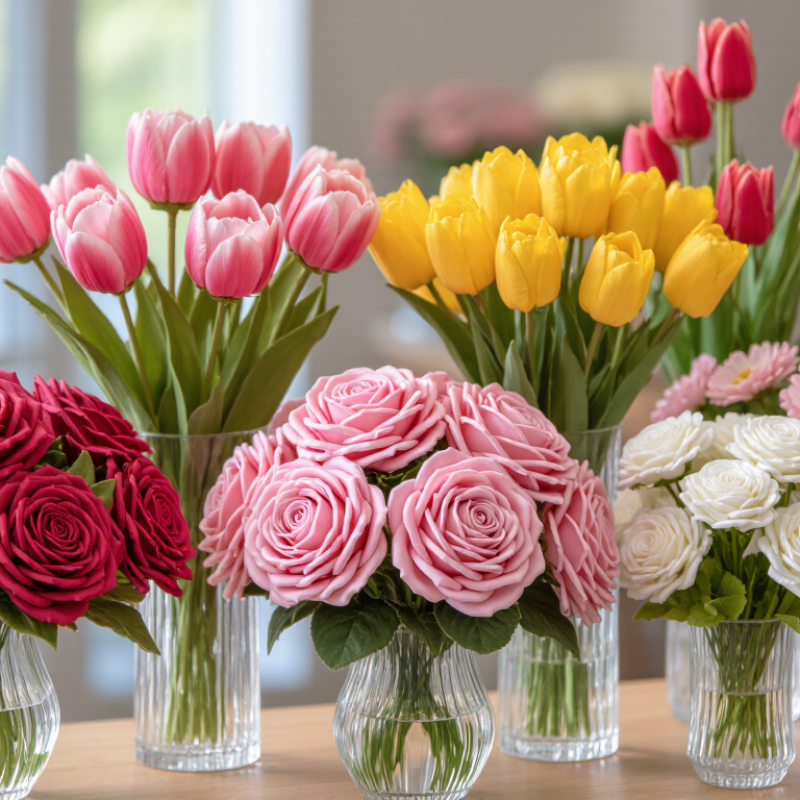
The global silk flower supply market is part of a broader artificial plants and flowers industry. Grand View Research estimated that industry at about US$1.3 billion in 2023 and projected growth through 2030. The category includes more than silk flowers, so buyers should treat it as market context, not a precise measure of silk-flower demand. Still, it points to steady interest in durable décor for homes, events, and commercial spaces.
Supply decisions often come down to details you can inspect. Ask for close-up photos of petal edges, stem joints, and color consistency across a batch. A sample can reveal whether leaves feel stiff or colors look different under warm lighting. Small differences matter. UN Comtrade tracks artificial flowers and foliage under a broader trade category, rather than isolating silk flowers. That makes country-level trade figures useful but imperfect. Freight costs, packaging, and seasonal lead times can also shift the real landed price. I would compare those figures with supplier samples and written specifications; relying on headline market growth alone feels too optimistic.
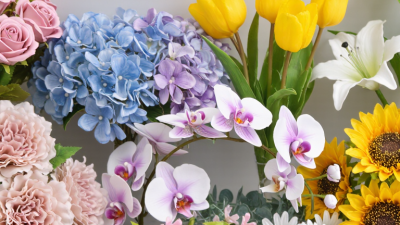
A dependable silk flower supplier should be assessed on more than catalog photos. Request close-up images of petal edges, stem joints, and color variation across production batches. Ask for material specifications, sample lead times, minimum order quantities, and written defect policies. These details help buyers compare suppliers using the same standards. In its 2023 Logistics Performance Index, the World Bank assessed 139 economies across six areas, including customs, logistics services, and shipment timeliness. Use these factors when checking a supplier’s export readiness, not as a substitute for product testing.
For larger orders, request a pre-shipment inspection plan and clear packaging details, including carton dimensions and units per box. Ask how the supplier handles seasonal capacity changes and repeat orders. Review recent shipment references where available, and confirm that promised production dates match your selling calendar. A polished sample is useful, but it may not represent every batch; buyers should leave room for that uncertainty.
Profiles of 10 Silk Flower Import Suppliers for Global Buyers
Silk flower suppliers differ in scale, materials, and service. A factory-direct importer may offer custom colors and larger production runs, while a wholesale distributor can provide ready-to-ship stems in smaller quantities. Regional importers often understand local packaging preferences. Boutique specialists may focus on realistic roses, orchids, or seasonal arrangements. Some suppliers serve event planners with coordinated colors and quick replenishment. Others cater to retailers seeking broad catalogs and mixed cartons. There is no single best fit.
Additional profiles include online wholesalers with searchable catalogs, sourcing agents who compare several factories, and importers specializing in premium foliage or lifelike textures. A mixed-product supplier may bundle flowers with vases and decorative picks, which can simplify purchasing. Yet a broad catalog does not guarantee consistent quality. Ask how samples are selected and whether bulk goods match them. Small details matter: petal edges, wire stiffness, color shifts under warm lighting, and secure stem wrapping.
Tips: Request samples from shortlisted suppliers and compare them in daylight. Confirm minimum order quantities, carton dimensions, lead times, and replacement terms in writing. Ask for close-up photos of finished items, not only catalog images. For larger orders, test a small batch first. It costs time. Still, skipping that step can leave you with flowers that look convincing online but feel stiff in person.
A practical checklist for comparing supplier profiles
The bars show the number of suggested checks in each due-diligence category—not supplier ratings or market statistics. Use these criteria to compare documented capabilities, request evidence, and assess suitability for your order.
When comparing silk flower import suppliers, look beyond the unit price. Ask for close-up photos of petals, stem wires, color samples, and carton dimensions. A low quote can hide thin fabric, uneven dye, or fewer stems per box. Request a sample before ordering. It may feel slow, but it can expose quality differences early.
Pricing should be compared on the same terms: product cost, minimum order, packaging, freight, and payment schedule. For shipping, ask for both air and sea estimates, plus the quoted delivery window and which charges are excluded. UNCTAD’s Review of Maritime Transport 2024 reported that spot container rates from Shanghai to Europe roughly tripled between December 2023 and June 2024. That volatility matters for bulky, lightweight artificial flowers, where carton space can drive freight costs. A cheaper supplier may not be cheaper after shipping.
Check how suppliers handle color consistency and replacement claims, and ask for a written packing list. The World Bank’s Logistics Performance Index assesses customs, infrastructure, tracking, and timeliness—useful criteria when weighing delivery promises. Still, a strong logistics score cannot guarantee careful packing. Compare quotes line by line, and leave room for a less-than-perfect shipment.
Choosing a silk flower import supplier starts with a clear product brief. Specify stem length, fabric type, color tolerance, packing method, and expected order volume. Ask for recent production photos and physical samples; screen images can hide uneven petals or shiny, low-grade fabric. Compare sample details with the quotation, including carton dimensions and replacement terms. A low unit price may cost more if flowers arrive crushed or require extensive reshaping.
Verify the supplier’s experience with export packaging and repeat orders. Request references from buyers in similar markets, then ask how the supplier handles defects, delays, and seasonal capacity changes. Check business credentials and confirm that the quoted company matches the entity on invoices and shipping documents. Use a small trial order before committing to a large shipment. It is not foolproof. One sample may not reflect every production batch, so agree on an acceptable color range and inspection method in writing.
Tips
Send a marked-up sample photo with measurements and color notes. Keep one approved sample for comparison, and record any changes by email. Ask for photographs of packed cartons before dispatch. If answers are vague or specifications keep shifting, pause and clarify; a rushed decision can be difficult to undo.