How to Choose the Best Fake Tree for Your Space?
In today’s world, integrating nature into our living spaces is more important than ever. A recent study shows that surrounding ourselves with greenery can reduce stress and improve overall well-being. However, not everyone has the time or ability to care for real plants. This is where the rise of the “Fake Tree” comes into play. The demand for high-quality artificial trees has surged in the last decade, with the market projected to reach $1.8 billion by 2025.
Choosing the best fake tree involves understanding your space, needs, and design aesthetic. Many options exist, from lifelike palm trees to elegant bonsais. But not all fake trees are created equal. Some may look great but lack quality, while others may feel plasticky. Researching the materials used in construction can reveal which trees stand the test of time.
Ultimately, a fake tree can enhance your space dramatically if chosen wisely. It is an investment in both aesthetics and emotional comfort. Take the time to reflect on what you truly value in a faux plant. Don't settle for the first option you find. A little effort in selection can lead to a significant improvement in your environment.
Understanding the Different Types of Fake Trees Available
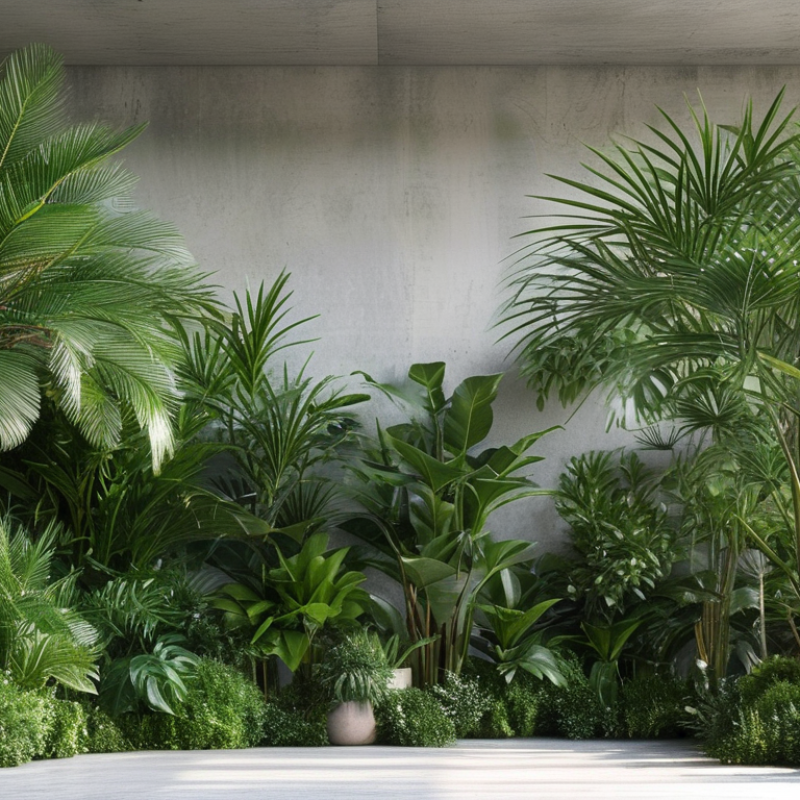
When choosing a fake tree, understanding the types available is crucial. Artificial trees come in various materials, sizes, and designs. The most common materials are plastic, silk, and polyester. Each type offers distinct benefits and drawbacks. For instance, plastic trees are often more durable but may look less realistic. Silk trees tend to have a more natural appearance, yet they can be delicate.
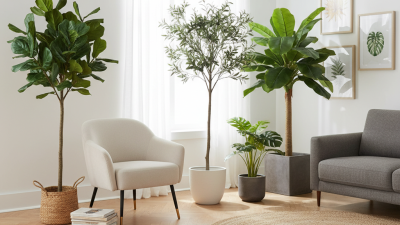
According to a report from a leading home decor research firm, the demand for high-quality artificial plants has increased by 35% in the last five years. Consumers seek designs that closely mimic real flora. They favor trees like ficus, rubber, and palm. Each type serves different aesthetic needs. A ficus tree, for example, can fit well in modern decor, while a palm tree may evoke a tropical feel.
Not all fake trees are created equal. Some may fade over time or require occasional fluffing. The quality varies widely. When selecting a fake tree, consider the maintenance level you’re willing to invest. The right choice will enhance your space but might not be perfect. It’s essential to weigh aesthetics against practicality. Choose wisely to complement your environment.
Types of Fake Trees and Their Popularity
Assessing Your Space: Size, Style, and Color Considerations
Assessing your space is crucial when choosing a fake tree. Size is the first factor to consider. According to a recent industry report, 70% of homeowners underestimate space dimensions when decorating. A tree that's too tall can overwhelm a room. Conversely, a small tree may appear lost in a spacious area. Measure height, width, and depth. Visualize how the tree will fit within your existing layout.
Style is another important consideration. Your fake tree should harmonize with your decor. Whether you have a minimalist, rustic, or modern aesthetic, the tree's design affects the overall vibe of your space. The American Society of Interior Designers emphasizes matching your tree's style to your room's theme for visual cohesion.
Color plays a significant role too. Industry insights reveal that bright, vibrant colors in faux trees can energize a space. In contrast, muted tones often promote calmness. Evaluate your color palette before making a choice. Remember that the wrong color can clash with your interior design. Reflect on how you want the tree to interact with your existing decor. These factors can guide you in your search for the perfect fake tree.
Evaluating Material Quality and Realism in Fake Trees
When selecting a fake tree for your space, material quality plays a crucial role. Look for trees made of high-quality materials like silk or plastic that mimic real leaves. They should feel realistic to the touch. The weight of the tree can also indicate quality; heavier trees often signal sturdier structures.
Realism is about more than just the outer appearance. Examine the details; veins in the leaves and textured trunks add authenticity. Some fake trees may have overly shiny leaves, giving them a plastic look, which can be a flaw. Consider how the tree's structure allows for natural movement. A well-designed fake tree might sway slightly with air currents, enhancing its realism.
Lighting can significantly impact how fake trees appear in your space. Under bright lights, colors may appear too vibrant or artificial. In dim conditions, certain textures can become ambiguous. Pay attention to both the tree's placement and the surrounding decor. This enhances the overall effect and can bridge the gap between imitation and reality. Reflect on how the tree fits within your environment.
Placement Tips for Highlighting Your Fake Tree Effectively
When placing a fake tree, consider the room's natural light and flooring. Ideally, a tree should enhance its surroundings. If the floor is dark, a lighter tree can create contrast. In a sunlit area, choose leaves that mimic the vibrant greens of nature. It’s about balance and cohesion.
Positioning is crucial. Lean a tall tree against a wall to save space. You might favor a corner spot, allowing it to be a tranquil focal point. For smaller trees, consider a side table or shelf. They can brighten up spaces without overwhelming them.
Don't forget to accessorize. Surround the tree with decor that complements its colors. A simple throw blanket or a few books can add warmth. Reflect on the overall theme of your space. Sometimes, less is more. Be willing to adjust placement until it feels just right. This process helps in achieving a harmonious ambiance.
How to Choose the Best Fake Tree for Your Space? - Placement Tips for Highlighting Your Fake Tree Effectively
| Tree Type |
Ideal Placement |
Height |
Light Requirements |
Maintenance Level |
| Fiddle Leaf Fig |
Living Room or Office |
5 to 6 ft |
Bright, Indirect Light |
Low |
| Potted Palm Tree |
Corner Spaces |
4 to 5 ft |
Low to Bright Light |
Low |
| Rubber Tree |
Near Windows |
6 to 7 ft |
Medium to Bright Light |
Medium |
| Olive Tree |
Dining Area or Kitchen |
3 to 5 ft |
Bright Light |
Low |
| Bamboo Plant |
Wide Hallways |
5 to 6 ft |
Low to Medium Light |
Very Low |
Maintaining Your Fake Tree for Longevity and Appearance
Caring for your fake tree is essential for maintaining its charm and realism. Keep it dust-free by gently wiping the leaves with a damp cloth. This simple task can enhance its appearance significantly. Regular cleaning prevents the accumulation of dirt, which can dull the colors. Remember, a little effort goes a long way.
Watering your fake tree isn't necessary, but you can refresh its look by misting it lightly. This mimics outdoor humidity, helping it maintain a lifelike sheen. Be cautious not to overdo it; excess moisture can lead to mold formation on the base. If you notice any signs of wear, replace damaged leaves or branches to keep it vibrant. The goal is to make it look as fresh as possible.
Placement also affects longevity. Avoid direct sunlight; it can cause colors to fade over time. Rotate your tree occasionally to ensure even exposure to light. While artificial, these trees can still show signs of aging. Regular maintenance keeps your space inviting and lively. A well-cared-for fake tree can transform any area.