How to Choose the Best Artificial Floral Plants for Your Space?
Artificial Floral Plants can transform any space, adding a touch of nature and beauty. Choosing the right ones, however, can be challenging. It requires a deep understanding of your environment and preferences.
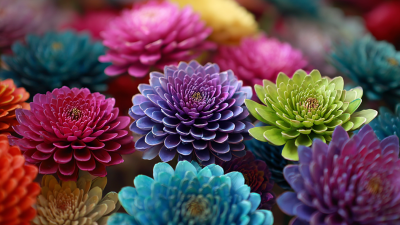
Consider factors like lighting, color schemes, and the purpose of the space. Different plants suit different settings. For example, vibrant flowers may brighten a living room. In contrast, subtle greens can calm a workspace. Don't overlook the textures and shapes of the plants. They contribute significantly to the overall aesthetic.
Installation and maintenance also matter. Artificial Floral Plants are low-maintenance but can still require occasional dusting. Ensure they fit seamlessly into your design. Reflect on your choices to avoid a cluttered look. Selecting the perfect artificial plants can be rewarding, leading to a harmonious space you'll enjoy.
Understanding the Different Types of Artificial Floral Plants
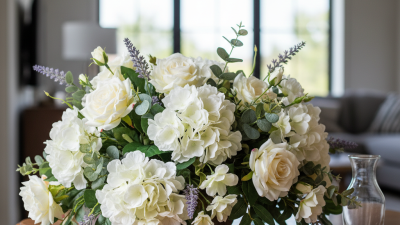
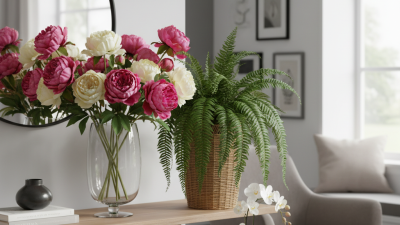
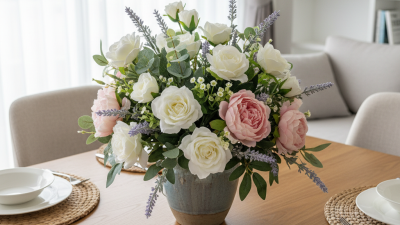
When choosing artificial floral plants, it’s essential to recognize the various types available. From faux flowers to silk plants, each type offers unique features. Silk flowers are soft and lifelike, making them ideal for close-ups. They are perfect for arrangements in living rooms or dining areas. Plastic plants, on the other hand, are durable and easy to clean, perfect for outdoor settings or high-traffic areas.
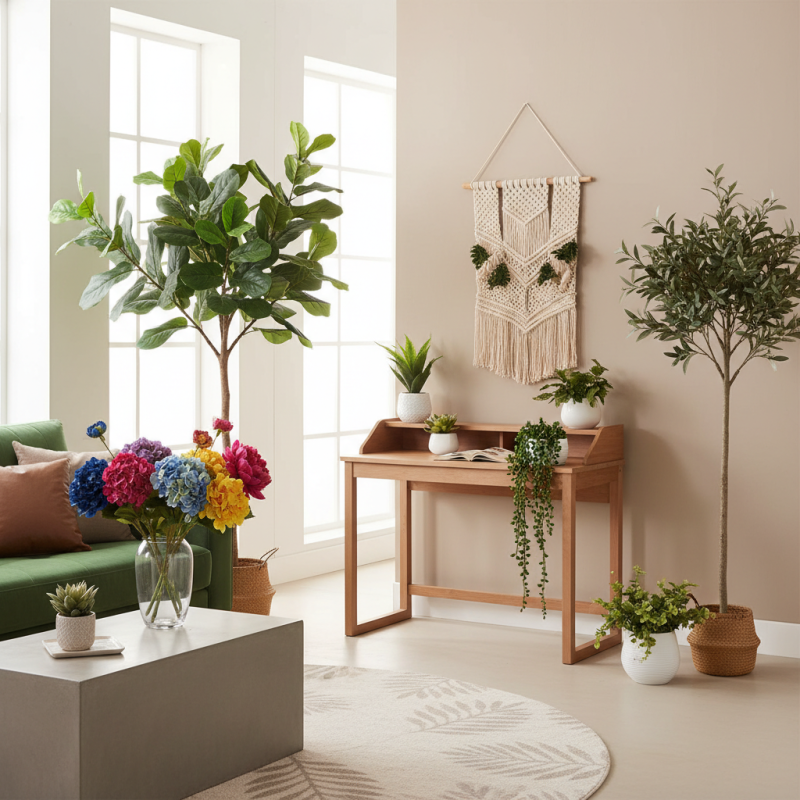
Tips: Consider the placement of your artificial plants. A large faux tree can make a statement in an empty corner. Smaller arrangements work well on shelves or tables.
Another aspect to consider is maintenance. While artificial plants require less care than real ones, dust still accumulates. Regular cleaning helps maintain their appearance. Opt for UV-resistant materials if the plants will be exposed to sunlight. This keeps colors vibrant and prolongs their lifespans.
Tips: Look for varieties that have adjustable branches. This allows you to customize their shape. Always check reviews or expert opinions before making a selection. Even small imperfections can add a touch of realism, but finding the right balance can be tricky.
Understanding the Popularity of Different Types of Artificial Floral Plants
Assessing Your Space and Decor Style for Optimal Selection
When selecting artificial floral plants, it’s vital to assess your space and decor style. Understanding your surroundings will guide you to the best choices. A recent report by the National Gardening Association shows that 75% of homeowners value aesthetics in decor. This means your artificial plants should harmonize with colors and textures in your space.
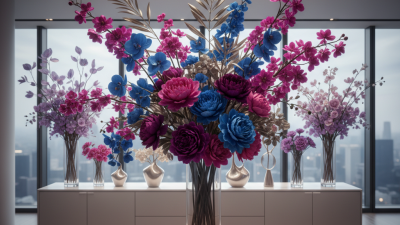
Consider the scale of your area. A large, open room may benefit from oversized arrangements that catch the eye. However, in cozy spaces, small plants can enhance warmth without overwhelming the area. Additionally, the positioning of your plants plays a crucial role in their impact. For example, placing vibrant blooms near natural light can elevate the overall ambiance.
Your decor style influences the types of artificial plants you choose. For modern spaces, sleek, minimalist designs often work best. A classic or vintage theme may require more traditional floral arrangements. According to a recent survey, 65% of interior designers recommend selecting plants that complement existing furniture. This implies that thoughtful integration is essential. The right choices can create a cohesive look, but be mindful: over-decorating can lead to a cluttered appearance. Reflect on what you truly want to convey in your space.
Choosing the Right Size and Scale of Artificial Plants
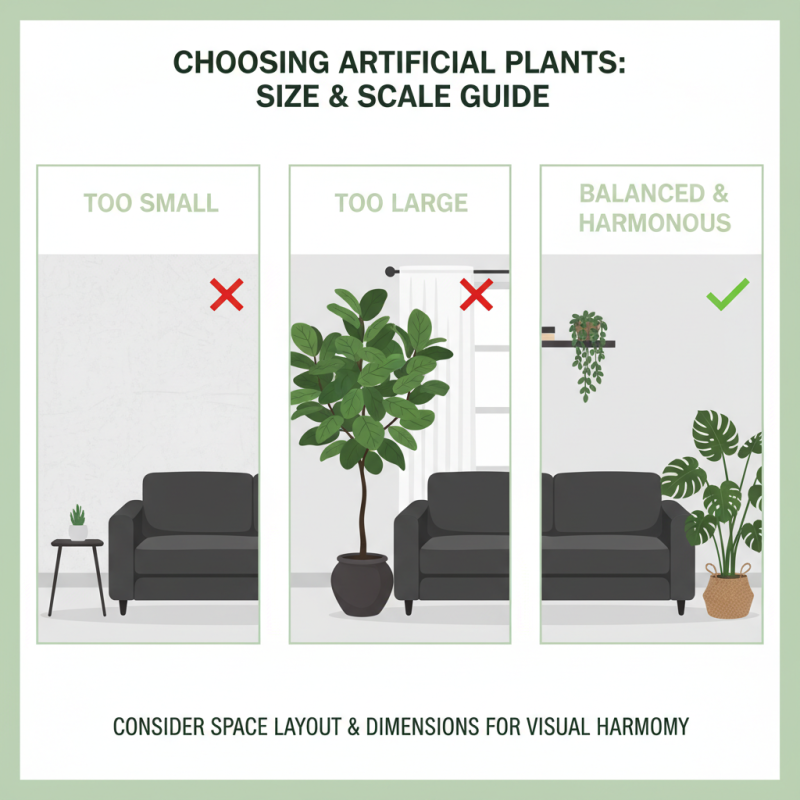
Choosing the right size and scale of artificial plants can significantly impact your space. When adding greenery, consider the layout and dimensions of the area. Too small plants may get lost, while oversized ones can overwhelm the space. Aim for balance and harmony.
Tips: Measure your space before shopping. Visualize how different sizes will fit. A large plant may serve as a focal point, while smaller ones can complement the design. Grouping smaller plants can create visual interest without cluttering.
Room height matters as well. Tall ceilings can accommodate sizable plants, adding an elegant touch. Conversely, for lower ceilings, opt for shorter plants. Mid-sized plants often work in diverse settings, bridging the gap.
Tips: Use variety in height to draw the eye upwards. Experiment with plant arrangements. Don't be afraid to rearrange and reflect on what works best. Some pairings may not align with your vision, but adjusting the scale can lead to surprising results. Finding the right fit requires patience and trial.
Evaluating Material Quality and Realism in Artificial Florals
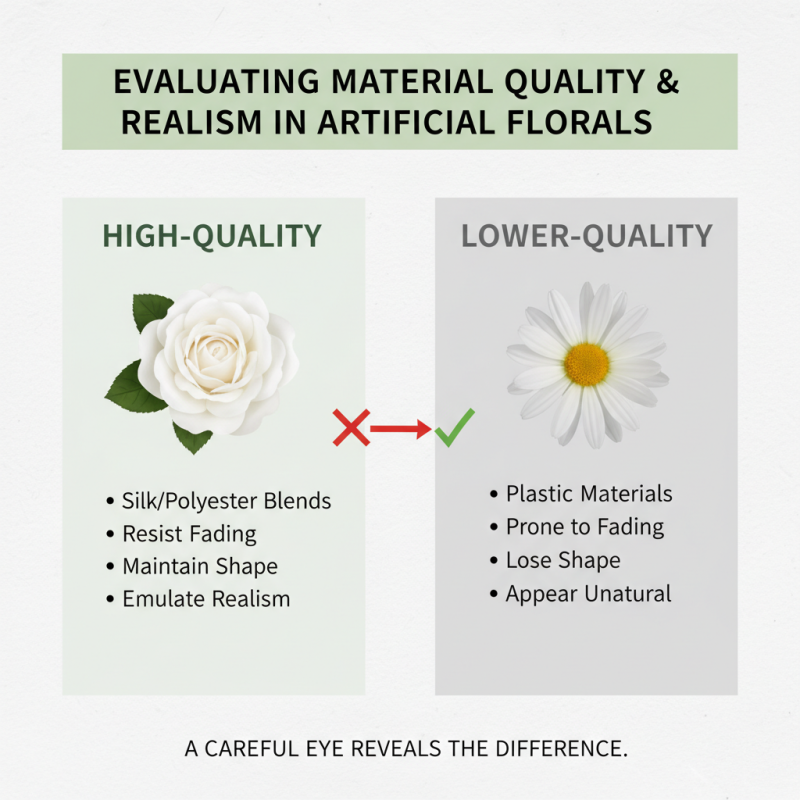
When selecting artificial floral plants, evaluating material quality is essential. High-quality materials emulate real flowers effectively. Look for silk or polyester blends that resist fading and maintain their shape. Cheaper options often use plastic, which can look unnatural. A careful eye can reveal the difference.
Realism is another critical factor. Examine the details closely. Petal texture, leaf veins, and color variation contribute to a lifelike appearance. Some artificial plants are crafted with intricate designs that mimic nature perfectly. However, not all products achieve this level of realism.
The arrangement also impacts visual appeal. A poorly arranged bouquet can appear artificial, even if the materials are excellent. Take time to evaluate the overall look. Finding a balance between quality and aesthetic can be a challenge. Some attempts may not turn out as expected, requiring adjustments or replacements. A thoughtful approach will enhance your space beautifully.
Caring for and Maintaining Your Artificial Floral Plants
When it comes to caring for artificial floral plants, a few simple steps can make a big difference. Dust regularly with a soft cloth to maintain their fresh appearance. Artificial plants can gather dust, which dulls their color and enhances the fake look. Cleaning them with water can also help remove any stuck dirt. However, be cautious with water applications; excess moisture might affect certain materials.
To keep your plants looking vibrant, consider placing them away from direct sunlight. Prolonged exposure may fade their colors over time. Rotate your plants occasionally to ensure even exposure to light, particularly if they are near a window. Using a soft brush can also help reach those tricky spots without causing damage.
Tips for maintaining your artificial plants:
- Use a microfiber cloth for dusting.
- Keep them out of direct sunlight to avoid fading.
- Store them properly when not in use to prevent deformation.
While artificial plants require less maintenance than real plants, they are not entirely care-free. Regular attention will enhance their appearance and longevity. Check periodically for any signs of wear, such as frayed edges or discoloration, and consider making replacements as necessary.
How to Choose the Best Artificial Floral Plants for Your Space? - Caring for and Maintaining Your Artificial Floral Plants
| Category |
Plant Type |
Height |
Material |
Maintenance Level |
Best Use Case |
| Indoors |
Silk Flowers |
12 inches |
Silk |
Low |
Table Centerpieces |
| Indoors |
Faux Succulents |
8 inches |
Plastic |
Very Low |
Shelves and Windowsills |
| Outdoors |
Outdoor Plants |
36 inches |
Polyethylene |
Medium |
Porches and Patios |
| Indoors |
Flower Bouquets |
15 inches |
Silk |
Low |
Decorative Vases |
| Special Occasions |
Wreaths |
24 inches |
Plastic/Cloth |
Medium |
Front Doors & Walls |