How to Choose the Best Imitation Flower for Your Home?
Choosing the right imitation flower for your home can be a rewarding experience. Imitation flowers offer beauty without the drawbacks of real plants. They require no watering, sunlight, or maintenance. However, not all imitation flowers are created equal.
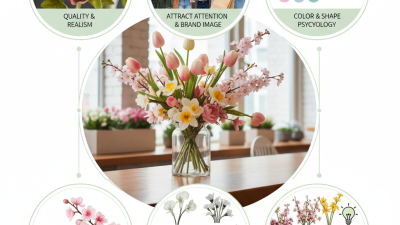
When selecting the best imitation flower, consider the style and color that complements your home decor. Look for realistic textures and details that mimic real blooms. The quality of material is crucial; cheaper versions may look artificial and cheap.
It’s easy to overlook the importance of placement. A beautiful imitation flower can enhance a room’s ambiance but only if displayed thoughtfully. Experiment with vases and arrangements. Reflect on your choices; they can either elevate or detract from your space.
Factors to Consider When Selecting Imitation Flowers
When selecting imitation flowers, consider their material quality. High-grade silk or polyester closely resembles real petals. Research shows that authentic-looking materials enhance perceived value. A study by the American Home Decor Association states that 78% of homeowners favor silk over cheaper plastic alternatives.
Pay attention to flower size and arrangement. Some flowers may appear overly large or small, disrupting room aesthetics. A balanced arrangement is key for a natural look. This is where personal taste comes into play. It’s common to feel uncertain about color choices. Neutral tones often blend well, but bold colors can add vibrancy.
Remember, the right lighting makes a big difference. Imitation flowers can look artificial in harsh lighting. Soft, diffused light can enhance their beauty. Take time to experiment with different placements and lighting settings. Achieving the perfect look may require multiple attempts. Don't hesitate to reassess your selections regularly. This reflection can lead to a more satisfying choice.
Types of Imitation Flowers and Their Uses in Home Décor
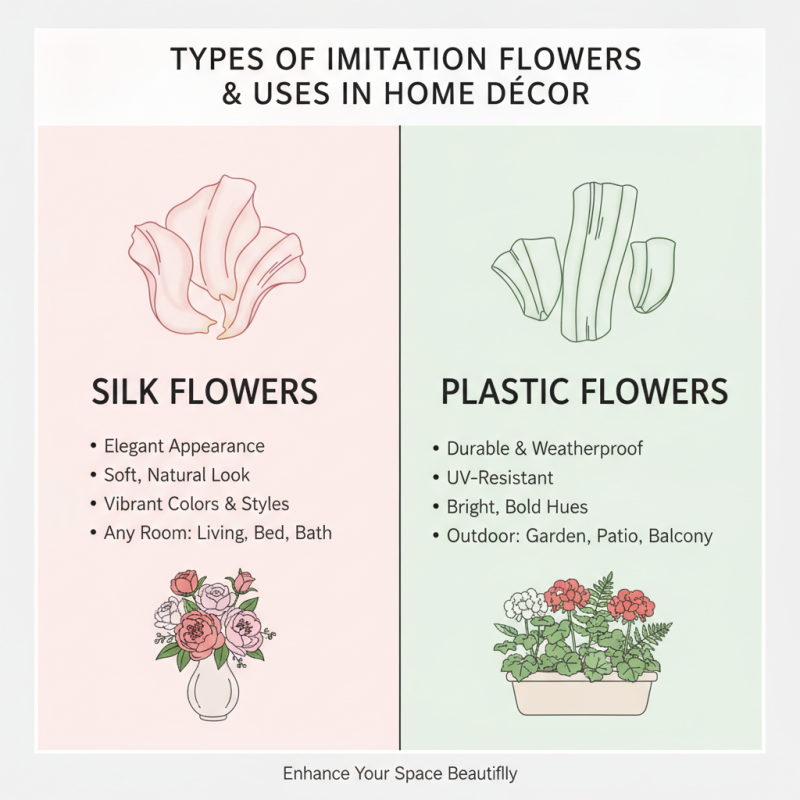
When selecting imitation flowers for your home, consider the different types available and how they can enhance your décor. Silk flowers are popular for their realistic appearance. They come in various colors and styles, making them suitable for any room. Plastic flowers tend to be more durable and can withstand outdoor conditions. They are perfect for vibrant garden settings or patios.
Moreover, foam flowers add a unique texture to your arrangements. They are lightweight and can create stunning centerpieces or wall displays. Dried flowers, although real, can be mixed with artificial ones for an eco-friendly touch. This blend offers both charm and longevity.
Tips: When choosing imitation flowers, focus on color schemes. Match them with your existing décor for a cohesive look. Don’t shy away from mixing materials; it can create depth in your arrangements. Ensure you care for them properly. Dust them regularly to maintain their beauty. Imperfections in arrangement add character. It’s okay if not everything looks perfect. Embrace the unique charm of each flower.
Color and Style Coordination with Your Home Interior
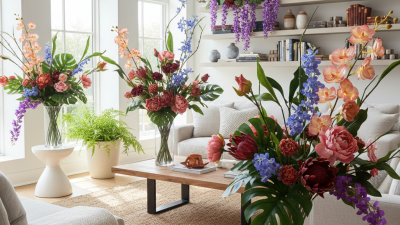
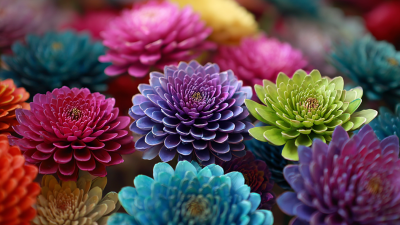
When considering imitation flowers for your home, color and style play a pivotal role. A recent study from the Home Design Institute indicated that 74% of consumers prioritize color coordination when selecting decor. Choosing flowers that harmonize with your current interior will elevate the aesthetic of any room. For instance, pairing soft pastel flowers with neutral tones can create a serene atmosphere, while vibrant colors can energize a space.
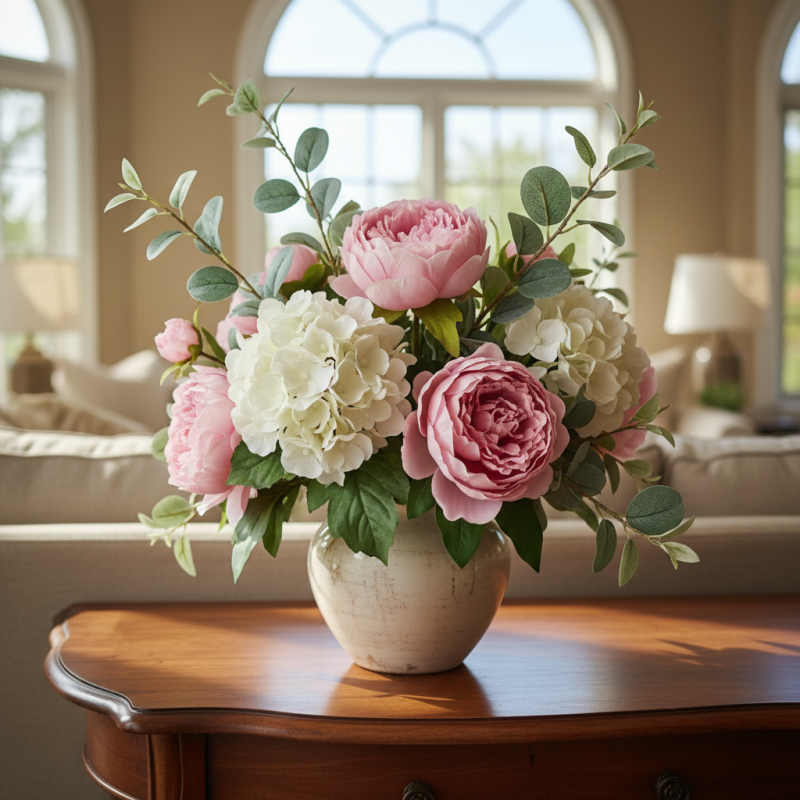
Diverse styles also demand careful thought. Traditional decor may benefit from classic roses or peonies, while modern spaces might look better with minimalist arrangements. Reports indicate that 65% of homeowners prefer styles that reflect their personal aesthetic. It’s essential to reflect on what resonates with you. Sometimes, the flowers chosen do not quite fit, and this mismatch can undermine the home’s overall vibe. Experimentation with various styles might be necessary.
Lighting conditions greatly affect flower appearance too. Bright rooms can enhance vivid colors, while dim spaces might require softer hues. The right imitation flower should complement your decor rather than overwhelm it. A well-balanced selection can make a significant difference. A good approach might involve sampling flowers in your home environment before committing to a style. This practice helps identify any potential mismatches, guiding you towards the perfect floral addition.
Quality Indicators of High-Grade Imitation Flowers
When selecting imitation flowers, several quality indicators can help distinguish the best options. Look for petals that closely mimic real flowers. The texture should feel natural, with slight variations in color. High-quality imitation flowers often feature intricate details. These details can include veins on leaves or subtle gradients in colors. Examine the stitching and assembly of petals; it should appear seamless and professional.
One common oversight is focusing solely on appearance. While vibrant colors attract attention, they may not reflect quality. Check for materials used in the construction. Fabrics like silk or polyester often indicate better durability. Beware of excessively shiny surfaces; they can detract from authenticity. A blend of matte and glossy finishes typically creates a more realistic appearance.
Smell is another factor that can be overlooked. Quality imitation flowers should not have a harsh chemical odor. Instead, they might have a faint scent from the materials used. Reflect on how the flowers feel in your space. Do they evoke the intended emotion? Consider pairing different varieties for texture. It’s important to create a cohesive look while maintaining visual interest.
How to Choose the Best Imitation Flower for Your Home? - Quality Indicators of High-Grade Imitation Flowers
| Quality Indicator |
Description |
Example |
| Material |
High-grade imitation flowers are often made from silk or high-quality plastic that mimics the look of real petals. |
Silk Flowers, Polyethylene Flowers |
| Realism |
Look for flowers with realistic color gradients and textures to ensure they resemble real flowers closely. |
Ombre Roses, Textured Lilies |
| Durability |
High-quality flowers should resist fading and tearing, ensuring longevity in various environments. |
UV-resistant Options |
| Weight |
A good imitation flower feels substantial and does not feel overly light or flimsy. |
Weighted Stems |
| Price |
Higher-quality flowers typically come with a higher price tag, reflecting better materials and craftsmanship. |
$15-$50 per bouquet |
| Maintenance |
Quality imitation flowers require less maintenance and can often be cleaned easily with a damp cloth. |
Easy Dust Removal |
Maintenance Tips for Preserving the Beauty of Imitation Flowers
When it comes to maintaining imitation flowers, attention to detail can make a significant difference. Regular dusting is essential. Use a soft cloth or a feather duster to remove dust that can accumulate on the petals and leaves. A damp cloth can also help to restore the vibrant colors of your flowers. However, be careful not to saturate them; soaking can damage the materials.
Occasionally, a more thorough cleaning is necessary. You can fill a bowl with lukewarm water and gently submerge the flowers. After soaking, let them air dry naturally. This process can refresh the look of your flowers, but it requires patience. Always check for any signs of wear or fading over time, as even high-quality imitation flowers may not last indefinitely.
Light exposure is another factor to consider. Excessive sunlight can cause colors to fade. Place your flowers in a location where they can be enjoyed without direct sunlight. This can prolong their beauty. Regularly rearranging their placement can also breathe new life into your decor. Don't shy away from experimenting with how they fit into different spaces in your home. Each adjustment can lead to a fresh perspective on your interior design.