10 Essential Tips for Using Artificial Leaves in Your Decor and Crafts?
Artificial leaves have become increasingly popular in the world of decor and crafts. Their vibrant colors and lifelike textures can transform any space. Whether you’re looking to enhance your home or create stunning craft projects, artificial leaves provide endless possibilities.
Using artificial leaves can be a game-changer in interior design. They bring a touch of nature indoors without the maintenance of real plants. You can easily incorporate them into centerpieces, garlands, or wall hangings. However, overusing them can make a space feel artificial. Balance is key when using these decorative elements.
Craft projects benefit greatly from artificial leaves as well. They add depth and dimension to various creations. From scrapbook pages to handmade cards, they can elevate your work. Just ensure that you don’t overcrowd your designs, as this can detract from the overall effect. Embrace the beauty of artificial leaves while considering your audience’s perception. In doing so, you can create pieces that truly resonate.
Choosing the Right Type of Artificial Leaves for Your Projects
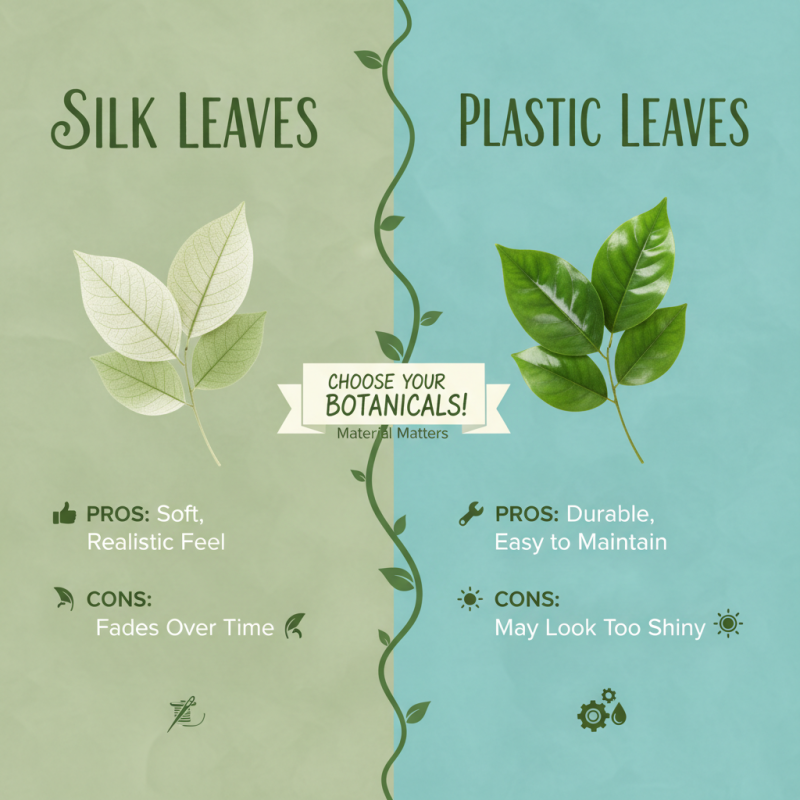
When choosing artificial leaves for your projects, consider the material. Silk leaves offer a soft, realistic touch. Plastic leaves, on the other hand, are often more durable and easier to maintain. Each option has its charm, but neither is perfect. Sometimes silk leaves can fade over time, while plastic ones may look too shiny.
The size and shape of the leaves are also important. Large leaves can make a bold statement, while small ones add subtle elegance. Think about the space where you'll use them. Sometimes, the scale may feel off in certain arrangements. Don't be afraid to mix different types or even colors. It creates a more natural look, but it might not always work as intended. You might end up with an arrangement that feels too cluttered or forced.
Finally, consider the season or occasion. Winter-themed projects may benefit from deeper colors, while spring designs can thrive with brighter hues. However, matching colors can be tricky. Sometimes, what seems harmonious in your mind may clash in reality. Take your time to reflect on the overall vibe you want to achieve. Balancing aesthetics with practicality is vital for a successful outcome.
Coordinating Colors and Textures in Your Decor and Crafts
When using artificial leaves in your decor and crafts, coordinating colors and textures is crucial. Choose leaves that complement your overall color scheme. Shades of green work well with neutrals like beige and white. Add in pops of color with flowers or fruits for a vibrant contrast. Consider the texture of leaves, too. Matte finishes can pair beautifully with shiny vases or fabrics.
Mixing different types of artificial leaves can create a rich sensory experience. For instance, combine velvety leaves with those that have a glossy sheen. This contrast can bring depth to your arrangements. However, avoid overwhelming your space with too many textures. Keep a balance to maintain a cohesive look. Sometimes, less truly is more.
Experimenting with placement is essential. Hanging leaves from the ceiling can draw the eye upward. These touches can breathe life into otherwise plain spaces. Don’t hesitate to try various arrangements, but be mindful. Not every combination will work seamlessly. Take time to evaluate what appeals to you. This process of trial and error can lead to stunning results.
Creative Ways to Incorporate Artificial Leaves into Home Decor
Using artificial leaves can transform your home decor in beautiful ways.
Hang them from the ceiling as a whimsical canopy. Choose various sizes and colors to create depth. A simple arrangement can cheer up any dull corner.
Look for leaves in vibrant hues, like shades of green, orange, and even metallics.
Layer them over furniture for a cozy, inviting look.
Creating a centerpiece is another fun idea. Place a cluster of artificial leaves in a decorative bowl.
Mixed textures work well here; try adding stones or candles. These elements give a natural vibe, making your space feel alive.
You can also glue leaves to picture frames for a unique touch. It’s an easy craft that reflects your style.
Just be careful; too many leaves can look cluttered. Balance is key for an appealing design.
Crafting Techniques for Attaching Artificial Leaves Effectively
When using artificial leaves in decor, the attachment method is key. Strong adhesion is essential for durability. The average lifespan of high-quality artificial leaves can reach five to seven years. However, improper attachment can reduce this significantly. Crafting techniques vary widely, but hot glue often works best. It provides a strong bond and quick setting time, ideal for various surfaces.
Consider using wire to secure larger leaves. This technique allows flexibility and positioning control. It’s easier to create depth with layered leaves. A report by the Craft Industry Alliance states that 80% of crafters prefer methods that offer versatility and ease of use. Yet, too much reliance on one technique can lead to repetitive designs. Experimenting can lead to unexpected results that may surprise you.
Mistakes happen, and that’s part of the process. If leaves fall off, it’s not just a nuisance; it reveals a need for better technique. Crafting should be a balance of creativity and practical skills. Adjustments are crucial. Learning from these experiences can lead to more refined projects. Trust the process; your next piece could be your best yet.
Maintaining and Cleaning Artificial Leaves for Longevity
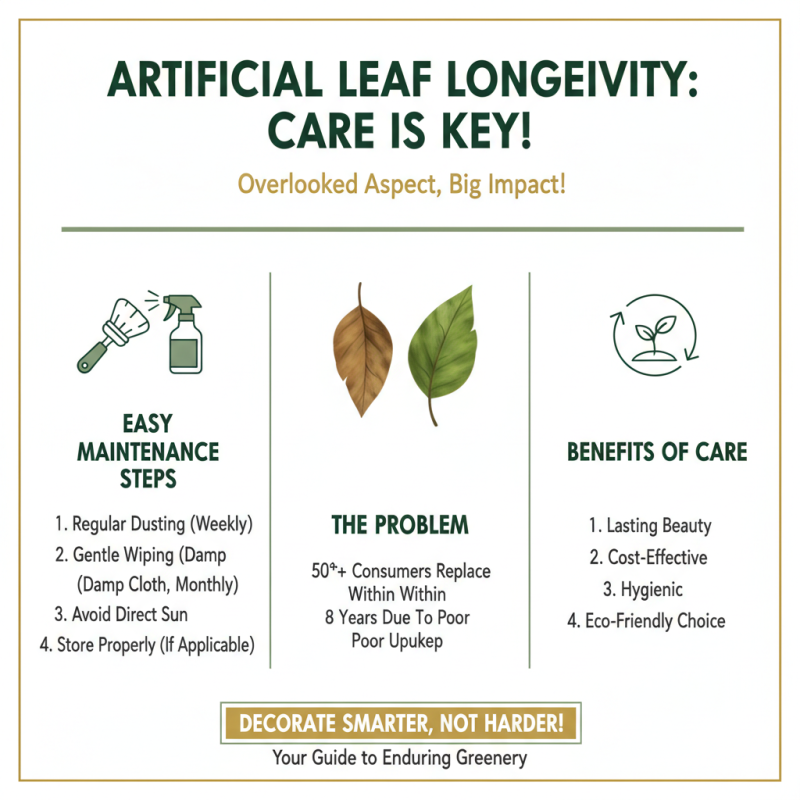
Artificial leaves can add beauty to your decor. However, maintaining them is essential for longevity. Many people overlook this aspect. According to recent studies, over 50% of consumers replace artificial plants within two years due to poor upkeep.
Cleaning artificial leaves regularly can extend their life. Dust can accumulate quickly, making them look dull. A damp cloth can gently remove this grime. Avoid harsh chemicals; these can damage the material. Studies indicate that using mild soap and water is effective and safe. Some recommend a simple vinegar solution for deeper cleaning.
Storage also plays a role in longevity. Exposing them to direct sunlight can fade colors. Keeping them in a cool, dry place is ideal. If you notice any signs of wear, consider repairing rather than replacing. This approach can save money and maintain your aesthetic vision. Embracing these small steps can truly enhance your decor experience.