What is Faux Flowers and How Are They Used in Home Decor?
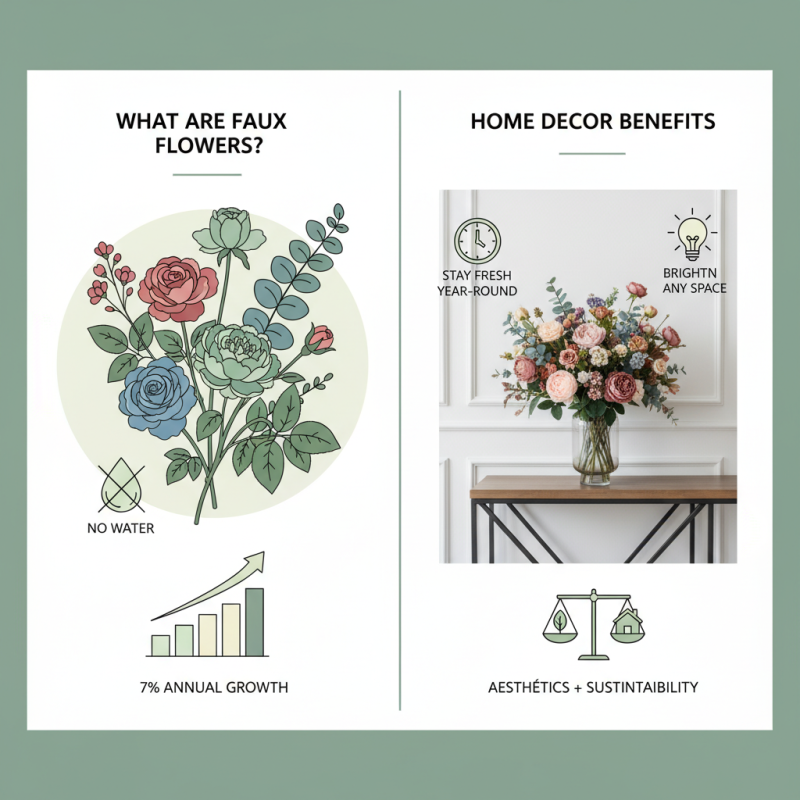
Faux flowers have become a popular choice in home decor. These artificial blooms combine beauty with practicality. A report by the American Floral Endowment stated that the faux flower market is expected to grow by 7% annually. This trend reflects a growing appreciation for lasting design elements.
Faux flowers offer various benefits. They require no watering and stay fresh year-round. Their realistic designs can brighten up any space. However, some critics argue they lack the charm of real flowers. The challenge lies in choosing high-quality faux options that can effectively mimic nature.
Despite their rising popularity, it's crucial to recognize potential drawbacks. Faux flowers may contribute to environmental concerns, especially when not made from sustainable materials. Homeowners must consider both aesthetics and sustainability. By choosing wisely, faux flowers can enhance decor while still being mindful of our planet.
Understanding Faux Flowers: Definition and Characteristics
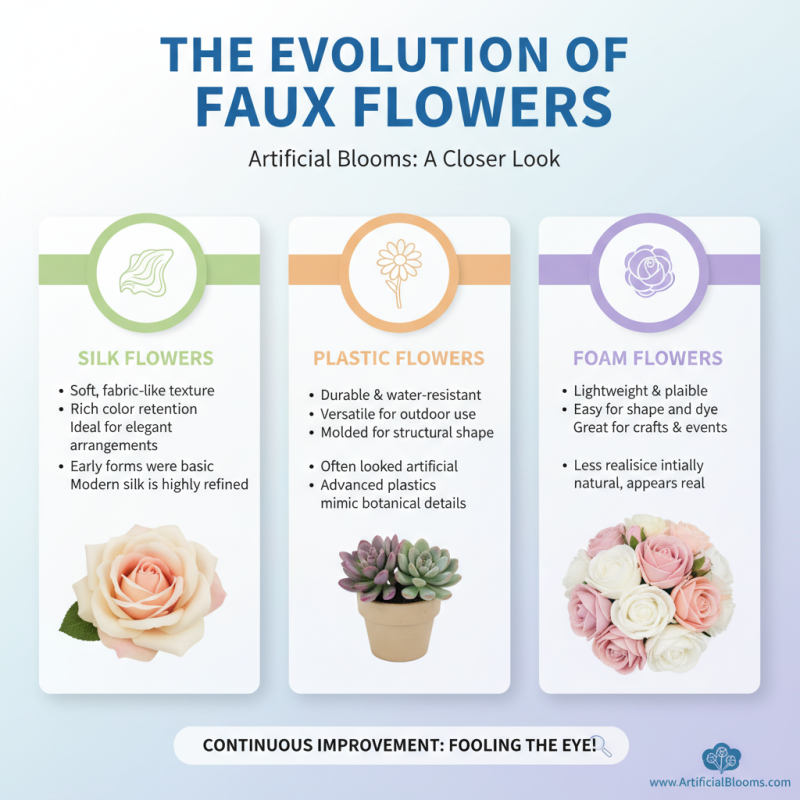
Faux flowers are artificial blooms designed to mimic real ones closely. They come in various materials such as silk, plastic, and foam. Each material offers unique characteristics, like texture and vibrancy. These flowers have improved over time. Some even look remarkably lifelike, fooling many onlookers.
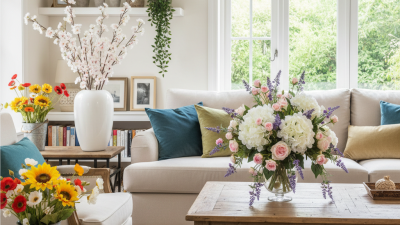
When using faux flowers in home decor, placement matters significantly. They can brighten up dull corners or enhance table settings. Mixing different types of faux flowers can create stunning arrangements. However, it’s essential to remember that some combinations might feel overdone. Too many colors or shapes can clash, losing the intended elegance.
Maintaining faux flowers is straightforward but requires some care. Dust often collects on these decorations, making them look stale. Regular cleaning is a must. Still, they never require watering or sunlight, which is a definite plus. In a busy household, that’s a relief. Using faux flowers is a beautiful choice but demands attention to detail.
The History and Evolution of Faux Flowers in Home Decor
Faux flowers have a rich history in home decor. They emerged as a solution for those who wanted the beauty of blooms without the maintenance. Initially, these artificial flowers were made from silk and paper. Over the decades, advancements in materials evolved designs. Now, faux flowers can mimic real ones so closely that they are almost indistinguishable.
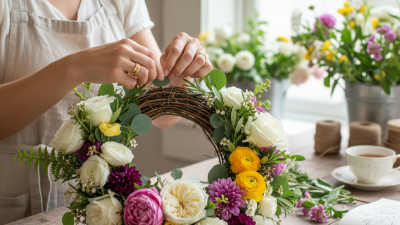
Today, many people use faux flowers to brighten their spaces. They can be arranged in vases, hung on walls, or added to wreaths. The convenience of faux flowers appeals to busy lifestyles. However, some may feel they lack the vibrancy of live blooms. Is the trade-off worth it? The choice depends on personal tastes and lifestyle. It’s a reflection of living in a fast-paced world, where beauty sometimes comes with compromise.
What is Faux Flowers and How Are They Used in Home Decor?
| Dimension |
Description |
| Material |
Silk, Plastic, Polyester |
| Lifespan |
Years with proper care |
| Maintenance |
Dusting and occasional cleaning |
| Common Uses |
Table centerpieces, wall arrangements, seasonal decor |
| Advantages |
Allergy-friendly, no watering needed, year-round availability |
| Disadvantages |
Can look less realistic, may fade in sunlight |
| Historical Evolution |
Started in the 12th century, gained popularity in 20th century |
| Trends |
Naturalistic designs, mixed arrangements with real plants |
Common Materials Used in the Production of Faux Flowers
Faux flowers have gained popularity in home decor. They offer the beauty of real blooms without the upkeep. Various materials contribute to their lifelike appearance. Understanding these materials can enrich your decor choices.
Silk is one of the most common materials. It mimics the soft texture of petals. The colors are vibrant and do not fade easily. However, silk can sometimes look a bit too glossy.
Cotton blends are another choice. They provide a more matte finish and can offer a rustic charm. But, cotton may not always be as durable as silk.
Plastic is another widely used material. It is often durable and easy to clean. But the challenge lies in making it look natural. Some faux flowers appear stiff.
A mix of materials often yields the best results. For instance, combining silk and plastic can create depth. It's essential to consider your space carefully. What works in one room may not fit another. Experimentation is key to finding the perfect arrangement.
Creative Ways to Incorporate Faux Flowers in Home Design
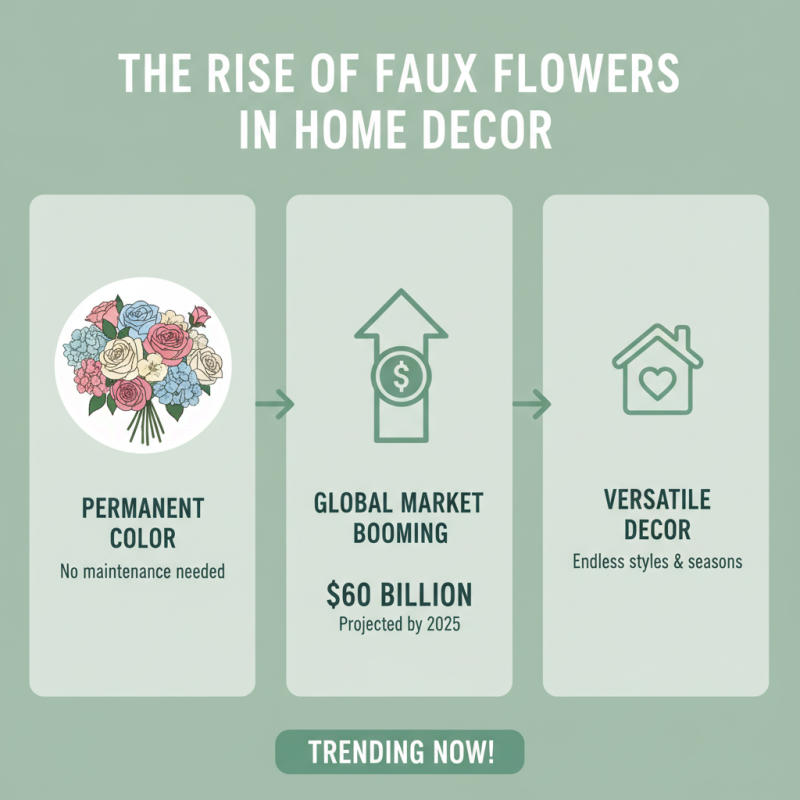
Faux flowers have gained immense popularity in home decor. They offer a permanent splash of color without the upkeep of real blooms. According to industry reports, the global market for artificial flowers is projected to reach $60 billion by 2025. This trend highlights the growing love for these versatile decorations.
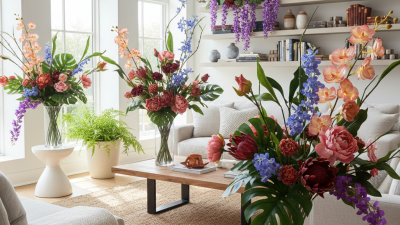
When incorporating faux flowers in home design, consider creating unique arrangements. Use different sizes and types of flowers in a single vase for visual appeal. For instance, a mix of peonies and eucalyptus provides texture and interest. Try grouping smaller arrangements together on a shelf to create a lush, garden-like feel. Remember the power of negative space; too many flowers can overwhelm a room.
Tips: Choose a color palette that complements your existing decor. This creates harmony and balance in your space. Consider seasonal changes, rotating flowers throughout the year. This small act can keep your decor fresh and inviting. Remember, imperfect arrangements can feel more natural. Take risks with placements and combinations; this makes your decor truly yours.
Benefits of Using Faux Flowers Over Real Flowers in Decor
Faux flowers, made from synthetic materials, offer many benefits in home decor. They look stunning in any setting. Unlike real flowers, faux blooms require no watering or sunlight. They maintain their beauty year-round, making them a convenient choice. No wilting or browning, just endless vibrancy.
People often choose faux flowers for their durability. They can withstand different environments. Imagine placing them in a sunny living room or a humid bathroom. They will stay fresh without decay. However, some may argue that artificial flowers can feel less authentic. The texture and appearance might not always match real ones. It’s a valid concern, as genuine flowers have a unique charm.
Still, faux flowers allow for creative freedom. They come in endless varieties, colors, and arrangements. One can easily change themes without breaking the bank. Mixing these blooms with real greenery can create a balanced look. It’s an exploration of both worlds. While faux flowers might lack some life, they bring stability and beauty to a home.