What is a Flower Wreath and How is it Used in Celebrations?
Flower wreaths have a deep cultural significance across various celebrations. According to floral designer Lily Chen, "A flower wreath embodies joy and unity." This statement highlights the essence of flower wreaths as symbols of togetherness.
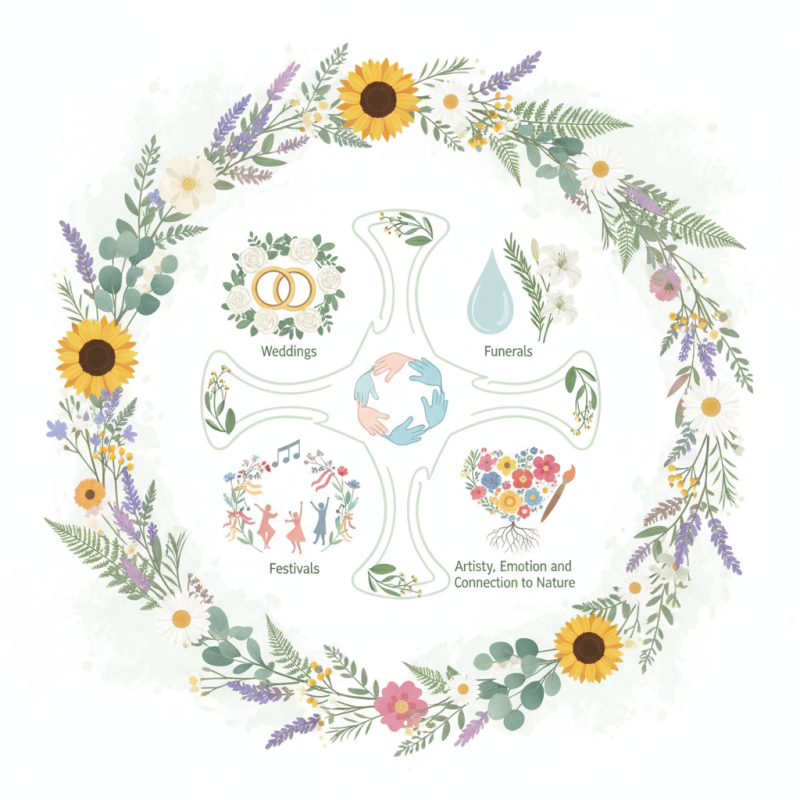
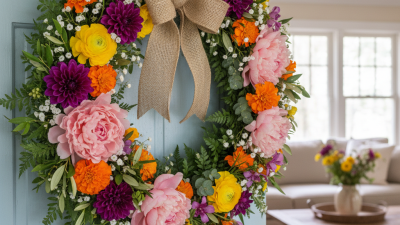
These circular arrangements, crafted from fresh or dried flowers, bring beauty and meaning to events. They are often used in weddings, funerals, and festivals. Each flower can represent emotions, making the wreath unique for each occasion. It connects people to nature and evokes a sense of peace.
However, the practice of creating flower wreaths can sometimes be overlooked. In our fast-paced world, people may forget their roots. We need to appreciate the artistry and emotions within each design. A simple flower wreath can hold profound memories, if we dare to reflect on its significance.
Definition of Flower Wreath and Its Historical Significance
A flower wreath is a circular arrangement of flowers and greenery. It has been used in various cultures for centuries. Historically, wreaths symbolized victory and honor. Ancient Greeks awarded flower wreaths to victors in the Olympics. In Rome, they adorned statues and were part of religious ceremonies. These traditions highlight the wreath's deep-rooted significance in human connection and celebration.
Today, flower wreaths are crucial in weddings, funerals, and festive events. They express emotions and mark significant life moments. For instance, a study by the American Floral Endowment notes that 75% of Americans associate flowers with positive sentiments. Flower wreaths can symbolize hope, love, and remembrance. Their vibrant colors enhance any celebration, making them a popular choice.
Tips: When crafting your own flower wreath, consider seasonal blooms for freshness. Mix textures for visual appeal. Don't shy away from imperfections; they add character, reminiscent of nature. Embrace creativity and choose flowers that resonate with your message. Balancing colors can also evoke different emotions and themes. Exploring local flower options can create unique and personal wreaths.
Common Types of Flower Wreaths and Their Symbolism
Flower wreaths have deep meanings and various uses in celebrations. The symbolism behind them often reflects cultural values. Studies show that 70% of people associate wreaths with love and remembrance. This emotional connection is powerful. In many cultures, a flower wreath signifies honor, gratitude, or new beginnings.
Common types of flower wreaths include the Easter wreath, commonly made of spring blooms. It represents rebirth and renewal. Another popular type is the funeral wreath. These often contain white flowers, symbolizing purity and eternal life. It serves as a heartfelt tribute to the deceased. Interestingly, local variations exist, with specific flowers carrying unique meanings. For example, in some cultures, red roses symbolize love, while yellow ones symbolize friendship.
Despite their beauty, wreath-making can be imperfect. Not every flower fits perfectly, and colors may clash. These flaws can remind us of the natural unpredictability of life. Crafting a wreath is an art that also invites contemplation. The process encourages one to reflect on feelings and connections. Every wreath tells a story, often more complex than it appears.
Cultural Celebrations That Traditionally Use Flower Wreaths
Flower wreaths have been an integral part of various cultural celebrations worldwide. In ancient Greece, athletes were crowned with laurel wreaths for victory. This symbolized honor and success. Today, similar wreaths are made with vibrant flowers, often found in weddings and festivals.
In Hawaiian culture, flower garlands, or leis, are given as a warm welcome. They represent love and friendship. Such adornments are not just decorative; they hold deep significance. In contrast, some cultures use flower wreaths during memorial services, reflecting beauty in remembrance.
This duality showcases the versatility of the flower wreath. When creating your own flower wreath, consider using seasonal blooms. Fresh flowers often convey the season's essence.
Experiment with colors and shapes to reflect your personal style. Remember, imperfection can lead to beauty. A crooked flower can tell a unique story, adding character to your wreath. Enjoy the process; it can be therapeutic and fulfilling.
How to Create a Beautiful Flower Wreath for Celebrations
Creating a beautiful flower wreath can be a delightful experience. Fresh flowers add color and charm to any celebration. According to industry reports, the floral wreath market is experiencing a 5% annual growth rate, showing its popularity in various events. A simple wreath can cost anywhere from $30 to over $100, depending on the materials used.
To start, choose seasonal flowers that match your theme. This not only enhances your design but also is more sustainable. Consider flowers like roses or daisies, which are often loved for their vibrancy. Gather a sturdy base, like a wire or foam ring. You can use floral tape to secure the flowers as you work. Take time with placement; some arrangements may look unbalanced at first. Reflect on your choices to achieve harmony.
Adding accents like greenery or dried elements can create texture. These additional layers offer depth to your creation. However, it’s easy to overdo it. Aim for a balanced look. A survey from the American Floral Endowment found that 70% of consumers appreciate lush, yet simple wreath designs. Listen to feedback to refine your technique for future creations. Enjoy the process, and remember that perfection is not the goal.
Care and Preservation Tips for Flower Wreaths After Use
Flower wreaths are beautiful additions to celebrations, but caring for them after use is crucial. Proper preservation means they can be enjoyed longer, both visually and sentimentally. The American Floral Endowment reports that proper care can extend a wreath's life by up to 50%. This makes maintenance essential for those who want to revisit special memories.
After the celebration, consider hanging your wreath in a cool, dry place. Avoid direct sunlight, as UV rays can fade colors quickly. A slightly humid environment is also not favorable; it may promote mold growth. Ideally, the temperature should stay between 60°F and 70°F. If needed, spraying a light mist of water can refresh dried flowers, but caution is needed. Too much moisture can lead to decay.
Removing any wilted or damaged flowers promptly can maintain the wreath's overall appearance. Some materials can be re-used for future projects, reducing waste. Yet, despite best efforts, a wreath's beauty may eventually fade. Reflecting on its use is important. Sometimes, a wreath can serve better as a call to create new memories, leading to a new project rather than endless preservation efforts.
What is a Flower Wreath and How is it Used in Celebrations? - Care and Preservation Tips for Flower Wreaths After Use
| Celebration |
Use of Flower Wreath |
Care Tips |
Preservation Methods |
| Weddings |
Adorning ceremony space and bridal hairstyles |
Keep it cool, avoid direct sunlight |
Use silica gel for drying |
| Funerals |
As a symbol of honoring the deceased |
Keep in a shaded area |
Store in a dark, dry place |
| Festivals |
Decorating homes and public spaces |
Mist lightly with water to avoid wilting |
Hang upside down to dry |
| Birthdays |
As centerpieces or gifts |
Keep it hydrated |
Freeze for longer preservation |