Top Types of Imitation Plants for Home Decor Ideas?
Imitation plants have surged in popularity for home decor. According to a report by Grand View Research, the artificial plants market is expected to reach $1.7 billion by 2026. Many homeowners are drawn to these plants for their design versatility and low maintenance. Unlike real plants, imitation plants do not require watering or sunlight, making them ideal for busy lifestyles.
People often underestimate the aesthetic appeal of imitation plants. These faux items can blend seamlessly into various decor styles, from minimalist to bohemian. However, some may still perceive them as inferior. It’s essential to choose high-quality imitation plants to avoid a cheap appearance. Realistic textures and colors can create a striking visual impact in any room.
While the benefits of imitation plants are evident, there are still challenges. Some buyers may struggle to find the right fit for their space. Others might feel guilty for opting out of real plants entirely. In conclusion, imitation plants are a practical and stylish choice, but careful selection is crucial for achieving the desired look.
Popular Varieties of Imitation Plants for Home Aesthetics
Imitation plants are increasingly popular in home decor. Recent studies show that nearly 70% of consumers prefer them for their aesthetic appeal. These faux options offer vibrant colors and varied textures without maintenance worries. They remain green year-round and can fit any room’s style.
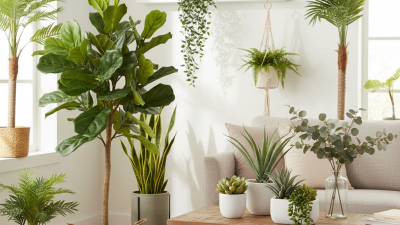
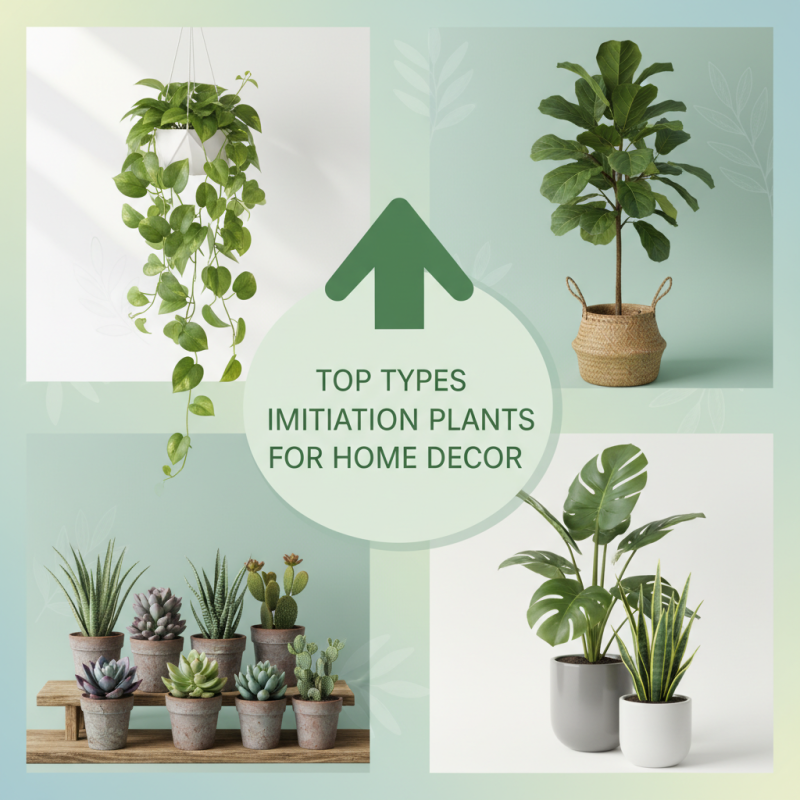
Popular types of imitation plants include succulents, ferns, and monstera leaves. Succulents add a touch of modern elegance, while ferns bring a natural, airy feel. Monstera leaves are bold and dramatic, perfect for creating focal points. Many consumers appreciate the life-like appearance of these plants. However, not every option looks authentic. Some may lack the intricate details found in real plants. A few buyers report dissatisfaction due to poor-quality materials.
When choosing imitation plants, consider your room size and decor scheme. A large monstera might overwhelm a small space. Smaller succulents can add charm without clutter. Remember to reflect on what suits your style. Choosing wisely can enhance your home’s atmosphere significantly. But it's also essential to acknowledge that a few imitation plants may not blend well in every setting.
Top Types of Imitation Plants for Home Decor Ideas
Benefits of Using Artificial Plants in Interior Design
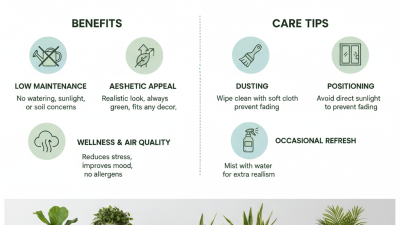
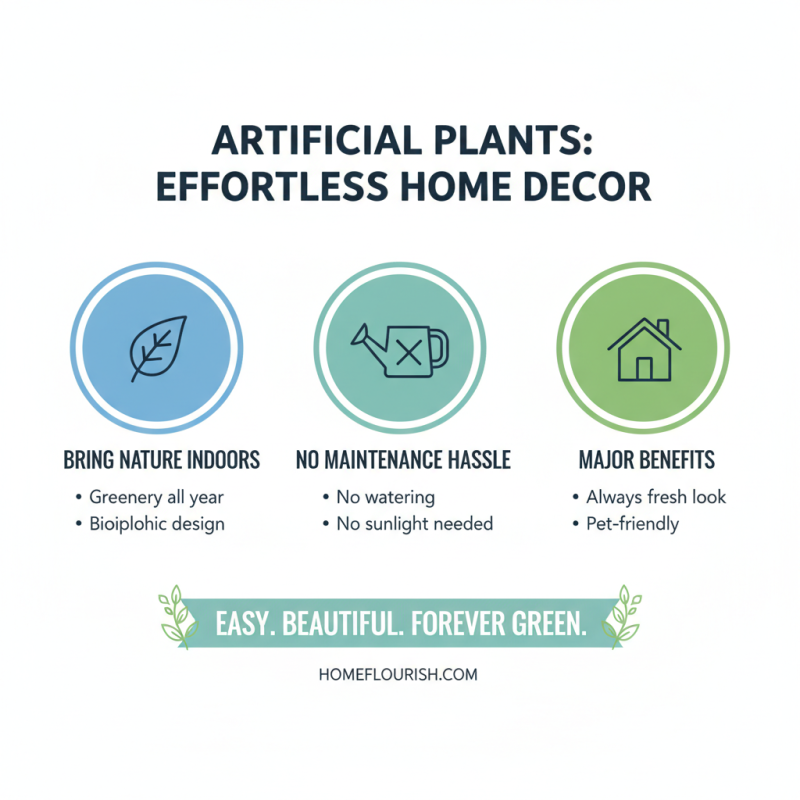
Artificial plants are a popular choice for home decor. They bring a sense of nature indoors without the hassle of maintenance. You don’t need to water them or worry about sunlight. This ease is a major benefit.
Decorating with imitation plants also allows for creativity. You can choose from a variety of sizes and types. From tall floor plants to small succulents, there’s something for every space. They can fill empty corners or brighten up a dull table. However, not all fake plants look realistic. The difference in quality can be obvious. Some may need to be replaced after a season or two.
Moreover, using artificial plants can be a bit limiting. They do not provide the same air benefits as real plants. Still, they can add a pop of color. They can create a soothing atmosphere in a busy home. In the end, the right choices matter. Consider the balance of aesthetics and practicality. Choose plants that feel right for your space.
Creative Ways to Incorporate Fake Plants into Home Decor
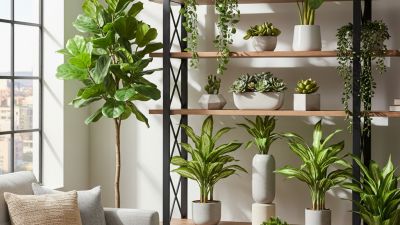
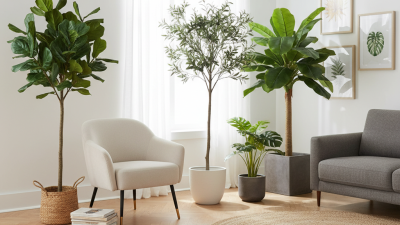
Fake plants can brighten up any room. They require no watering or sunlight. Consider placing a large faux fiddle leaf fig in the corner of your living room. It adds height and visual interest. Hanging faux trailing vines can also create an enchanting effect. Think of how they drape over shelves or hang from the ceiling.
In the bathroom, small artificial succulents can bring life to dull spaces. They require minimal upkeep and add a touch of greenery. Mix different types of plants for variety. Use various textures and sizes to create a dynamic display. But remember, balance is key. Too many could make the space feel cluttered.
Sometimes the placement feels off. You may find that one plant stands out too much. Adjusting the angle or position can make a difference. It’s important to step back and assess the overall look. Fake plants offer versatility but can miss the mark if not arranged carefully.
Choosing the Right Imitation Plants for Different Rooms
When selecting imitation plants for different rooms, consider the overall aesthetic. The kitchen benefits from vibrant greenery. Herbs or leafy plants can enhance the cooking space. Studies show that incorporating plants can boost mood by up to 30%. This can make meal prep more enjoyable.
For living rooms, opt for larger, statement faux plants. A tall palm or a wide monstera can serve as a focal point. Make sure the color palette matches the decor. The right choices create an inviting atmosphere. Additionally, a study by the American Psychological Association indicates that plants in living spaces can reduce stress levels significantly.
**Tip:** In small spaces, choose vertical arrangements. This maximizes floor area while adding dimension. Fake plants are also easy to maintain. **Tip:** Mix different textures for visual interest. Place smooth-leaved plants alongside those with a fuzzy appearance. This variety adds depth. Consider that not every plant suits every room. Reflect on lighting and humidity levels when choosing.
Maintenance Tips for Keeping Artificial Plants Looking Fresh
Maintaining artificial plants can be surprisingly simple. To keep them looking fresh, start by dusting often. Use a damp cloth to wipe leaves and remove dirt. This small effort prevents a dull, lifeless appearance. In addition, check for sun exposure. Over time, sunlight can fade colors. It’s best to place them in shaded areas.
Water is another important factor. While they don't need watering, occasional rinsing can help. Submerge smaller plants in water for a quick clean. Larger items may require a careful wash in the shower. Air drying is crucial to avoid mold.
Be mindful of their arrangement too. Too clustered can look messy. Instead, mix with natural elements for a vibrant look. Regularly reassess their placement to keep the decor dynamic. Even artificial plants need a little restyling now and then.