Top 10 Imitation Plants Buyers Need to Know?
The demand for Imitation Plants has surged significantly in recent years, driven by their minimal maintenance and long-lasting appeal. According to a recent industry report by Market Research Future, the global artificial plant market is expected to grow at a CAGR of 5.6% from 2021 to 2028. This growth reflects a shift in consumer preferences towards sustainable decor options that avoid the pitfalls of real plants.
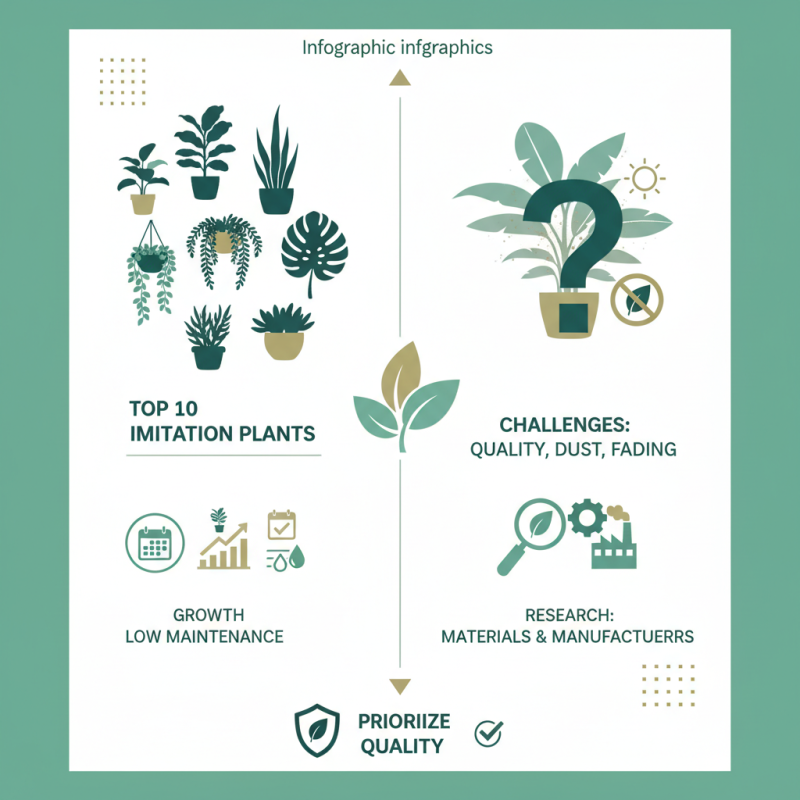
Many buyers still find it challenging to select the best Imitation Plants for their needs. While these products offer aesthetic benefits, they can vary widely in quality, texture, and realism. Some consumers may overlook the potential for a faux plant to quickly become a dust magnet, leading to disappointment. Moreover, the color fading and wear over time are considerations that should not be ignored.
Professionals recommend researching materials and manufacturers before making a purchase. Trusted brands often provide insights into their production processes and materials. As you delve into this market, remember that not all Imitation Plants live up to their promises. Prioritize quality and reliability to enhance your interior spaces effectively.
Factors to Consider When Choosing Imitation Plants
When selecting imitation plants, buyers should consider several key factors. The material quality is fundamental. High-quality imitation plants often feature advanced UV resistance and realistic textures. These materials can last longer and maintain their appearance more effectively than cheaper alternatives.
Size and scale are also critical. Make sure to measure the intended space. A large plant may overwhelm a small room. Conversely, tiny plants can get lost in a spacious hall. In a recent survey, 68% of consumers reported choosing plants that complemented their home decor. A plant’s height, width, and overall look should fit harmoniously within the environment.
Another important aspect is maintenance. While imitation plants require less care than real ones, occasional dusting is necessary. Additionally, some consumers find themselves dissatisfied after a few months. They may realize that the plant's color fades or doesn't match changing decor styles. Balancing aesthetics with practicality is essential. Thoughtful choices can lead to prolonged satisfaction and fewer future regrets.
Top 10 Imitation Plants Buyers Need to Know
| Plant Type |
Material |
Height |
Realism Rating |
Price Range |
| Fiddle Leaf Fig |
Plastic |
5 ft |
9/10 |
$50 - $120 |
| Pothos Plant |
Silk |
3 ft |
8/10 |
$20 - $70 |
| Succulent Arrangement |
Polyester |
1.5 ft |
7/10 |
$15 - $50 |
| Bamboo Plant |
Plastic |
4 ft |
8/10 |
$35 - $95 |
| Snake Plant |
Vinyl |
2 ft |
9/10 |
$25 - $60 |
| Orchids |
Silk |
1 ft |
8/10 |
$30 - $80 |
| Rubber Plant |
Polyester |
5 ft |
9/10 |
$45 - $110 |
| Peace Lily |
Silk |
3 ft |
7/10 |
$25 - $75 |
| Chinese Evergreen |
Plastic |
4 ft |
8/10 |
$40 - $90 |
| Dracaena |
Vinyl |
6 ft |
8/10 |
$60 - $140 |
Types of Imitation Plants Available on the Market
Imitation plants have surged in popularity, serving both decorative and functional purposes. The market offers various types, accommodating different tastes and spaces. Research from industry reports highlights that the artificial plant sector is expected to grow by 8% annually, indicating a strong consumer interest. This growth reflects an increasing preference for low-maintenance home decor.
Among the types available, silk flowers stand out. They radiate an impressive realism and come in many arrangements. Additionally, plastic plants provide a durable option, ideal for high-traffic areas. Some buyers may prefer faux succulents, known for their sturdy structure and diverse species. Each type has unique qualities yet shares common advantages like long-lasting appearance and easy upkeep.
Yet, potential buyers should reflect on quality versus cost. Cheaper options often lack realism and durability. Investing in high-quality imitation plants makes a significant difference. It can elevate a space without the worry of fading or wilting. Before making a decision, consider the aesthetics and functionality required for your setting. Different materials and styles can dramatically alter the atmosphere, so choose wisely.
Benefits of Using Imitation Plants in Home Decor
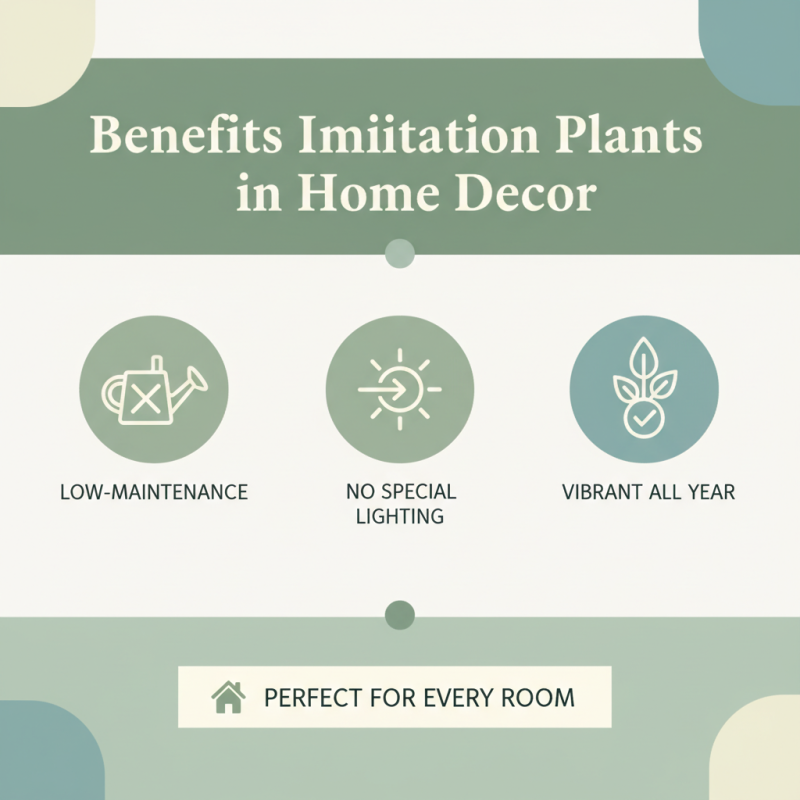
Imitation plants bring a myriad of benefits to home decor. They're low-maintenance and perfect for busy lifestyles. Unlike real plants, they do not require watering or special lighting. This convenience makes them ideal for every room. You can place them in spaces where natural light is lacking, ensuring your decor stays vibrant all year round.
One advantage is their consistent appearance. Unlike real plants, imitation plants don’t wilt or lose leaves. They remain perfect throughout the seasons, adding a touch of greenery without the hassle of upkeep. The variety of styles allows you to find the right fit for any theme—be it modern, rustic, or eclectic.
When choosing imitation plants, consider mixing sizes and shapes. This adds dimension and interest to your decor. Group different types together for a lush display. Pay attention to materials; high-quality options can look stunningly realistic. However, be cautious; some cheaper versions may not look lifelike and can detract from the décor.
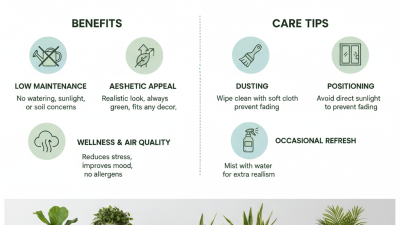
Remember to dust your plants regularly. This small task keeps them looking fresh and doesn’t clutter your space. You may need to reassess their placement. Sometimes, putting them in unexpected spots can truly enhance the room’s vibe. Consider how different lighting will interact with your plants. The right setting can elevate even the simplest design.
Maintenance Tips for Keeping Imitation Plants Looking Fresh
When it comes to maintaining imitation plants, attention to detail is key. Dust can settle on the leaves, making them look dull over time. A damp cloth is your best friend here. Wipe each leaf gently. For hard-to-reach spots, a soft brush helps. Avoid harsh chemicals. They can ruin the finish of the plants.
Lighting plays a crucial role as well. Place your imitation plants away from direct sunlight. Prolonged exposure can fade their colors. However, if they are too dark, they may appear lifeless. Balancing light exposure is essential. Consider rotating the plants occasionally to ensure even fading.
Lastly, storing your plants properly during seasonal changes is vital. While they are designed to endure different conditions, extreme temperatures can affect their appearance. A closet or temperature-controlled room can be ideal. Reflecting on these details enhances the longevity of imitation plants, helping them retain their fresh look over time.
Common Mistakes to Avoid When Buying Imitation Plants
When purchasing imitation plants, common mistakes can lead to dissatisfaction. Many buyers overlook the importance of quality. Not all imitation plants look realistic. The texture and color should mimic natural plants. Examine the materials used. High-quality options enhance your space effectively.
Another typical mistake is size misjudgment. Buyers often choose plants that are either too large or too small for their intended space. Measure your area before shopping. Visualize how the plant will fit in. This helps avoid the disappointment of a poorly sized purchase.
Lighting is another factor to consider. Some imitation plants are better suited for bright spaces, while others thrive in shadows. Researching the light requirements can prevent a mismatch in your home. Lastly, don’t ignore maintenance needs. Imitation plants may still require dusting. Understanding these aspects helps you make informed decisions.