When it comes to enhancing the aesthetic appeal and functionality of your lawn, the choice of artificial grasses plays a crucial role. With an increasing number of homeowners seeking low-maintenance and eco-friendly alternatives to natural grass, understanding the key factors that contribute to selecting the best artificial grasses is essential. This guide aims to provide you with valuable tips that will simplify the decision-making process, helping you create a vibrant and sustainable outdoor space.
Artificial grasses offer a multitude of benefits, such as drought resistance, longevity, and the ability to withstand heavy foot traffic. However, not all products are created equal, and selecting the right type for your specific needs can be daunting. From examining the different types of materials used to assessing the pile height and density, each element contributes to the overall performance and appearance of your lawn. By following these top tips, you will be well-equipped to evaluate your options and make informed choices that align with your landscaping goals.
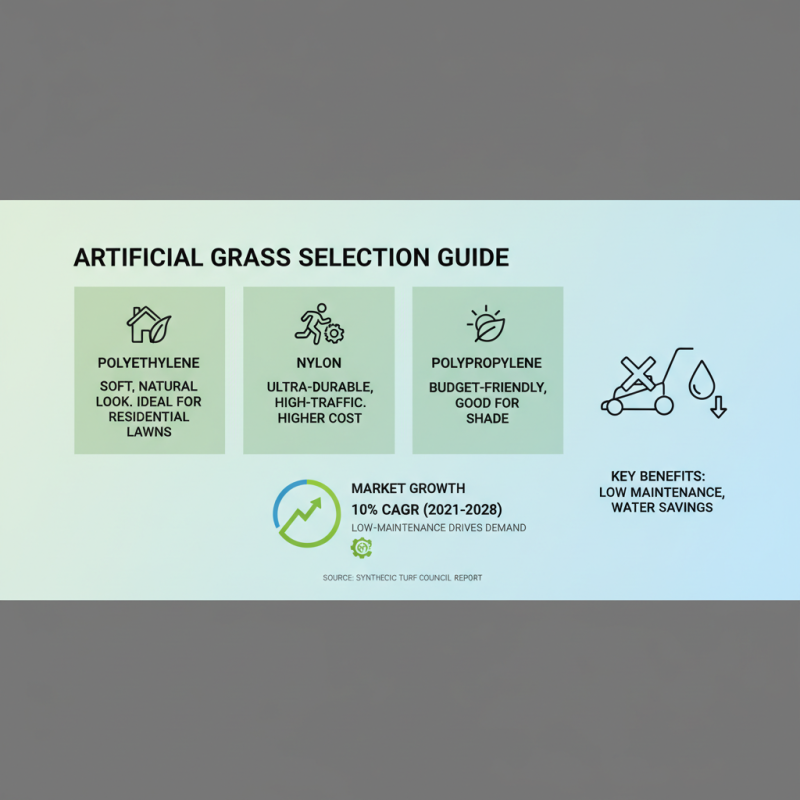
When selecting artificial grass for your lawn, it is crucial to understand the various types of products available in the market. Different materials such as polyethylene, polypropylene, and nylon offer distinct benefits and drawbacks. Polyethylene, known for its soft texture and natural appearance, is highly favored for residential lawns. In contrast, nylon is more durable and suitable for high-traffic areas but often comes at a higher cost. A report by the Synthetic Turf Council states that the market for artificial grass is projected to grow at a CAGR of 10% from 2021 to 2028, driven by increasing demand for low-maintenance landscaping solutions.
Tips when choosing artificial grass include considering the pile height and density. A taller pile height often mimics the look of natural grass closely, while a denser product provides a more lush, full appearance. According to the International Synthetic Turf Society, an ideal pile height ranges between 1.5 to 2.5 inches for residential use. Additionally, look for UV-resistant options to ensure the color remains vibrant over time, as exposure to sunlight can fade lesser quality products quickly.
Another factor to consider is the backing material, which greatly influences durability and drainage capabilities. Most high-quality artificial grasses feature a permeable backing that allows water to flow through, preventing issues related to pooling and mold growth. A properly installed product can even improve your yard's usability during rainy conditions, offering seamlessly green aesthetics year-round.

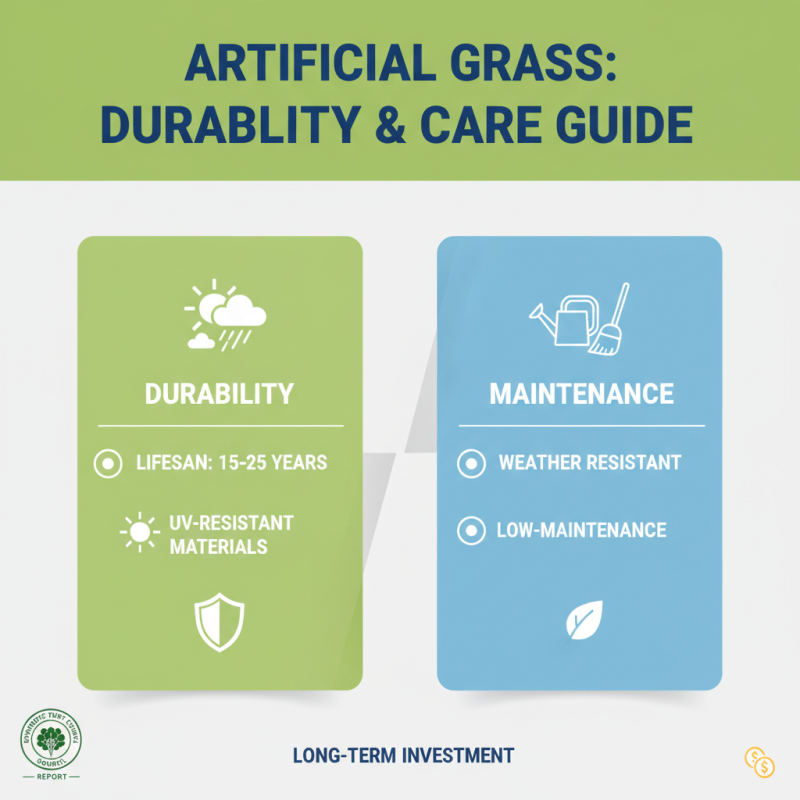
When selecting the best artificial grass for your lawn, understanding durability and maintenance requirements is crucial. High-quality synthetic lawns are designed to withstand various weather conditions while retaining their appearance and functionality over time. According to a report by the Synthetic Turf Council, the lifespan of top-tier artificial grasses can range from 15 to 25 years, making them a long-term investment for homeowners. Moreover, choosing products made from UV-resistant materials can significantly enhance their durability, particularly in regions with intense sunlight.
Maintenance requirements also play a vital role in the decision-making process. One of the significant advantages of artificial grass is that it requires substantially less upkeep compared to natural lawns. Regular maintenance often includes raking debris and hosing down to remove dust and dirt. A study by the American Society of Landscape Architects indicates that homeowners can save up to 70% on water bills when opting for synthetic grass, which is particularly beneficial in drought-prone areas.
When selecting artificial grass, consider choosing options with a thatch layer, which mimics the natural look of grass and aids in drainage. Additionally, ensure the infill material used meets safety and environmental standards, which can contribute to a more pleasant experience for pets and children. Investing in durable, low-maintenance artificial grass not only enhances the aesthetics of your lawn but also provides practical benefits for years to come.
When selecting artificial grass for your lawn, aesthetic appeal and color options play pivotal roles in achieving a natural look and feel. Choosing the right shade of green is crucial, as it can greatly influence the visual harmony of your outdoor space. Look for a range of options — from vibrant emerald to more subdued olive tones — and consider how these colors complement your existing landscape features. A well-chosen shade can enhance the overall appearance of your garden, blending seamlessly with surrounding plants and structures.
Additionally, texture is an important aspect of aesthetic appeal. High-quality artificial grasses often mimic the softness and realism of natural grass. Evaluating different pile heights and densities will help you find a product that not only looks authentic but also feels pleasing underfoot. It's advisable to see samples in person, as the play of light can change how colors appear outdoors. By assessing both color options and texture, you can ensure that your choice of artificial grass will bring a refreshing, lush look to your lawn while maintaining a high level of durability and function throughout the seasons.
When selecting artificial grasses for your lawn, the environmental impact should be one of the foremost considerations. Many synthetic grass products are made from non-renewable resources, raising concerns about their ecological footprint. Opting for greenery that utilizes recycled materials can significantly reduce waste and pollution. Additionally, consider those that have a longer lifespan. A higher durability not only leads to lower replacement frequency but also lessens the overall carbon footprint associated with the production and disposal of artificial turf.
Safety standards are equally critical when choosing artificial grass. Look for products that are free from harmful chemicals such as lead and phthalates, which can pose health risks to both humans and pets. Certifications from reputable organizations can help ensure that the artificial grass meets stringent safety guidelines. Moreover, consider the infill materials used; selecting natural or eco-friendly options can minimize any potential health hazards. Ultimately, making informed decisions about the environmental and safety aspects of artificial grasses can contribute positively to your lawn's ecological impact while ensuring a safe environment for your family.
| Tip Number | Tip Description | Consideration | Safety Standards |
|---|---|---|---|
| 1 | Choose UV-resistant grass to prevent fading. | Durability and appearance longevity. | ASTM D256 - Standard Test Methods for Determining the Energy of Impact. |
| 2 | Consider infill materials like sand or rubber. | Safety, drainage, and cushioning. | EPA guidelines for product safety. |
| 3 | Look for environmentally friendly materials. | Sustainability and eco-friendliness. | Certifications by the Green Building Council. |
| 4 | Evaluate pile height based on use. | Aesthetics and functionality. | N/A |
| 5 | Examine the drainage capabilities of the grass. | Prevent waterlogging and mold growth. | ISO 14001 - Environmental Management Standards. |
| 6 | Research the manufacturer's warranty. | Peace of mind and quality assurance. | N/A |
| 7 | Check for non-toxic materials. | Safety for pets and children. | CPSC guidelines for consumer safety. |
| 8 | Understand maintenance requirements. | Long-term cost and effort. | N/A |
| 9 | Ask for samples before purchasing. | Evaluate texture and appearance. | N/A |
| 10 | Consider the local climate suitability. | Performance and longevity. | N/A |
When considering the installation of artificial grass for your lawn, budgeting for both the initial installation and the long-term costs is essential. According to the Synthetic Turf Council, the upfront cost for installing artificial grass typically ranges from $5 to $20 per square foot, depending on the quality and type of grass selected. While this can seem significant, it’s crucial to weigh these costs against the long-term savings. Homeowners can save approximately 55% on water bills annually, as artificial grass requires minimal to no watering. Additionally, the reduced need for fertilizers and pesticides further cuts down on ongoing maintenance expenses.
In terms of lifespan, high-quality artificial grass can last between 15 to 25 years, representing a solid return on investment when compared to natural grass, which often requires more frequent re-seeding, watering, and maintenance activities. A report by the American Society of Landscape Architects indicates that the maintenance costs for natural grass can accumulate to over $100 per year for a typical lawn, while artificial grass minimizes these expenses significantly. Ultimately, understanding the total cost of ownership, including installation and upkeep, allows homeowners to make informed decisions that align with their budget and landscaping goals.