Why Choose Fake Plants Over Real Ones? The Benefits You Need to Know!
When it comes to decorating our homes and workspaces, the choice between real plants and fake plants can be a pivotal decision. While real plants bring a sense of life and vitality into any space, they often require significant maintenance and care. In contrast, fake plants offer a plethora of benefits that make them an increasingly popular choice among homeowners and decorators alike. From low upkeep to lasting beauty, these artificial alternatives serve as an ideal solution for those seeking to add greenery without the hassle of watering, pruning, and dealing with pests.
One major advantage of fake plants is their ability to stay vibrant and beautiful all year round. Unlike real plants that can wilt, fade, or even die due to environmental conditions or neglect, fake plants maintain their fresh appearance regardless of the season. Additionally, they can be placed in areas with limited sunlight, allowing for versatile decorating options in any room. Moreover, fake plants are an ideal choice for individuals with allergies, as they do not produce pollen or require soil, thus minimizing allergens in the indoor environment.
Ultimately, choosing fake plants over real ones can significantly enhance your space while alleviating the stress and time commitment associated with plant care. In the following sections, we will delve deeper into the numerous benefits that fake plants offer, highlighting why they may be the perfect choice for your home décor needs.
Advantages of Fake Plants in Home Decor
When it comes to home decor, fake plants offer several advantages that make them a popular choice. One of the primary benefits is their low maintenance. Unlike real plants that require regular watering, sunlight, and attention to thrive, artificial plants stay vibrant and beautiful without the need for care. This is particularly appealing for individuals with busy lifestyles or those who travel frequently, as they can enjoy the aesthetics of greenery without the added responsibility.
Another significant advantage of fake plants is their versatility in design. Available in a wide variety of styles, colors, and sizes, these artificial options can fit seamlessly into any decor theme—from minimalistic to extravagant. They can also be placed in any environment without worrying about sunlight exposure or temperature fluctuations. Additionally, fake plants are allergy-friendly, making them suitable for households where individuals may suffer from pollen allergies. With these benefits, it's easy to see why fake plants are a favored option for enhancing home interiors.
Maintenance and Care: Fake vs. Real Plants
When it comes to maintaining indoor greenery, the choice between
fake
and
real plants
often boils down to convenience and care requirements. According to a survey by the
American Horticultural Society,
60% of plant owners cite struggles with plant care as a major reason for opting out of keeping live plants.
Unlike their real counterparts, fake plants require no watering, pruning, or pest control, making them an ideal solution
for busy lifestyles or environments lacking adequate sunlight.
Tip: Choose high-quality faux plants made from UV-resistant materials to ensure they maintain their vibrant colors and textures,
replicating the look of real foliage without fading over time.
Furthermore, real plants can often be delicate and require specific conditions to thrive, while faux plants can be placed anywhere
without the need for light or special care. A report from the
National Gardening Association
states that 30% of people give up on houseplants due to maintenance challenges. This statistic highlights the appeal of artificial plants,
which allow individuals to enjoy the beauty of greenery without the associated commitment.
Tip: Consider rotating your fake plants regularly to freshen up your space and prevent any "stale" decor look,
keeping your environment lively and inviting.
Allergy Considerations: Benefits of Artificial Plants
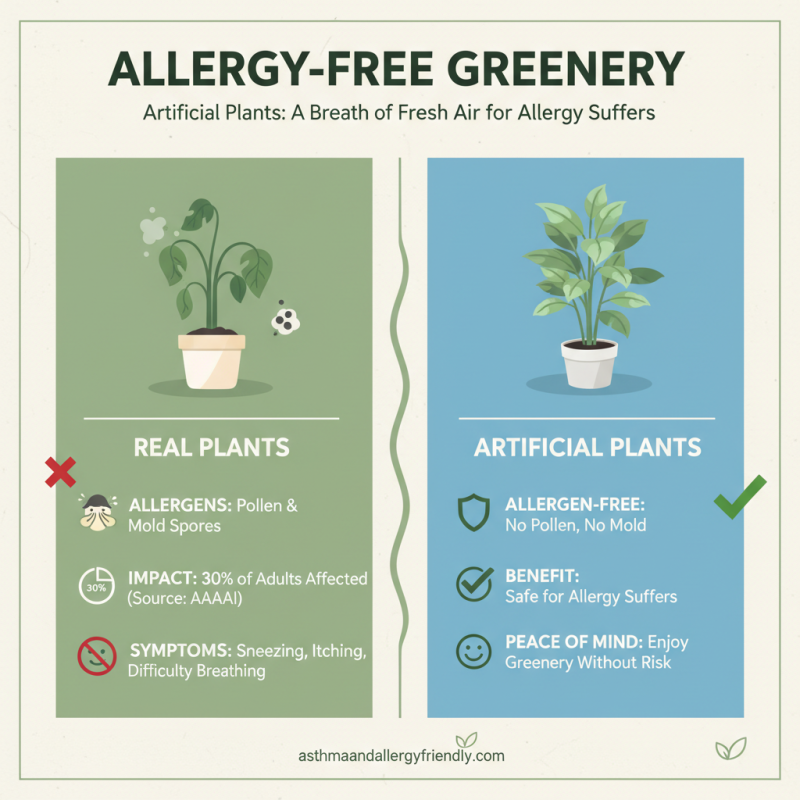
When considering the benefits of artificial plants, allergy considerations play a significant role. For many individuals, real plants can trigger allergic reactions due to mold spores or pollen. According to a report by the American Academy of Allergy, Asthma & Immunology, approximately 30% of adults suffer from allergies that could be exacerbated by indoor plants. In contrast, artificial plants provide an allergen-free alternative, allowing people to incorporate greenery into their spaces without the risk of allergic symptoms.
Moreover, artificial plants require no maintenance, eliminating the need for watering and pruning, which can inadvertently foster mold growth in real plants. A study conducted by the National Institute of Health found that mold levels in homes with many real plants can be significantly higher than in those with only artificial specimens. By choosing faux foliage, individuals can enjoy the aesthetic benefits of plants while creating a healthier indoor environment, free from the allergens often associated with their living counterparts.
Cost-Effectiveness: Long-Term Savings with Fake Plants
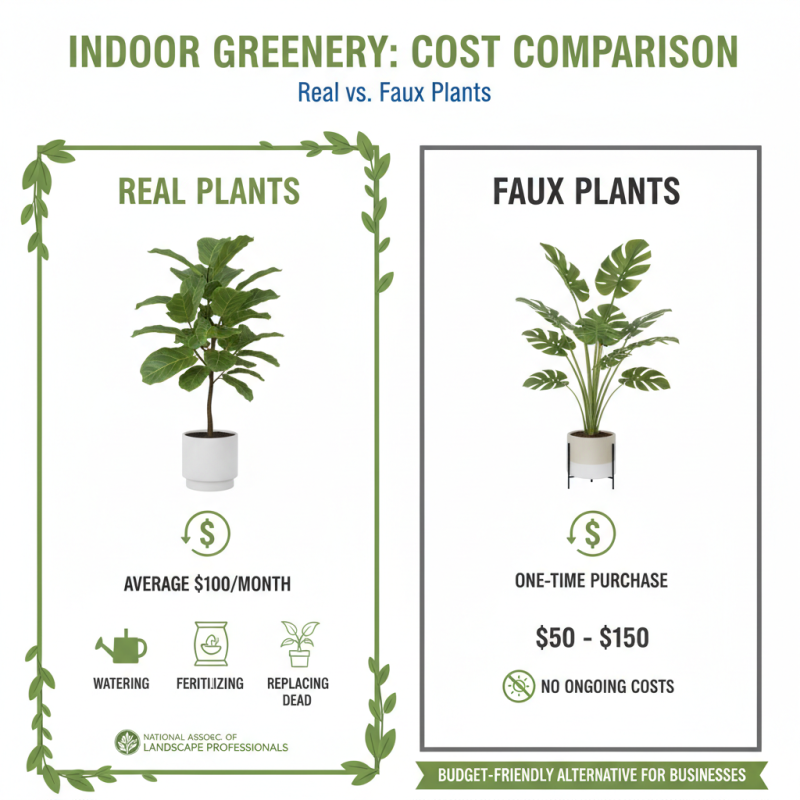
When considering indoor greenery, cost-effectiveness often plays a pivotal role in the decision-making process. According to the National Association of Landscape Professionals, the maintenance and care for real plants can sum up to an average of $100 per month when considering watering, fertilizing, and replacing dead plants. In contrast, faux plants offer a one-time purchase cost, which can be significantly lower over time. For instance, a high-quality artificial plant may cost around $50-$150, and once purchased, it requires no ongoing costs, making it a budget-friendly alternative, especially for businesses looking to enhance their aesthetic without ongoing financial strain.
Moreover, research by the American Society of Horticultural Science indicates that the lifespan of artificial plants can far exceed that of real ones, often lasting several years or even decades with proper care. This longevity means that while the initial investment might seem comparable, the long-term savings can be substantial. Businesses and homeowners alike can benefit from reduced spending on maintenance, replacement, and the potential costs associated with the care of real plants, positioning fake plants as a practical choice for those looking to enjoy the benefits of greenery without the financial commitment involved.
Variety and Versatility: Aesthetic Options with Fake Plants
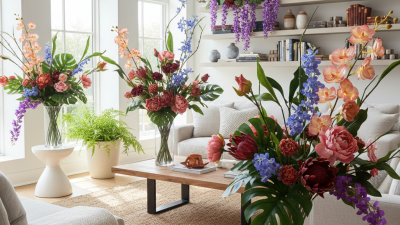
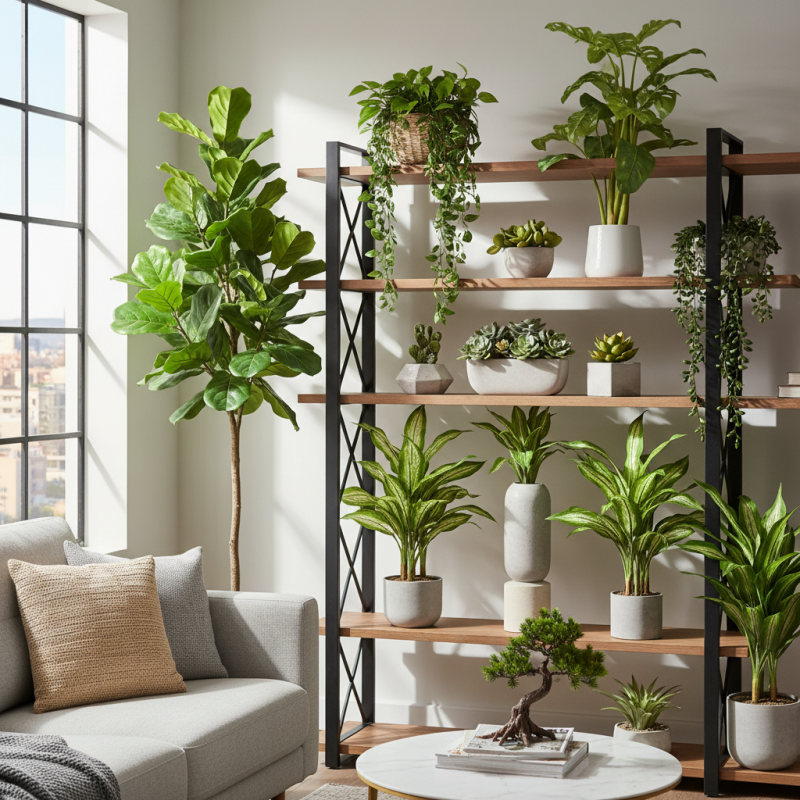
When it comes to decorating your space, the choice between fake plants and real plants often sparks a debate. One significant advantage of artificial plants is the incredible variety and versatility they offer. Available in countless shapes, sizes, and colors, faux plants can seamlessly fit into any decor style, whether it’s modern, rustic, or eclectic. You can find everything from elegant orchids to towering fiddle leaf figs, allowing you to create a personalized aesthetic that complements your unique taste.
Moreover, fake plants require no maintenance, making them an ideal choice for busy individuals or those who may not have a green thumb. Unlike real plants that may need specific care, such as watering, sunlight, and pruning, artificial options can be placed anywhere without concern for environmental conditions. This opens up a wealth of possibilities for creativity in design; you can adorn spaces like bathrooms or windowless rooms with greenery that might struggle to thrive otherwise. By choosing fake plants, you not only enhance your decor but also enjoy the freedom and flexibility to switch up your aesthetics whenever you desire.