What are the Benefits of Using Fake Plants in Your Home?
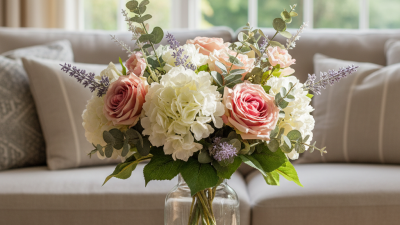
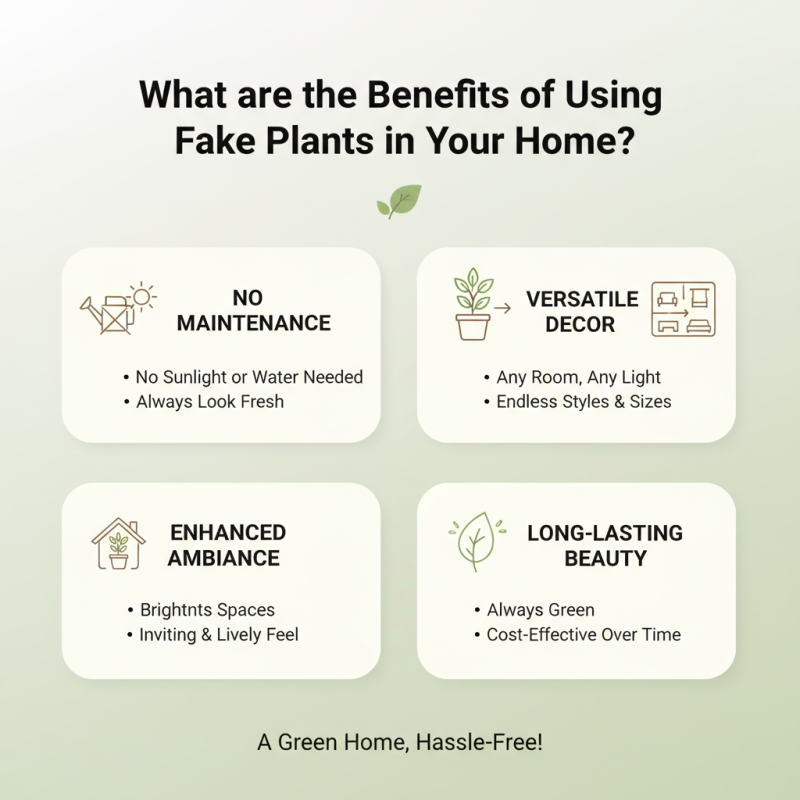
Fake plants have surged in popularity among homeowners seeking to enhance their living spaces. These artificial greens bring a touch of nature indoors without the maintenance that real plants require. They can brighten a room and create an inviting atmosphere, making your space feel more lively.
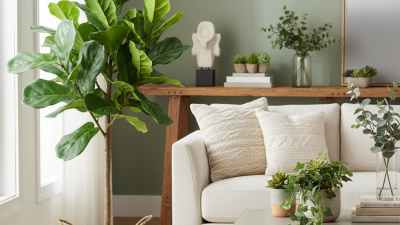
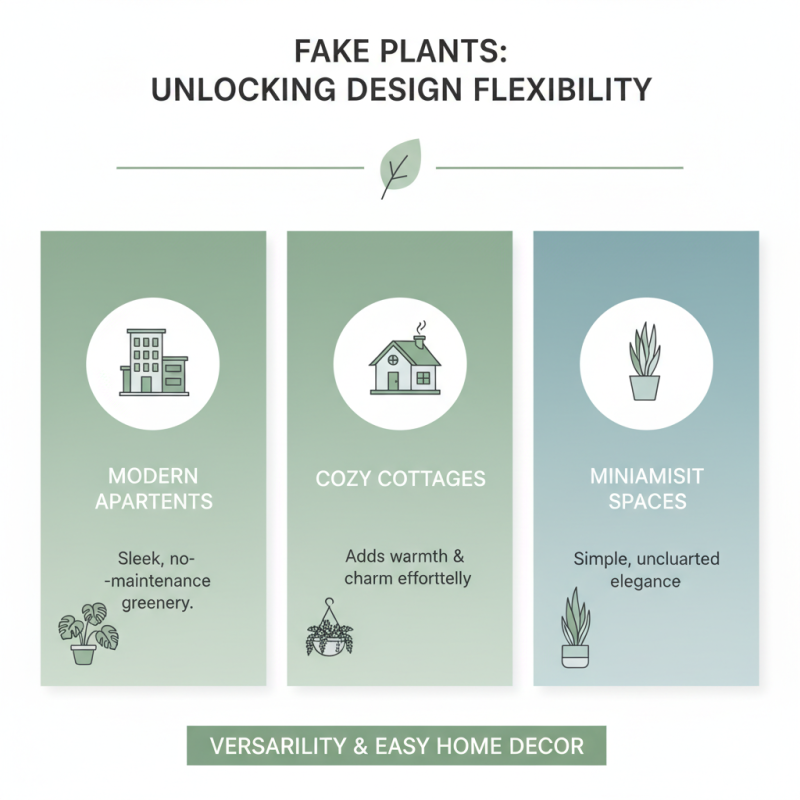
Moreover, fake plants offer practicality. They don’t need sunlight or water, making them suitable for areas where natural light is limited. This convenience allows more creativity in decorating. You can place fake plants in your kitchen, bathroom, or even in small apartments without worrying about environmental needs. The diversity in styles and sizes ensures there is a perfect option for every decor theme.
However, while fake plants provide numerous advantages, they can sometimes lack the authentic feel of real greenery. Some people might argue they miss the vitality that live plants bring. Yet, the ever-evolving quality of fake plants often minimizes this gap, making them remarkably realistic. Embracing fake plants could be the answer for those who appreciate aesthetics but struggle with plant care.
Benefits of Fake Plants for Home Decor
Fake plants have become a popular choice for home decor. They offer numerous benefits that enhance the aesthetic of any space. Unlike real plants, fake plants require no water, sunlight, or special care. This makes them an ideal option for busy individuals or those without a green thumb. A vibrant fake plant can brighten a room and add a touch of nature without the hassle.
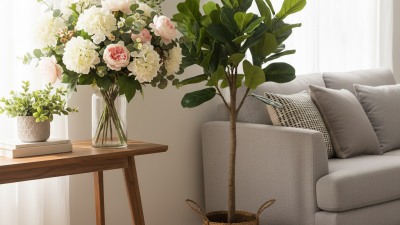
Additionally, fake plants are perfect for any environment. They thrive in places where real plants struggle, such as low-light areas or rooms with extreme temperature fluctuations. Placing a striking fake tree in an empty corner can transform the space. Their longevity is another advantage; no need to replace them yearly. However, some people might find it challenging to choose authentic-looking plants. It can take effort to find quality pieces that don’t look plastic.
Moreover, fake plants can evoke a sense of calm and happiness. Studies show that greenery, even artificial, can improve mood and reduce stress. Arranging fake plants throughout your home can create a more inviting and warm atmosphere. Taking time to place them thoughtfully encourages personal expression, even if it's a little imperfect. Ultimately, fake plants are a reliable and flexible option for enhancing your living environment.
Benefits of Using Fake Plants in Your Home
This chart illustrates the various benefits of using fake plants in home décor, showing that low maintenance is the most appreciated aspect, followed by being allergy-friendly and cost-effective.
Low Maintenance Requirements of Artificial Plants
Using artificial plants in your home offers significant benefits, particularly regarding their low maintenance requirements. Unlike real plants, fake greenery doesn't need watering, pruning, or fertilizing. This convenience is ideal for busy individuals or families with hectic schedules. Research indicates that maintaining real plants can take up to 30 minutes weekly. In contrast, artificial plants require only occasional dusting. This time-saving aspect is a considerable draw for many.
Additionally, studies show that around 70% of households struggle with plant care. This often leads to frustration and, ultimately, plant death. Many people lack the expertise or environment to grow live plants. Artificial options can help change that narrative. They are versatile and can fit in any room without the fear of wilting. Furthermore, they are available in various styles and sizes, enabling homeowners to customize their decor effortlessly.
However, it's essential to reflect on the environmental impact of artificial plants. While they save time and hassle, the production process can involve non-biodegradable materials. This aspect raises valid concerns about long-term sustainability. Balancing convenience and ecological responsibility remains a point worth discussing. Ultimately, using fake plants can simplify life, but awareness of their environmental footprint is crucial.
Allergy-Friendly Alternatives to Real Plants
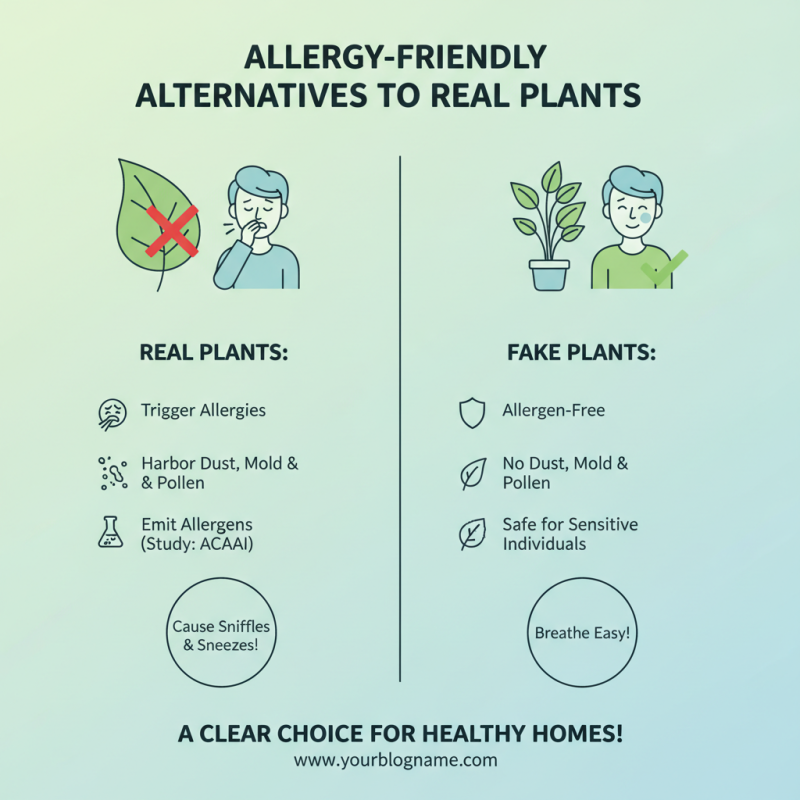
Fake plants offer a valuable alternative for those concerned about allergies. Real plants can harbor dust, mold, and pollen, triggering allergic reactions. According to a study by the American College of Allergy, Asthma, and Immunology, indoor plants can emit allergens that affect sensitive individuals. Fake plants, however, do not release these irritants, making them a safe choice for homes with allergy sufferers.
Consider this: fake plants are virtually maintenance-free. Unlike real plants, they don't require watering or special light conditions. This makes them an ideal option for busy individuals or those without a green thumb. They can enhance indoor aesthetics without the risk of allergens. This trend is gaining traction; studies indicate that over 30% of households prefer faux foliage due to allergy concerns.
Tip: When selecting fake plants, opt for those made with high-quality materials. This ensures durability and a more realistic appearance. Regular cleaning with a damp cloth can help maintain their aesthetic appeal. Remember, a few well-placed fake plants can transform a room, adding warmth without compromising health.
Cost-Effectiveness Compared to Real Plants
Fake plants have become a popular choice in home décor for many reasons. One of the main advantages is their cost-effectiveness compared to real plants. Real plants often require a significant investment in terms of purchase price, soil, pots, and fertilizers. Over time, the cost of maintaining them can add up. In contrast, fake plants are typically less expensive upfront and require no maintenance costs, making them a budget-friendly option.
When choosing fake plants, it’s essential to look for realistic options. Some faux plants mimic the texture and color of real foliage remarkably well. They can fill spaces with greenery without the added costs of watering and sunlight requirements. Consider placing them in various rooms to enhance the ambiance without the upkeep.
Tip: Dust your fake plants regularly. Just because they don’t need watering doesn’t mean they’re maintenance-free. Another tip is to mix heights and textures. This creates visual interest, making your space more dynamic. Remember, while fake plants are cost-effective, they lack the benefits of air purification and natural beauty that live plants provide.
What are the Benefits of Using Fake Plants in Your Home? - Cost-Effectiveness Compared to Real Plants
| Benefit |
Fake Plants |
Real Plants |
| Cost |
Lower initial investment |
Higher ongoing costs (soil, pots, etc.) |
| Maintenance |
No watering or pruning needed |
Regular care required |
| Longevity |
Last indefinitely with proper care |
Limited lifespan; can die or wilt |
| Allergy-Friendly |
No pollen or allergens |
May cause allergies in some individuals |
| Versatility |
Available in various styles and sizes |
Limited to specific species |
| Placement Flexibility |
Can be placed in low-light areas |
Requires suitable lighting conditions |