Discover the Best Fabric Flowers for Your Global Sourcing Needs?
In the world of design and decor, Fabric Flowers have gained immense popularity. Their versatility makes them a preferred choice for many industries, including fashion, home decor, and events. Sourcing the best Fabric Flowers can be challenging. The market is vast, filled with numerous options and suppliers.
Understanding the characteristics of Fabric Flowers is essential. They offer durability and aesthetic appeal, which natural flowers cannot provide. However, not all Fabric Flowers are created equal. Some may lack vibrancy or quality. Consumers must evaluate their needs carefully.
It's important to seek reliable suppliers who understand the nuances of Fabric Flowers. Quality is paramount. Some vendors may prioritize profit over craftsmanship. This can result in subpar products. A keen eye and informed choices will ensure satisfaction with your global sourcing needs.
Understanding Fabric Flowers and Their Global Appeal
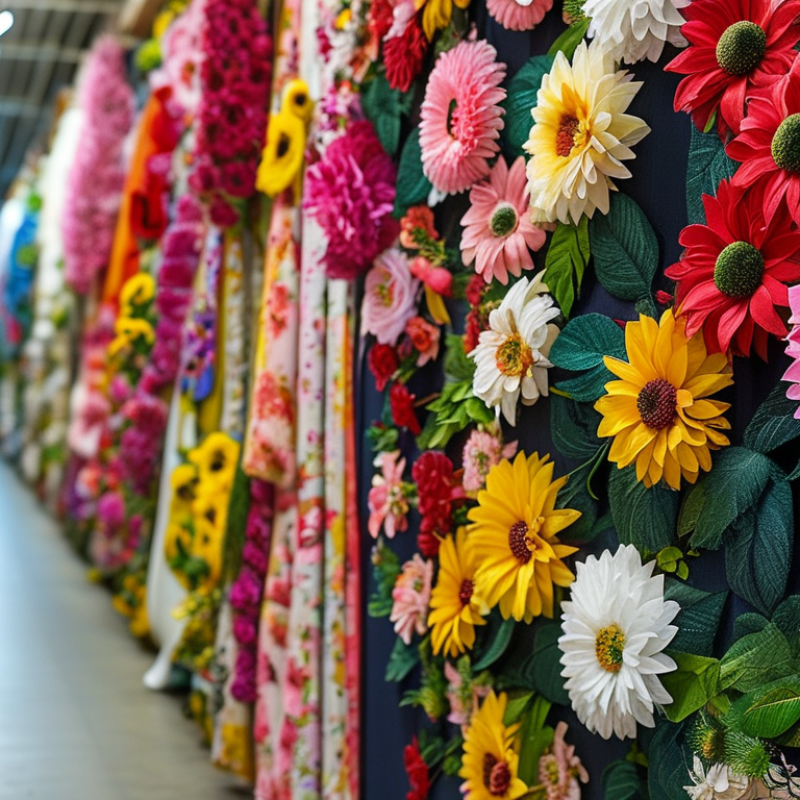
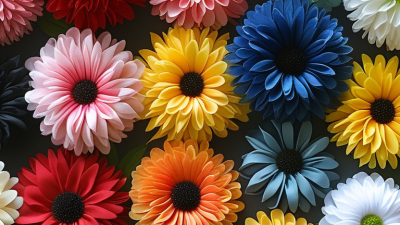
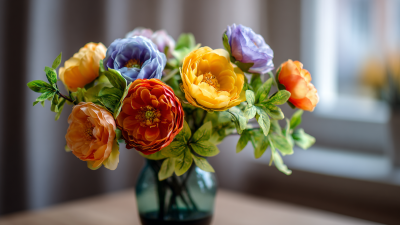
Fabric flowers have gained global popularity, attracting designers and consumers alike. Their appeal lies in versatility and durability. Unlike real flowers, they never wilt and maintain their beauty over time. These blooms come in various colors, shapes, and sizes, making them ideal for numerous applications. From home decor to fashion accessories, fabric flowers add a unique touch to any project. But sourcing the best options requires an understanding of different materials and crafting techniques.
When selecting fabric flowers, consider the craftsmanship involved. Quality can vary significantly across suppliers. Some manufacturers use synthetic fabrics, while others may opt for natural fibers like cotton or linen. Each material has its character, affecting the final look and feel. It’s essential to evaluate both the aesthetic and functional aspects of these flowers. Sourcing ethically made products is also a growing concern. The desire for sustainability is pushing more consumers to seek out companies that adhere to eco-friendly practices.
Despite their advantages, sourcing fabric flowers is not without challenges. The market is saturated, and distinguishing quality products can be tricky. Additionally, variations in craftsmanship can lead to inconsistent results. Buyers need to stay informed about emerging trends and materials in the landscape. This awareness can enhance sourcing decisions while ensuring the final products meet intended standards. As the global market continues to evolve, understanding these nuances becomes vital for successful sourcing.
Types of Fabric Flowers for Various Applications
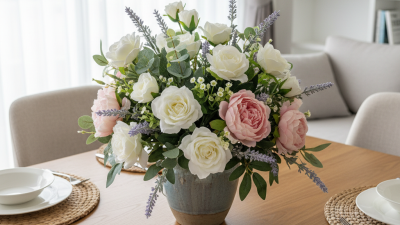
Fabric flowers have gained popularity for their versatility and aesthetic appeal. Various applications require different types of fabric flowers. For instance, silk flowers are often used in wedding decorations due to their elegant appearance. They mimic real flowers closely and are lightweight. However, they can sometimes look overly perfect, which may not suit all tastes.
Another option is polyester flowers. These are durable and resistant to fading. They work well for outdoor events or displays. However, their texture can be less lifelike compared to silk. Eventually, users might find their choice influenced by the specific setting or occasion.
For crafting projects, felt flowers offer a unique charm. They come in vibrant colors and a variety of shapes, perfect for personalizing items. The downside is that felt flowers may not provide the same elegance as silk or polyester. Each type of fabric flower has its pros and cons, highlighting the importance of choosing wisely based on the intended application. Making an informed choice can reveal new potentials or hidden shortcomings.
Discover the Best Fabric Flowers for Your Global Sourcing Needs
| Type of Fabric Flower |
Material |
Best Uses |
Color Options |
Durability |
| Silk Flowers |
Silk |
Weddings, Home Decor |
Various |
High |
| Polyester Flowers |
Polyester |
Crafting, Event Decor |
Multiple |
Medium |
| Velvet Flowers |
Velvet |
Luxury Decor, Accessories |
Rich Colors |
High |
| Canvas Flowers |
Canvas |
Outdoor Events, Costumes |
Bright Colors |
Medium |
| Artificial Foam Flowers |
Foam |
Children's Crafts, Costumes |
Various |
Low |
Considerations for Sourcing Fabric Flowers Internationally
When sourcing fabric flowers internationally, quality and design are key factors to consider. Selecting the right materials can significantly impact the final product's aesthetic appeal. Different regions may offer unique textiles that enhance the flowers' look. For instance, some countries specialize in silk, while others excel in synthetic alternatives. This diversity can help meet various market needs.
When evaluating suppliers, focus on their production practices. Are they transparent? Do they follow sustainable methods? It is important to communicate your expectations clearly. Knowledge about the supplier’s background can offer insights into their reliability. Try requesting samples to assess the fabric quality and craftsmanship before committing to larger orders.
Consider shipping logistics as well. Costs can vary significantly based on the supplier’s location. Factor in potential tariffs and delivery timelines. Think about how these elements will impact your overall budget. Collaborate closely with your chosen vendor to navigate any international hurdles effectively. Understanding cultural nuances can also play a role in establishing a successful partnership.
Top Suppliers and Markets for Fabric Flowers
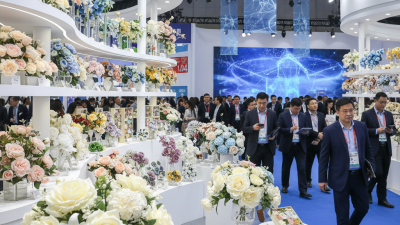
When searching for fabric flowers, knowing the best suppliers and markets is crucial. Insights from industry reports indicate that the global fabric flower market is expected to grow significantly, reaching a valuation of approximately $2 billion by 2025. This surge is driven by increasing demand in sectors like home decor and fashion accessories.
Key markets include Asia-Pacific, where countries like China and India dominate in production. These nations provide affordable prices and vast selections. Reports show that approximately 60% of fabric flowers are sourced from this region. With numerous suppliers available, quality and pricing may vary greatly. It’s essential to conduct due diligence to ensure reliability.
Keep in mind the challenges in sourcing. Long lead times and fluctuating material costs can affect your supply chain. Evaluating multiple suppliers is wise. Accessing online platforms can give you insights into customer reviews and testimonials. This information can guide you in making informed decisions. Always reflect on your sourcing strategy to enhance efficiency and effectiveness.
Sustainability and Trends in Fabric Flower Production
Sustainability has become a key focus in the production of fabric flowers. As consumers demand eco-friendly options, manufacturers are exploring sustainable materials. Organic cotton, recycled fabrics, and biodegradable alternatives are on the rise. These choices not only reduce environmental impact but also attract conscientious buyers.
Trends indicate a shift toward natural aesthetics. Designers are incorporating earthy tones and textures, reflecting a connection to nature. However, the challenge lies in balancing aesthetics with sustainability. Often, cheaper synthetic materials can overshadow eco-friendly alternatives, compromising the integrity of the product.
Additionally, innovation is vital. New techniques in fabric manipulation and dyeing processes are emerging, but they require investment and expertise. There are concerns about consistency and durability. As the industry adapts, stakeholders must remain vigilant, striving for reliability while still embracing change. Each step in this journey is a learning opportunity, pushing the boundaries of traditional fabric flower production.