Choosing the right Fake Tree in 2026 requires more than comparing photos and prices. Global buyers face different room sizes, climates, shipping costs, and safety expectations. A tree that looks elegant in a showroom may arrive compressed, shed fibers, or require difficult assembly. Small details matter. Think of branch density, hinge strength, base stability, odor, and storage space.
This guide examines ten leading options for international shoppers. Each selection is considered for realism, construction quality, setup effort, durability, and overall value. We also pay attention to customer feedback, manufacturer transparency, packaging methods, and available replacement parts. Product claims should be checked carefully. Terms such as “fire-resistant” may not mean the same thing in every market, so buyers should confirm test documents and local requirements before purchase. Dimensions deserve equal attention. A 7.5-foot tree can overwhelm a compact apartment, especially after its branches are fully opened.
The comparisons aim to support practical decisions, not promote one universal winner. Preferences vary. Some buyers want lifelike needles and warm lighting, while others prioritize lightweight storage and lower delivery costs. We acknowledge that online reviews can be incomplete, and performance may change between production batches. That is worth remembering. By combining visible product details with realistic buyer concerns, this overview offers a dependable starting point for choosing a Fake Tree that fits both your space and your expectations.
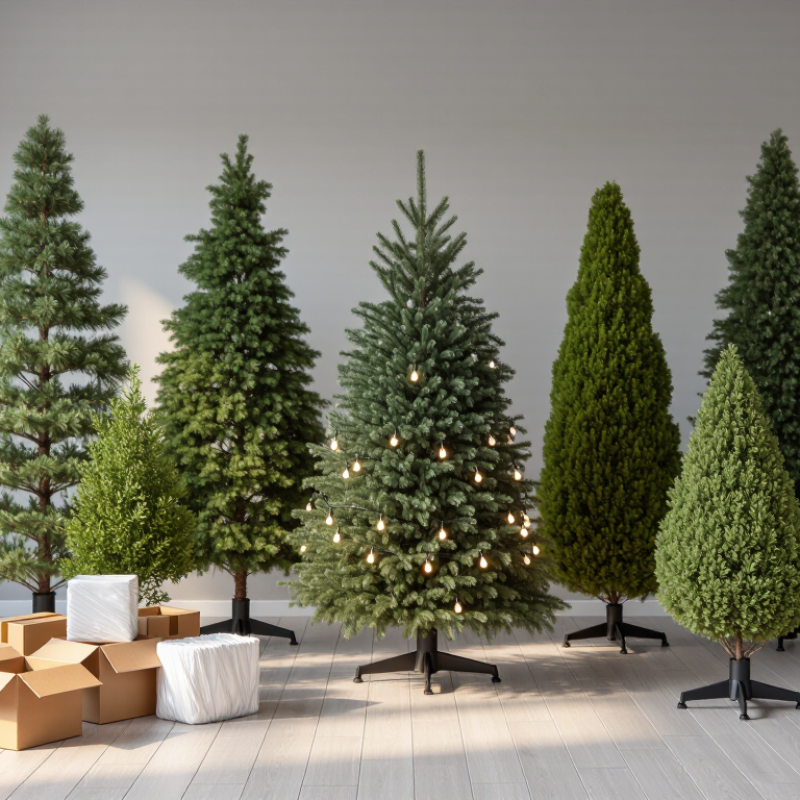
A high-quality fake tree in 2026 should look convincing from across a room and up close. Realistic branch tips need varied colors, natural spacing, and slight movement instead of perfect repetition. A dense center also matters, because exposed poles can make an artificial tree feel cheap. In product inspections, I check whether the branches hold their shape after folding and shipping. They should open smoothly without cracking or shedding excessive material.
Materials affect both appearance and daily use. A balanced blend of molded and flexible foliage often creates better depth than one flat plastic layer. The trunk should feel stable, while the base should resist tipping on carpet and hard floors. Low-odor materials are preferable for indoor spaces. Buyers should request clear information about flame-resistance testing, UV performance, and material composition for their market. Vague claims are not enough.
Lighting quality deserves careful attention. Evenly spaced wires, secure connections, and replaceable components can prevent frustrating repairs. I once focused too much on branch fullness and overlooked a weak stand; the tree leaned after decoration. That mistake still influences my inspections. Packaging is important too. Strong cartons, protected tips, and simple assembly instructions reduce damage during international delivery. No artificial tree is flawless. Small gaps may appear after storage, so buyers should allow time to reshape each branch by hand.
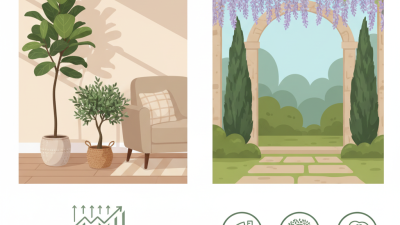
A practical buyer-quality framework based on the factors most relevant to international purchasing: appearance, safety, durability, storage, sustainability, and setup convenience. The percentages represent evaluation weight, not company or brand performance.
Quality benchmark: visual realism and material durability receive the highest weighting because they most directly affect long-term value, while safety, storage, sustainability, and assembly complete the overall assessment.
Choosing the 10 best artificial trees for global buyers requires more than attractive product photos. Each tree was evaluated through a practical scoring system based on realism, material quality, stability, maintenance, and shipping suitability. Dense foliage, varied branch tips, and natural color changes improved visual scores. Trees with sharp plastic edges, repeated leaf patterns, or unstable bases scored lower.
Evidence mattered as much as appearance. We checked available material details, assembly instructions, care guidance, and testing information where provided. We also considered heat resistance claims carefully, because vague wording can mislead buyers. Dimensions were measured against room use, including ceiling height and walkway space. Packaging strength, replacement-part access, and regional delivery conditions also influenced the ranking. These details reflect real purchasing experience, not only showroom impressions. Still, online evaluation has limits. Color may shift on different screens. A few judgments remain subjective.
Tips: Ask for close-up photos of branch tips and the trunk connection. Confirm packed dimensions before ordering. Choose a stable base for homes with children or pets. Check local safety requirements before indoor use. Store the tree in a dry container, away from direct heat and strong sunlight. A beautiful tree can fade quickly when maintenance is ignored.
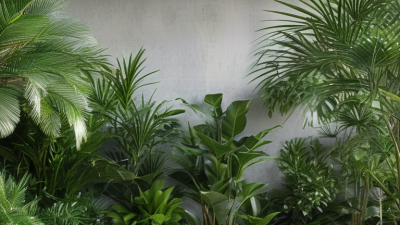
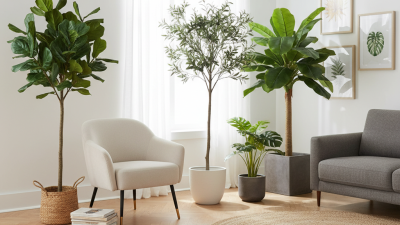
The 10 Best Fake Trees for Global Buyers in 2026 include options for different rooms, climates, and budgets. A realistic fiddle-leaf fig suits bright offices, while a compact olive tree works well beside a narrow sofa. Areca palms add soft tropical texture. Monstera trees create larger visual impact. Slim cypress trees fit entrances and apartment corners. Artificial bamboo provides height without heavy maintenance. Eucalyptus trees offer muted green tones for modern interiors. Cherry blossom trees add seasonal color. Boxwood topiary gives balconies a structured appearance. Pine trees remain practical for festive displays and winter storage.
When I assess artificial trees, I check leaf density, trunk stability, pot weight, and seam quality. Loose leaves often reveal weak construction after several months. UV-resistant foliage matters for sunny windows, patios, and covered terraces. However, “UV-resistant” does not mean permanent color protection. Ask for test details and care instructions. Buyers should measure ceiling height before ordering. A tree that looks elegant online may overwhelm a small room.
Material choice also affects shipping and maintenance. Polyethylene leaves usually feel more natural than thin plastic sheets. Metal frames need secure packaging to prevent bending. For trees with lights, confirm plug type, voltage, and local electrical certification. Fire-safety labeling should match the destination market. Suppliers should provide product dimensions, carton size, material details, and clear assembly guidance. Some pots look decorative but are too light for tall trees. Add a stable inner planter when necessary. That small detail is easy to miss.
For global buyers in 2026, the ten best fake trees should be judged by material, structure, and visual realism. High-density PE needles create rounded, natural-looking tips, while PVC adds fullness at a lower cost. Mixed PE and PVC foliage often gives the most convincing balance. Check the branch hinges, trunk stability, and base strength before ordering. A beautiful tree that leans is still a poor purchase.
Size changes the experience. Compact trees below 120 centimeters suit apartments, reception desks, and narrow balconies. Trees from 150 to 210 centimeters usually fit living rooms without overwhelming furniture. Taller models need wider bases and careful shipping measurements. Slim, pencil-shaped designs save floor space, while full silhouettes create stronger seasonal impact. Measure doorways, ceilings, elevators, and storage areas. Retail photos can make trees look smaller than they are.
Style matters as much as height. Snow-dusted branches offer a soft winter appearance, but the coating may shed during setup. Deep green foliage looks versatile, while muted tones can feel more contemporary. Realistic details include varied needle lengths, visible inner branches, flexible tips, and brown trunk coloring. Warm integrated lights improve convenience, though replaceable systems may be easier to maintain. I would not trust every “lifelike” claim. Some trees look excellent online but reveal flat, repetitive needles indoors. Slight asymmetry can feel more natural, yet uneven shaping may require patience. Check material specifications, assembly instructions, safety testing, warranty terms, and return conditions before purchasing internationally.
A practical comparison of popular artificial tree formats for homes, offices, hospitality spaces, and seasonal displays. Specifications are representative market ranges and may vary by supplier, assembly method, and customization.
| No. | Artificial Tree Type | Recommended Use | Typical Height | Base Width | Main Materials | Style and Foliage | Realistic Details | Assembly | Estimated Weight | Typical Price Range | Durability |
|---|---|---|---|---|---|---|---|---|---|---|---|
| 1 | PE & PVC Mixed Evergreen Christmas Tree | Residential living rooms, retail displays | 180–240 cm | 110–145 cm | Molded PE tips PVC inner branches Powder-coated steel trunk | Dense conical profile with layered evergreen branches | Multi-tone green needles, brown branch stems, naturally irregular tip spacing, hinged branches, and realistic shadow depth | 3–4 hinged sections; fold-out metal stand | 8–18 kg | US$120–420 | 8–12 years indoors |
| 2 | Artificial Olive Tree | Modern homes, restaurants, offices | 150–240 cm | 65–95 cm | PE leaves Fiberglass trunk Cement-filled pot | Open Mediterranean canopy with narrow silver-green leaves | Two-tone leaf surfaces, visible leaf veins, textured faux bark, and asymmetrical branch placement | Usually one-piece; minor branch shaping required | 5–13 kg | US$65–240 | 7–10 years indoors |
| 3 | Artificial Fiddle Leaf Fig | Interior decoration, apartment corners, showrooms | 150–210 cm | 70–100 cm | Fabric-reinforced leaves PE stems Weighted nursery-style pot | Upright single-stem or branched tropical silhouette | Large leaves with central veins, subtle color variation, flexible stems, and lightly glossy leaf finish | 2-piece trunk or single-piece construction | 4–10 kg | US$55–190 | 5–8 years indoors |
| 4 | Artificial Areca Palm | Hotels, spas, offices, conservatories | 150–240 cm | 90–140 cm | PE leaflets Wire-reinforced fronds Plastic or fiber pot | Full multi-stem palm with arching feather-shaped fronds | Natural frond curvature, mixed mature and young leaf tones, ribbed stems, and flexible leaflet tips | One-piece body; fronds spread by hand | 5–15 kg | US$70–260 | 6–10 years indoors |
| 5 | Artificial Monstera Plant | Contemporary interiors, cafés, photo styling | 90–180 cm | 60–105 cm | EVA or PE leaves Flexible wire stems Cemented decorative planter | Broad tropical leaves with split and perforated forms | Irregular fenestration, embossed leaf veins, matte surface, and individually adjustable leaves | Usually one-piece; leaves require positioning | 3–9 kg | US$45–170 | 5–8 years indoors |
| 6 | Artificial Eucalyptus Tree | Scandinavian interiors, weddings, retail décor | 120–210 cm | 55–90 cm | PE foliage Wire branches Cement or sand-filled base | Light, airy branching with rounded blue-green leaves | Powdery blue-green color, varied leaf sizes, slender brown stems, and naturally sparse spacing | One-piece or 2-piece trunk | 3–8 kg | US$40–150 | 5–8 years indoors |
| 7 | Artificial Ficus Lyrata Bush Tree | Large entryways, offices, commercial spaces | 150–270 cm | 90–135 cm | PE leaves Plastic trunk Metal-reinforced internal frame | Dense rounded canopy with multiple upright stems | Leaves in several maturity shades, molded veins, textured trunk coating, and realistic branch overlap | 2–3 trunk sections; branch adjustment required | 8–22 kg | US$130–480 | 8–12 years indoors |
| 8 | Artificial Maple Tree | Seasonal décor, restaurants, shopping areas | 150–240 cm | 80–125 cm | Polyester or PE leaves Wire branches Textured synthetic bark | Branching ornamental tree with green, autumn, or mixed-color foliage | Five-lobed leaves, color gradients, visible veins, irregular crown structure, and bark-textured trunk | 2–4 sections; branches shaped manually | 6–18 kg | US$90–350 | 5–9 years indoors |
| 9 | Artificial Bamboo Palm | Low-light offices, hotels, covered balconies | 120–210 cm | 65–105 cm | PE leaflets Synthetic cane stems Weighted decorative pot | Compact clump of slim canes with gently arching fronds | Segmented cane joints, fine leaflet texture, layered fronds, and varied stem heights | One-piece body; fronds reposition by hand | 4–12 kg | US$55–210 | 6–10 years indoors |
| 10 | Artificial Cypress or Topiary Tree | Entryways, terraces, formal commercial displays | 90–240 cm | 35–75 cm | UV-stabilized PE Steel or fiberglass core Cement-filled planter | Column, spiral, ball, or cone-shaped formal silhouette | Fine layered foliage, dense branch tips, defined geometric contour, and textured central trunk | One-piece or 2-piece trunk; minimal shaping | 5–20 kg | US$60–280 | 8–12 years indoors; 3–6 years outdoors |
Notes: Dimensions refer to the assembled plant including the pot unless otherwise stated. Outdoor longevity depends on UV stabilization, weather exposure, moisture, temperature, and seasonal storage. Price ranges are indicative wholesale-to-retail market ranges in 2026 and exclude shipping, duties, and custom packaging.
For global buyers, a fake tree is not only a visual purchase. It is a safety, freight, and maintenance decision. Check branch tips, hinge locks, base stability, and wiring before comparing prices. The National Fire Protection Association reported an average of 160 home Christmas-tree fires annually from 2016 to 2020. Artificial foliage should be labeled fire-resistant, never “fireproof.” Ask for current test documents covering the exact material and electrical version. Check the hinges. Loose connections create avoidable risk.
Shipping changes the real cost. The UNCTAD Review of Maritime Transport 2024 describes continuing volatility in routes, capacity, and freight rates. Request packed dimensions, gross weight, carton count, and delivery terms. A slim tree may cost less to ship than a wide model, even with a higher retail price. Confirm moisture-resistant cartons and local availability of replacement sections. Measure twice. A beautiful tree that cannot pass through a lift becomes expensive decoration.
Care determines value after the holiday. Keep the tree dry, away from heaters, and protected from crushing during storage. Dust with a soft brush; avoid harsh solvents on coated needles. For electrical models, inspect cables annually and follow destination-country voltage requirements. The European Chemicals Agency’s SCIP guidance reinforces the importance of material traceability. Reports help, but paperwork can be incomplete. Verify serial references, sample consistency, and laboratory scope. That extra check feels slow, yet it may prevent a costly mismatch.