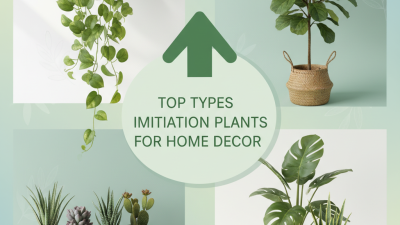
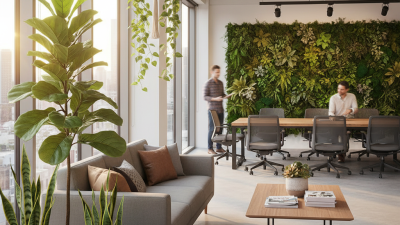
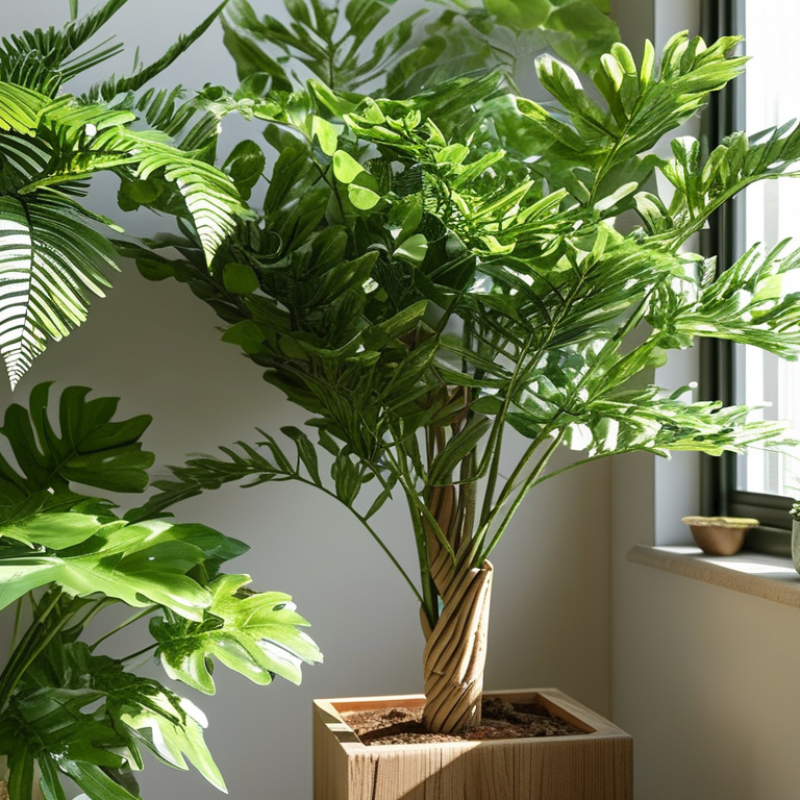
Imitation Plants are artificial versions of greenery designed to bring color and structure indoors without watering, pruning, or managing sunlight. They may use polyester leaves, molded plastic stems, silk-like fibers, or preserved natural materials. A realistic fern can soften a dark hallway, while a faux olive tree can fill an empty corner beside a sofa. The details matter. Look closely at leaf edges, stem flexibility, color variation, and the visible base.
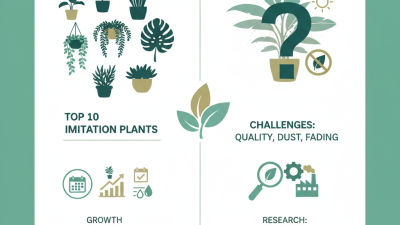
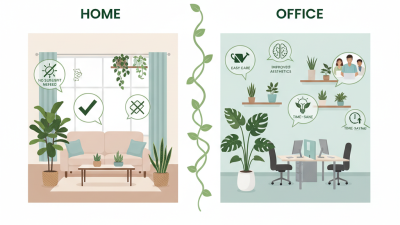
Their value depends on your space, habits, and expectations. Imitation Plants can suit busy homes, rental properties, offices, and rooms with poor natural light. They also offer predictable appearance throughout the year. However, they are not maintenance-free. Dust gathers along broad leaves, cheap finishes may fade near windows, and some products feel noticeably synthetic at close range. They cannot improve air quality like living plants, despite frequent marketing claims. That distinction deserves attention.
A reliable buying decision should compare materials, construction, size, stability, cleaning needs, and return policies. Check product photographs carefully, but treat heavily edited images with caution. Measurements help prevent a small plant from disappearing beside a large cabinet. So does viewing customer photos. My judgment may be imperfect, because realism is partly personal. Some buyers prefer botanical accuracy; others value bold color and easy care. The right choice is not always the most expensive one. It is the plant that looks convincing enough, fits the room, and continues serving its purpose after the novelty fades.
What Are Imitation Plants and Are They Worth Buying?
What Imitation Plants Are: Materials, Types, and Quality Grades
Imitation plants are decorative plants designed to copy living foliage without watering, pruning, or sunlight. Their stems often use bendable wire, while leaves are made from polyester, polyethylene, PVC, or molded foam. Each material changes the appearance. Fabric leaves show softer veins but collect dust quickly. Molded plastic keeps sharper edges and handles damp rooms better. Some higher-grade pieces combine materials, weighted pots, and layered foliage for a less repetitive shape. The details matter. However, “premium” is not a universal grade, and sellers may use the term loosely.
Tips: Press a leaf gently. It should recover without a loud crackle. Check the underside for clean coloring, secure seams, and exposed wire. Stand two metres away, then inspect it beside a window. Cheap printing often looks flat in natural light. For balconies or bright offices, check tested UV resistance and exposure limits. Indoor foliage may fade surprisingly fast. I once underestimated pot stability; a tall plant tipped when a nearby door closed. A wider base or added gravel would have helped.
Quality grades are easier to judge through construction than labels. Entry-level plants may have sparse leaves, shiny surfaces, and repeated patterns. Mid-range versions usually offer denser branching and better color variation. High-grade pieces should show natural asymmetry, realistic stem joints, and balanced proportions. They can be worth buying when maintenance savings matter, especially in dim rooms or rental spaces. Still, no imitation plant matches the movement, scent, or changing imperfections of a living one. Not always.
| Dimension | Category or Specification | Typical Characteristics | Advantages | Limitations | Best Use |
|---|---|---|---|---|---|
| Definition | Imitation plant | A decorative plant designed to resemble a living plant without requiring soil, watering, sunlight, or biological growth. | Consistent appearance and very low maintenance. | Does not provide the natural growth, fragrance, or air-filtering activity of a living plant. | Homes, offices, retail interiors, and locations with limited natural light. |
| Primary Material | Polyester fabric | Soft, lightweight leaves and petals formed from woven or nonwoven synthetic fibers. | Natural-looking texture, flexible shapes, and relatively low cost. | Can collect dust and may fade when exposed to strong sunlight for long periods. | Indoor flowers, foliage arrangements, and decorative table plants. |
| Primary Material | Polyethylene or polypropylene plastic | Molded or injection-formed leaves, stems, and foliage components. | Moisture resistance, easy cleaning, and good structural stability. | Lower-grade products may have a shiny surface or repetitive leaf patterns. | Bathrooms, kitchens, covered outdoor areas, and high-traffic spaces. |
| Primary Material | Polyurethane foam | Lightweight foam molded into thick leaves, succulents, or textured plant parts. | Can reproduce thick, fleshy forms with realistic surface detail. | May deform under heat or pressure and usually requires indoor use. | Succulents, potted tabletop plants, and small arrangements. |
| Structural Material | Wire and metal supports | Flexible or rigid internal wires used to shape stems, branches, and leaves. | Allows adjustable positioning and improves the natural spread of the plant. | Exposed or rust-prone metal can reduce durability, especially in damp environments. | Branching trees, hanging plants, and arrangements requiring custom shaping. |
| Plant Type | Artificial foliage plant | Primarily made of leaves with minimal or no flowers. | Provides year-round greenery and generally has a long decorative life. | Very cheap foliage can look flat, overly uniform, or excessively glossy. | Large floor plants, office décor, shelves, and reception areas. |
| Plant Type | Artificial flowering plant | Replicates flowers using fabric, plastic, foam, or blended synthetic materials. | Maintains color and shape without wilting or seasonal replacement. | Flower petals may reveal seams, printed details, or unnatural color transitions. | Dining areas, event décor, bedrooms, and seasonal displays. |
| Plant Type | Artificial succulent or cactus | Compact forms with thick leaves or spines, commonly made from molded plastic or foam. | Small footprint, durable structure, and easy placement in dry interiors. | Highly repetitive shapes can make inexpensive versions easy to identify as artificial. | Desks, bookshelves, bathrooms, and compact apartments. |
| Plant Type | Artificial hanging or trailing plant | Long stems or vines designed to fall over shelves, baskets, or suspended containers. | Adds vertical interest without watering or drainage requirements. | Requires secure installation and can gather dust on trailing leaves. | Wall shelves, hanging baskets, cabinets, and hospitality interiors. |
| Quality Grade | Basic grade | Usually made from thinner plastic or fabric with simpler shapes and limited color variation. | Lowest initial cost and suitable for temporary or distant-view decoration. | More visible seams, repeated patterns, fading risk, and shorter expected decorative life. | Budget projects, seasonal décor, and low-visibility locations. |
| Quality Grade | Mid-range grade | Uses more varied leaf sizes, improved coloring, stronger stems, and better-shaped containers. | Good balance between appearance, durability, and price. | Close inspection may still reveal synthetic texture or simplified botanical details. | Everyday home décor, offices, and guest-facing areas. |
| Quality Grade | High-realism grade | Features detailed veins, varied tones, flexible stems, realistic irregularity, and carefully finished edges. | Most convincing appearance and better suitability for prominent display areas. | Higher purchase price and continued need for dust removal. | Hotels, offices, reception zones, restaurants, and high-visibility interiors. |
| Durability | Indoor service life | Often remains decorative for several years when kept clean and away from intense heat and direct sunlight. | Long-term cost can be lower than repeatedly replacing short-lived fresh flowers. | Color, adhesive joints, and flexible materials can deteriorate over time. | Long-term indoor decoration with minimal upkeep. |
| Maintenance | Routine care | Usually requires dusting with a soft cloth, microfiber duster, or gentle rinse when the material permits. | No watering, pruning, repotting, fertilizing, or pest treatment. | Dust can reduce realism and may be difficult to remove from dense foliage. | Busy households, workplaces, rental properties, and low-maintenance interiors. |
| Value Assessment | Worth buying when convenience is the priority | Imitation plants are practical when light, time, travel, allergies, or maintenance limitations make living plants unsuitable. | Predictable appearance, no water damage from drainage, and no ongoing biological care. | They are not a substitute for the ecological, sensory, or living-growth benefits of real plants. | Choose a realistic material, varied foliage, stable construction, and a size appropriate to the viewing distance. |