Sourcing artificial flowers looks simple until color, texture, packaging, and delivery costs begin to compete. Rubber Flowers Artificial products can appear attractive in photographs, yet feel stiff or smell strongly when samples arrive. A reliable sourcing process must examine the details that buyers often overlook. Material composition, petal flexibility, stem strength, and surface finish all influence customer satisfaction. Small defects become obvious under bright shop lighting.
This guide presents ten practical tips for evaluating suppliers and choosing dependable artificial rubber flowers. It focuses on sample testing, factory communication, customization, quality control, and shipping preparation. Ask for current product photos, material specifications, and a clear sample before discussing large quantities. Check whether the supplier can maintain consistent color across different production batches. A dusty rose shade may look elegant online but appear purple in daylight. Test the stems by bending them gently several times. Inspect glued petals, loose leaves, and uneven edges.
Details matter.
Experienced buyers also compare packaging quality, minimum order quantities, production capacity, and response speed. A low unit price may hide expensive replacements or damaged cartons. Supplier certifications can support trust, but they should not replace independent inspection. No checklist is flawless. I have learned that attractive samples sometimes conceal weak packing methods. That possibility deserves attention. Ethical sourcing also requires transparent business practices, safe materials, accurate product descriptions, and compliance with applicable trade requirements. With careful questions and realistic testing, buyers can reduce avoidable risks and build a more dependable artificial flower supply chain.
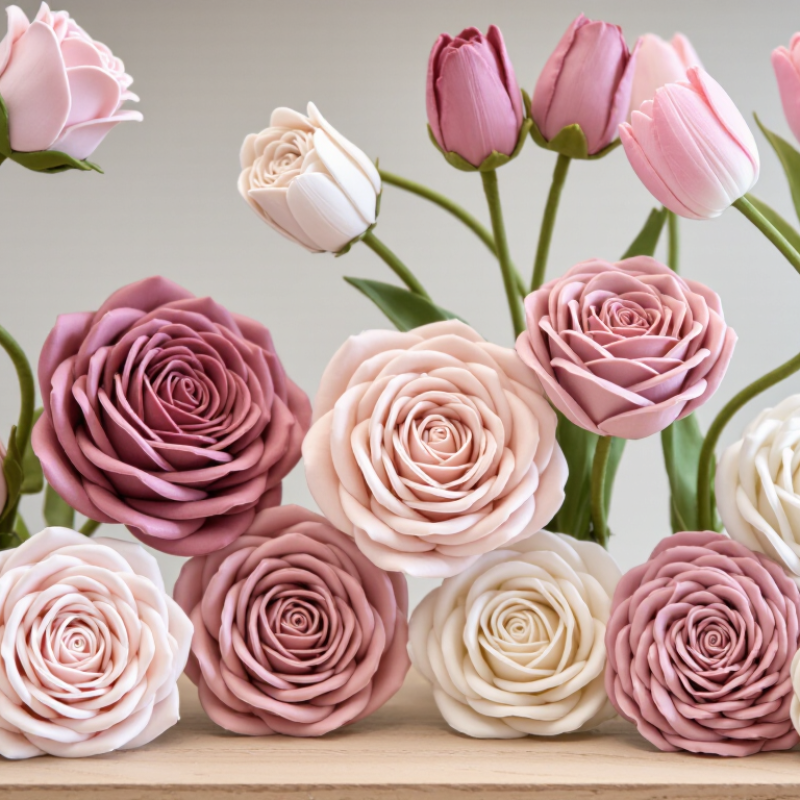
Quality standards should be written before suppliers quote. Grand View Research estimated the global artificial flowers market at about USD 1.6 billion in 2023, with continued growth through 2030. That growth increases supplier variety, but not consistency. Define the material clearly: silicone, TPE, or rubber blends. Require a specification sheet covering hardness, tensile strength, color tolerance, odor, surface finish, and stem flexibility.
Tip: Build a measurable sample card. Record petal thickness, leaf weight, color values, and acceptable defects. In practical sourcing, “realistic” is too vague. A buyer should set a visible color difference limit, such as Delta E ≤ 2, and inspect samples under daylight and warm indoor lighting. ASTM D2240 can support hardness testing, while ASTM D412 can measure tensile properties for suitable rubber materials. These standards improve comparison, although they do not replace product-specific testing.
Tip: Test durability before approving mass production. ISO 4892-3 offers a framework for accelerated UV exposure, while rub testing can reveal pigment transfer on white fabric. Request odor checks after packaging, heat exposure, and storage. The Rubber Manufacturers Association has reported that testing conditions strongly influence rubber performance, so record temperature and humidity during inspections.
Tip: Keep a retained sample from every approved batch. It sounds basic. It prevents arguments later. My own caution is simple: laboratory results can still miss crushed petals, uneven veins, or stiff stems. Inspect finished cartons, not only polished prototypes.
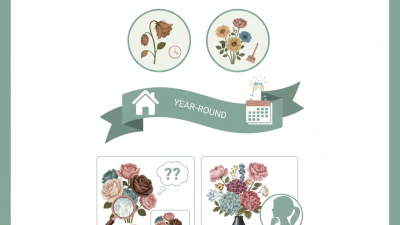
Tip 1: Compare materials before judging appearance. High-quality artificial flowers often use silk, polyester, latex, or flexible plastic. Silk creates soft petals, while polyester holds color well and resists wrinkles. Latex offers convincing bends and slight moisture-like shine. Ask suppliers about fading, odor, and long-term flexibility. I once chose a cheaper stem that looked perfect online but cracked during arrangement.
Tip 2: Study texture under different lighting. Real petals rarely have one flat surface. Look for fine veins, gentle folds, uneven edges, and subtle color changes near the center. A matte finish usually appears more natural than excessive gloss. However, some tropical flowers need a slight sheen. Request close-up photos and sample pieces whenever possible. Screens can make rough fabric look smoother than it really is.
Tip 3: Compare colors against real references, not only digital charts. Natural flowers often contain several nearby shades, such as pale cream, dusty pink, and muted green. Avoid perfectly uniform petals. Check whether the stem, leaves, and flower head share a believable color relationship. Realistic details matter: visible pollen, curled edges, tiny imperfections, and flexible sepals can improve authenticity. Still, too many details may look artificial. Suppliers should explain dye stability and provide consistent batch samples. My own preference is not always reliable, so I now ask another designer to review the sample before placing a larger order.
A reliable supplier should explain the flower’s elastomer clearly. Ask whether it uses TPE, silicone, PVC, or another rubber-like compound. Tip: Request a material specification sheet, batch number, and sample before discussing volume pricing. Compare petal softness, stem recovery, color stability, and surface odor under normal indoor conditions. A polished sample can still hide weak production controls.
Tip: Check ISO 9001 and ISO 14001 certificates directly with the issuing body. The ISO Survey 2023 recorded more than 1.26 million ISO 9001 certificates worldwide and over 530,000 ISO 14001 certificates. These figures show broad adoption, not automatic quality. Tip: Confirm the certificate scope, factory address, expiry date, and covered processes. Do not accept a logo alone. Also request recent test reports for colorfastness, tensile recovery, aging, and restricted substances. Requirements vary by market.
Tip: Audit the actual production site, not only the trading office. Review mixing equipment, injection or molding lines, pigment controls, curing time, and final inspection records. Ask for monthly capacity and peak-season output. Tip: Require a pilot run with production-line samples. Inspect ten randomly selected pieces. Small details matter, especially uneven veins and brittle stems. Tip: Examine traceability from raw material receipt to carton labeling. Tip: Ask how defects are recorded and corrected. A supplier with no recorded mistakes may be hiding them—or simply not measuring carefully. Finally, compare lead times, packaging tests, replacement policies, and backup capacity before signing.
Sourcing artificial rubber flowers requires more than checking catalog photographs. Grand View Research estimates the global artificial flowers market will expand steadily through 2030, increasing pressure on suppliers to offer consistent materials and finish quality. Rubber-like petals may contain silicone, TPR, PVC, or blended elastomers. Their performance can differ sharply.
Request samples before discussing a large order. Ask for three production samples, not one perfect showroom piece. Bend each stem repeatedly, press the petals, and leave one sample near a sunny window. Check color fading, surface tackiness, odor, seam strength, and dust retention after seven days. ISO 4892-3 provides a recognized method for accelerated ultraviolet exposure, while ASTM D1148 evaluates rubber deterioration under ultraviolet light. These tests are not identical to household use, but they reveal weak formulations. I once judged softness too quickly. The petals looked elegant, yet became brittle after heat exposure.
Tip: Ask suppliers for material specifications, batch records, and test conditions. A durability claim without exposure time means little. Request Shore hardness, tensile strength, and color-change results where available. Smithers’ plastics industry research repeatedly highlights the importance of recycled-content consistency and traceability, which can affect surface quality between batches. Keep a signed sample as the approval reference. Photograph it from several angles. Record its weight and dimensions. Small differences matter.
Tip: Test the flowers after shipping simulation. Place samples in a warm box, compress them lightly, and inspect recovered shape after 24 hours. Packaging can hide defects. Do not rely on one supplier’s laboratory report alone. Independent verification is safer, although it increases cost and slows purchasing decisions.
Use pre-production samples to compare how well different artificial rubber flower components retain their original performance after simulated handling, light exposure, and repeated bending.
How to read the chart: Higher retention indicates better sample durability. Before placing a bulk order, request samples, document the test conditions, and confirm that the supplier can maintain the same material and construction specifications during production.
10 Tips for Sourcing Artificial Rubber Flowers
Calculate Costs, Lead Times, and Order Requirements
Tip 1: Separate the unit price from the landed cost. Include samples, molds, packaging, freight, duties, inspection, and local delivery. A flower priced at $0.80 may reach $1.25 after these charges. Tip 2: Request a written quotation with currency, validity, payment terms, and packaging details. Tip 3: Compare suppliers using the same flower size, stem length, color, and rubber weight. Small differences can distort your calculation. Tip 4: Ask whether tooling costs are refundable. This detail is often overlooked.
Tip 5: Confirm the minimum order quantity for each color and design. Some suppliers accept mixed colors, while others require separate production runs. Tip 6: Calculate your first order from realistic sales, not optimism. Add a modest safety quantity, but avoid storing slow-moving seasonal colors. Tip 7: Request samples before approving bulk production. Check flexibility, surface texture, odor, color consistency, and stem strength. I once underestimated storage space for boxed flowers. It was an avoidable mistake.
Tip 8: Break the lead time into sample approval, material preparation, production, inspection, and shipping. Ask for calendar dates, not vague promises. Tip 9: Add a buffer for revisions, port delays, and holiday closures. Two extra weeks may protect a launch schedule. Tip 10: Confirm the final inspection standard in writing. Photograph approved samples and record acceptable color variation. Production rarely matches a sample perfectly, so define what “acceptable” means before ordering.
| No. | Sourcing Tip | Key Specification to Confirm | Typical Cost Range (USD per piece) |
Sample MOQ | Estimated Lead Time | Order Requirement Calculation | Quality and Cost Control |
|---|---|---|---|---|---|---|---|
| 1 | Define the flower type and use case first | Specify flower variety, stem length, head diameter, intended use, and whether the product is for indoor decoration, events, retail, or commercial displays. | $0.35–$1.20 For standard single-stem designs |
500–1,000 pieces per style | 25–40 days after sample approval | Required pieces = display quantity × number of displays × replacement factor. | Clear specifications reduce sample revisions and prevent unnecessary material upgrades. |
| 2 | Confirm the rubber material and flexibility | Check whether the petals and leaves use latex, silicone rubber, thermoplastic rubber, or a rubber-coated fabric construction. | $0.60–$2.50 Depending on material and detail |
300–800 pieces per material and color | 30–45 days for new tooling or material matching | Material requirement = finished quantity × estimated production loss, usually 3%–8%. | Request flexibility, odor, surface tackiness, and aging test samples before bulk production. |
| 3 | Calculate the landed cost, not only the unit price | Include product price, packaging, inland transport, export documentation, freight, insurance, duties, and destination handling charges. | $0.75–$3.50 landed estimate Illustrative range before destination taxes |
Usually based on one full commercial order | 35–65 days including transport | Landed cost = product cost + packaging + freight + insurance + duties + handling charges. | Compare quotations using the same delivery term, currency, quantity, and packaging standard. |
| 4 | Use a realistic demand forecast | Prepare monthly demand, seasonal peaks, launch quantity, safety stock, and expected replenishment frequency. | $0.40–$2.00 Typical volume-dependent range |
1,000–5,000 pieces for a forecast-based order | 20–35 days for repeat production | Opening order = forecast demand during lead time + safety stock − available inventory. | A safety stock of 10%–20% is commonly used when demand or transit time is uncertain. |
| 5 | Check MOQ by variation, not only by total order | Confirm whether the minimum quantity applies separately to each flower type, color, size, packaging format, or stem length. | $0.50–$2.20 Small mixed orders may carry a surcharge |
200–500 pieces per color; 1,000+ pieces per custom style | 30–50 days for multiple variations | Total order quantity = quantity per variation × number of variations. | Consolidating similar colors or using shared packaging can lower the effective MOQ. |
| 6 | Budget for custom colors and finishes | Define color reference, matte or glossy finish, surface texture, gradient effect, and acceptable color tolerance. | $0.80–$3.00 Custom color may add $0.05–$0.30 per piece |
500–2,000 pieces per custom color | 35–55 days, including color approval | Color development cost = one-time sampling or laboratory charge + unit color surcharge × quantity. | Approve a physical color standard because digital images can vary by screen and lighting. |
| 7 | Allow time for sample and pre-production approval | Review shape, dimensions, color, stem strength, petal attachment, odor, packaging, and barcode or label placement. | $20–$150 sample cost Shipping commonly charged separately |
1–3 samples per variation | 7–15 days for standard samples; 15–30 days for new molds | Production start date = approval date + material preparation + scheduled manufacturing time. | Use a signed specification sheet and approved sample as the production reference. |
| 8 | Plan packaging and carton utilization | Confirm individual wrapping, inner-box quantity, master-carton dimensions, gross weight, crush protection, and moisture control. | $0.08–$0.45 packaging cost Per finished piece |
Often tied to full inner-carton quantities | 3–10 additional days for printed or custom packaging | Carton count = total pieces ÷ pieces per carton, rounded up to the next whole carton. | Efficient carton packing can reduce freight volume and protect delicate petals during transit. |
| 9 | Set measurable inspection standards | Define acceptable limits for color variation, deformation, missing parts, surface marks, odor, incorrect quantity, and packaging damage. | Inspection: $150–$450 per visit Typical third-party inspection range |
Inspection sample size depends on lot size and risk level | 1–3 days for inspection and report | Inspection timing = approximately 80%–100% production completion and before final shipment. | Use an agreed sampling plan; visually inspect every carton when the product has high variation risk. |
| 10 | Build a reorder and contingency plan | Record repeat-order lead time, minimum reorder point, seasonal capacity, backup materials, and acceptable substitute specifications. | $0.40–$2.50 Repeat orders may avoid development charges |
500–2,000 pieces for repeat orders | 20–35 days for established styles | Reorder point = average daily usage × lead time in days + safety stock. | Place replenishment orders before inventory reaches the reorder point, especially before seasonal demand peaks. |