China Top Artificial Floral Plants Suppliers?
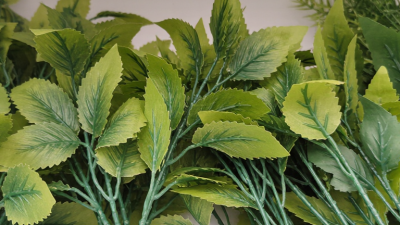
Finding China’s top Artificial Floral Plants suppliers requires more than comparing catalog photographs. A convincing supplier must combine design skill, material knowledge, stable production, and dependable communication. Product details matter: PE petals should feel natural, wire stems should bend without cracking, and leaves should retain their color under indoor lighting. Outdoor collections also need tested UV resistance.
Floral industry consultant Michael Perry says, “Artificial flowers succeed when texture, proportion, and placement feel more natural than decoration.” This principle is useful when evaluating Chinese manufacturers. A supplier may offer hundreds of styles, yet only a smaller selection may meet professional expectations. Examine close-up samples, stem joints, petal edges, and packaging before discussing large orders. Ask about material composition, factory capacity, quality inspections, customization, minimum order quantities, and replacement policies.
Experience often reveals what a brochure hides. Some suppliers produce beautiful samples but struggle with repeat orders. Others communicate quickly but provide limited design support. That difference matters for retailers, hotels, event companies, and interior designers. Factory audits, production videos, export records, and clear product specifications can strengthen trust. Independent testing may also be appropriate for flame resistance, color stability, or material safety, depending on the intended market.
There is no perfect shortlist.
This guide will compare leading Chinese suppliers through practical criteria, including craftsmanship, reliability, innovation, pricing, and service. It will also acknowledge uncertainty, because supplier performance can change with materials, staffing, and seasonal demand. Careful buyers should verify every important claim directly. A low price may look attractive, but inconsistent petals, weak stems, or delayed packaging can quickly increase the true cost.
What Are Artificial Floral Plants and Why Source Them from China?
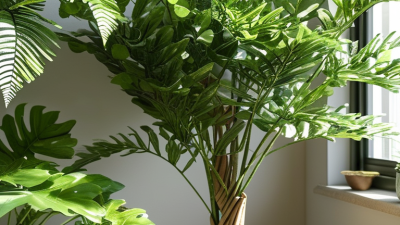
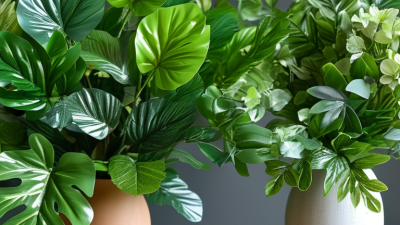
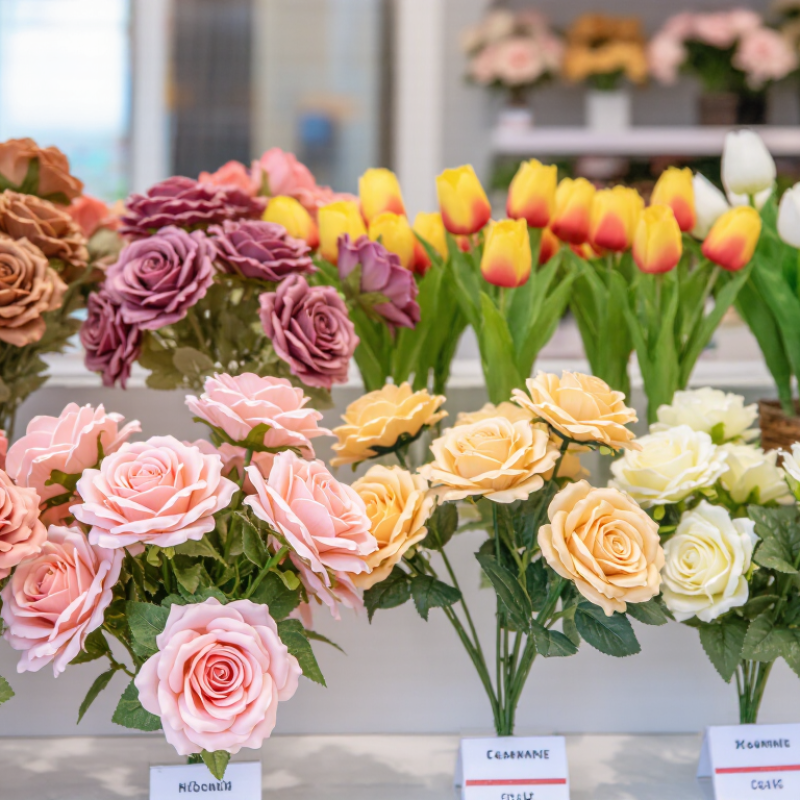
Artificial floral plants are decorative replicas made from materials such as polyester, plastic, foam, and wire. They imitate flowers, leaves, vines, and small indoor trees. Better products combine flexible stems with layered petals, varied green tones, and textured surfaces. They should look natural from a normal viewing distance, not only in product photos.
China is a practical sourcing location because its manufacturing network covers fabrics, plastic molding, metal wire, printing, packaging, and assembly. This connected supply chain can support customized colors, pot styles, plant heights, and seasonal collections. Many suppliers also handle export packaging and container loading. These services can reduce coordination work for overseas buyers. However, supplier capability differs widely. A polished showroom does not guarantee stable production.
Request physical samples before placing a large order. Check petal edges, stem strength, pot balance, odor, color consistency, and carton protection. For outdoor use, ask about UV resistance. For commercial interiors, confirm applicable fire-safety requirements in the destination market. A sample may look excellent, then reveal uneven glue or weak stems in bulk production. That risk deserves attention. Clear inspection standards, approved samples, and written tolerances make quality discussions more objective. Buyers should also compare lead times, minimum order quantities, replacement policies, and communication speed, not just unit prices.
Artificial floral plants are decorative products made from materials such as polyester, plastic, wire and foam to imitate flowers, foliage and potted plants. China is a major sourcing market because its export base covers a broad range of designs, materials, production volumes and customization options. The chart shows China’s reported export value for artificial flowers, foliage and fruit under HS 6702.
Source: UN Comtrade, HS 6702, China exports; values shown in rounded US$ billions.
How to Evaluate China’s Leading Artificial Floral Plant Suppliers
China Top Artificial Floral Plants Suppliers?
How to Evaluate China’s Leading Artificial Floral Plant Suppliers
A practical evaluation begins with the factory, not attractive catalog photos. Ask for production videos, workshop addresses, and recent quality records. A reliable supplier should explain material choices clearly. Common options include polyester, polyethylene, wire stems, and recycled plastics.
Request samples before discussing large orders. Check petal edges, color consistency, stem strength, and leaf attachment. Bend each stem gently. It should hold shape without cracking or shedding. Place samples near a sunny window for several weeks. This simple test may reveal fading that laboratory photos cannot show. Looks can mislead.
Supplier experience matters when designs require custom colors, pot sizes, or seasonal flowers. Review their process for mold making, hand assembly, packing, and final inspection. Ask how many inspectors handle each shipment. Confirm documented testing for relevant fire, chemical, and packaging requirements in your target market. Certificates should match the actual product, not a different material or old model.
Communication is another serious measure. Can the supplier answer technical questions without vague promises? Can they provide stable lead times during peak seasons? A small trial order may expose weaknesses in packing or consistency. That is useful information. No checklist is perfect. I would still keep written specifications, approved samples, inspection photos, and agreed tolerance limits. Some buyers overlook minor color variation, then regret it after installation.
Which Product Categories and Materials Do Chinese Suppliers Offer?
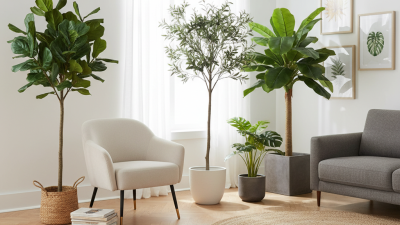
Chinese artificial floral plant suppliers offer a broad mix of decorative categories. Popular choices include single stems, bouquets, garlands, hanging vines, potted plants, trees, and seasonal arrangements. Buyers can also request wedding flowers, hotel lobby displays, office greenery, and outdoor-style landscaping pieces. Small tabletop plants often use lightweight plastic pots. Larger trees may include cement-filled bases for better stability.
Material selection affects appearance, durability, and cost. PE and PVC leaves provide consistent shapes and easy cleaning. Polyester and silk fabrics create softer petals with more natural folds. Latex-coated petals can feel realistic, but they may require careful storage. Many stems contain steel wire for shaping. Foam, wood, resin, and recycled plastic are also used in pots and structural parts. Some suppliers combine materials within one product.
From practical sourcing experience, sample approval should cover more than color. Check leaf thickness, petal edges, stem flexibility, pot balance, surface odor, and packing protection. Request colorfastness or UV-related test information when products face strong sunlight. A catalog image can hide uneven glue marks. Samples can still look better than mass production. That risk deserves attention. Clear specifications, inspection photos, and batch records make supplier communication more reliable. Even then, slight color variation may occur between fabric lots.
What Should Buyers Know About Pricing, Orders, and Shipping?
Choosing top artificial floral plant suppliers in China requires more than comparing catalog photos. Buyers should request a written quotation covering product price, customization, packaging, and sample fees. Confirm the minimum order quantity, production lead time, and payment schedule before placing an order. A low unit price can look attractive, but it may exclude leaves, pots, inner cartons, or quality inspection. That detail is easy to miss.
Ask suppliers for recent factory photos, material specifications, and clear color references. For silk flowers, confirm fabric type and color consistency. For plastic plants, check stem flexibility and surface finish. Samples are valuable, although they may not perfectly represent mass production. This is where buyers should remain cautious. Request pre-shipment photos and agree on acceptable defects in writing. Verbal promises are weaker than documented specifications.
Tips: Compare at least three quotations. Check carton dimensions and gross weight. Confirm whether prices use EXW, FOB, or another shipping term. Ask who arranges export documents and freight booking. For sea shipments, calculate port charges, customs costs, and final delivery separately. Air shipping may suit small urgent orders, but it can quickly reduce profit. Build extra time into the schedule, especially before holidays or during peak production periods. Mistakes still happen, so keep a written inspection and communication record.
China Top Artificial Floral Plants Suppliers? - What Should Buyers Know About Pricing, Orders, and Shipping?
Indicative purchasing reference for artificial floral plants sourced from China. Actual prices and terms vary according to materials, design complexity, order quantity, customization, packaging, season, and shipping destination.
| Product Category |
Typical Size |
Indicative FOB Price
per Piece (USD) |
Typical MOQ |
Sample Lead Time |
Bulk Production Lead Time |
Packaging Guidance |
Best Buyer Consideration |
| Artificial Flower Stems |
40–90 cm |
$0.35–$3.50 |
100–500 pieces per style |
7–15 days |
20–35 days |
Inner cartons with protective sleeves; bulk packing is common. |
Compare flower head density, stem flexibility, color consistency, and UV resistance. |
| Tabletop Floral Arrangements |
15–40 cm |
$1.50–$8.00 |
50–200 pieces per style |
7–14 days |
25–40 days |
Individual boxes or partitioned cartons help prevent deformation. |
Confirm vase material, arrangement stability, finished weight, and retail-ready presentation. |
| Artificial Potted Plants |
30–100 cm |
$4.00–$25.00 |
50–200 pieces per style |
10–18 days |
25–45 days |
Use reinforced cartons and separate protection for pots and foliage. |
Check pot finish, cement or sand filling, plant density, and carton drop-test performance. |
| Artificial Hanging Plants |
60–120 cm |
$5.00–$28.00 |
50–150 pieces per style |
10–18 days |
25–45 days |
Compressible foliage can reduce volume, but unpacking instructions are needed. |
Evaluate hanging strength, branch recovery after packing, and colorfastness. |
| Artificial Green Walls and Panels |
40 × 60 cm to 100 × 100 cm |
$8.00–$45.00 per panel |
30–100 panels per design |
12–20 days |
30–50 days |
Flat cartons with corner protection; larger panels may require pallet packing. |
Measure panel thickness, connection method, backing quality, and coverage per square meter. |
| Large Artificial Trees |
120–300 cm |
$25.00–$180.00 |
10–50 pieces per style |
15–25 days |
35–60 days |
Split trunks and detachable branches can lower carton size and shipping cost. |
Request assembled height, base stability, branch count, and installation instructions. |
| Custom Floral Displays |
Project-specific |
$50.00–$500.00+ |
10–50 sets, depending on design |
15–30 days |
40–70 days |
Custom foam, molded inserts, or wooden crates may be required. |
Approve drawings, color swatches, prototypes, tolerances, and pre-shipment inspection criteria. |
| Customization and Private Labeling |
Depends on product |
Usually adds $0.10–$3.00 per piece |
Often 300–1,000 pieces |
7–20 additional days |
10–25 additional days |
Printed cartons, hangtags, stickers, and inserts may require separate setup charges. |
Confirm artwork format, color proofing, intellectual-property rights, and tooling ownership. |
| Payment Terms |
Not applicable |
Commonly 30% deposit and 70% before shipment |
Depends on order value |
Not applicable |
Not applicable |
Use documented purchase orders and specify inspection and balance-payment conditions. |
For larger orders, negotiate milestone payments linked to sample approval and inspection. |
| Sea Freight Planning |
Not applicable |
Freight is quoted separately from product price |
Suitable for pallet, LCL, or container shipments |
Carrier schedule dependent |
Approximately 25–50 days port-to-port, route dependent |
Calculate both carton volume and chargeable weight before comparing quotes. |
Clarify FOB, CIF, or DDP terms, destination charges, customs responsibility, and insurance. |
| Air and Express Shipping |
Not applicable |
Higher cost; quote depends on chargeable weight |
Suitable for samples and urgent small orders |
Approximately 3–10 working days in transit |
Production time remains separate |
Use compact packaging and protect delicate petals from crushing. |
Compare dimensional weight, fuel surcharges, duties, taxes, and remote-area fees. |
| Quality Inspection |
Not applicable |
Third-party inspections commonly range from $200–$500 per day |
Recommended before final payment |
Usually arranged 3–7 days before inspection |
Inspection does not replace product testing |
Prepare an inspection checklist covering appearance, quantity, dimensions, and packaging. |
Use approved samples and written defect limits to reduce disputes over color and workmanship. |