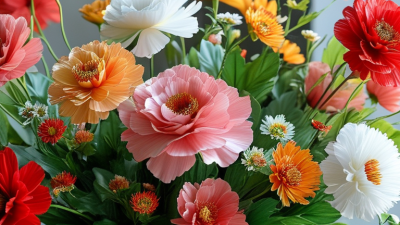
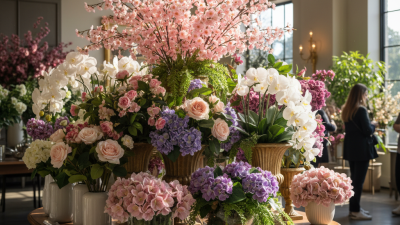
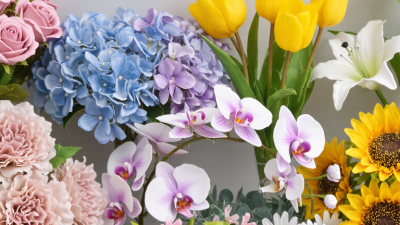
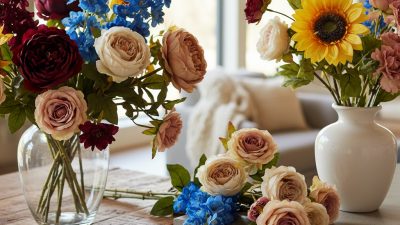
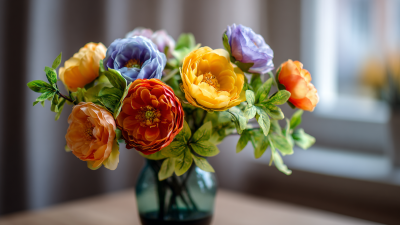
Plastic Flowers are entering 2026 with stronger design expectations and sharper consumer scrutiny. Allied Market Research valued the global artificial flowers market at approximately USD 1.6 billion in 2022. Its forecast reaches about USD 2.5 billion by 2032. Grand View Research also identifies home decoration, hospitality, and commercial interiors as important demand areas. These figures cover artificial flowers broadly, not plastic products alone. That distinction matters.
J Schwanke, AIFD, a floral designer, author, and educator, offers a useful design principle: “The best artificial flowers invite you to look twice.” That idea suits 2026. Buyers will examine petal edges, stem flexibility, color variation, and surface shine. A realistic rose should not appear uniformly red under a window. A convincing fern needs irregular leaves, not identical plastic copies. Small details now influence perceived quality.
This guide explores the top Plastic Flowers types expected to attract attention in 2026. It considers roses, peonies, tulips, orchids, hydrangeas, and realistic greenery. Durability, cleaning needs, texture, and styling value will shape the rankings. Sustainability also requires honesty. Plastic flowers can reduce replacement waste, but they remain synthetic products. They are not automatically eco-friendly.
The market is growing. The evidence is imperfect.
Report definitions vary, and consumer preferences shift quickly. Therefore, this overview combines published market data, professional floral design practice, and practical product evaluation. The goal is not to praise every artificial bloom. It is to identify which Plastic Flowers look convincing, perform reliably, and fit modern interiors without creating unnecessary visual clutter.
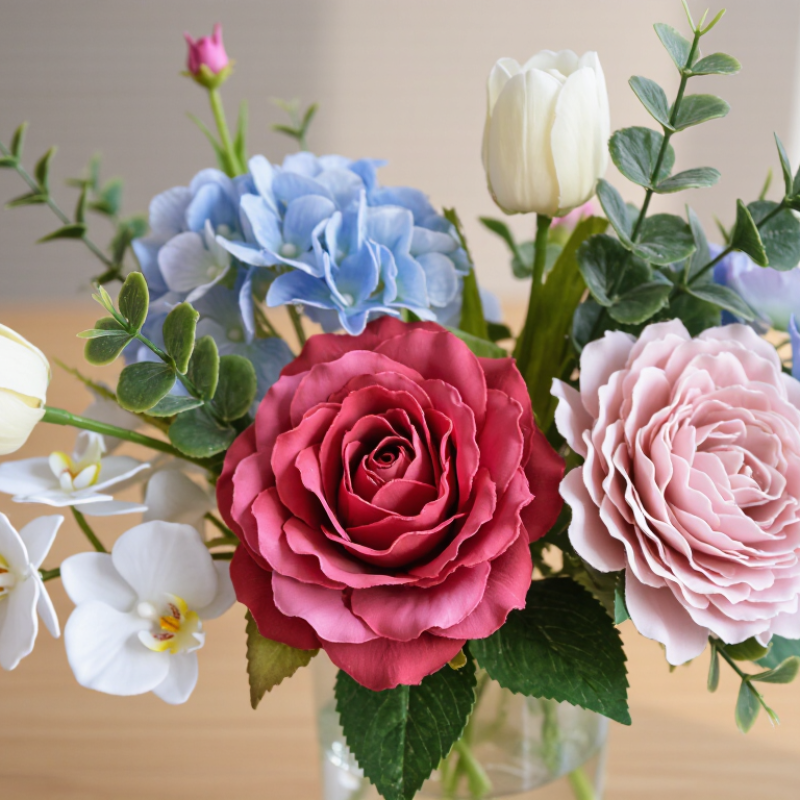
What Are the Top Plastic Flower Types for 2026?
Plastic flower types are becoming more realistic, but their defining features still differ. Molded polyethylene flowers offer flexible petals and soft color gradients. They suit outdoor displays because they resist moisture and repeated handling. Polypropylene flowers feel lighter and hold sharp petal shapes. They work well in modern arrangements. PVC flowers usually provide firm stems, glossy leaves, and strong color stability. However, some PVC petals can look overly shiny under direct lighting. Polyester-based blooms create a silk-like appearance, although they may need more dusting. Grand View Research’s 2024 artificial flowers market assessment projects steady global growth through 2030, with realism and long-term use supporting demand.
Durability is not the only selection factor. Material thickness affects how petals bend, crease, and recover. UV-resistant coatings help reduce fading near sunny windows. A report from PlasticsEurope recorded 413.8 million tonnes of global plastics production in 2023. This figure reinforces the need for thoughtful material choices and longer product use. Reusable stems and replaceable heads can reduce unnecessary disposal. I still find “eco-friendly plastic” claims difficult to judge without full material information. That uncertainty deserves attention.
Tips: Compare the flower under warm and cool lighting. Check whether the stem contains a bendable wire core. Look for matte petals when a natural finish matters. For outdoor use, confirm UV and moisture resistance. Keep arrangements away from heaters, because heat can soften thin petals. Expect minor imperfections. They often reveal how the material will age.
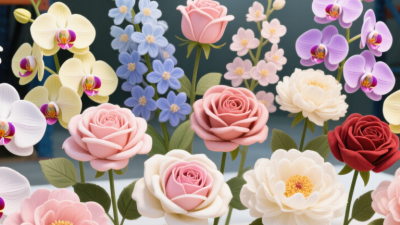
Plastic Flower Types and Their Defining Features
This chart compares commonly used synthetic flower materials by their commonly associated characteristics. A value of 1 indicates that the feature is generally associated with the material, while 0 indicates that it is not a primary defining feature. Actual performance can vary according to construction, coatings, and manufacturing quality.
Popular Plastic Flower Varieties for 2026 are moving toward softer textures, natural asymmetry, and practical indoor use. Grand View Research forecasts the artificial flowers market to grow at about 5.9% annually from 2024 to 2030. That growth supports wider variety, not just cheaper decoration.
Polyethylene roses remain a strong choice for dining tables and hotel arrangements. Their layered petals can resist dust and hold shape better than thin PVC petals. Orchids are also popular, especially in bathrooms and shaded offices. Look for flexible stems and slightly uneven blooms. Perfect symmetry often looks artificial. Hydrangeas add volume quickly, while tulips suit narrow vases and small apartments. Artificial eucalyptus and olive branches continue to support minimalist displays, although some leaves still appear too glossy under direct lighting.
Material selection matters more than flower count. A 2024 IMARC report places the global artificial flowers market on a continued growth path through 2032, driven partly by low-maintenance home décor. Yet forecasts vary. I would not treat every market estimate as a promise. In practical use, softer PE petals usually photograph better, while PVC can offer sharper color at a lower cost. Check the stem wire, petal edges, and color variation before buying. Real flowers are imperfect. Plastic flowers should be, too.
Color choices are also changing. Soft ivory, dusty peach, muted lavender, and faded green suit modern interiors without looking overly bright. Realistic flowers need tonal variation, not one flat shade. Look for darker centers, pale outer petals, and subtle marks along the veins.
Tips: Touch the petals before buying, if possible. Choose materials with a soft, dry finish. Bend several stems in different directions. Avoid identical flower heights. Place artificial blooms near natural light, then check their shadows. Clean them gently, because thick dust quickly ruins realistic details. A slightly uneven arrangement often looks more natural than a perfectly balanced one.
What Are the Top Plastic Flower Types for 2026?
Choosing plastic flowers depends on the room, lighting, and how often the arrangement will be handled. For living rooms, artificial roses and hydrangeas create a fuller, softer appearance. Their layered petals hide stems and suit large ceramic vases. Tulips work better on desks, shelves, and narrow entry tables. They have cleaner lines and need less visual space.
Measure the space first. Dust shows quickly. In kitchens and bathrooms, choose compact plastic orchids or calla lilies with smooth surfaces. These flowers are easier to wipe and tolerate humid air better than delicate fabric styles. For balconies or sunny windows, select UV-treated materials and secure the stems inside a heavy container. Direct sunlight can still fade them over time.
Bedrooms benefit from muted colors and simple greenery, such as plastic eucalyptus or fern leaves. They add texture without making the room feel crowded. For events, mixed bouquets offer height, color, and repeatable styling. I usually vary stem lengths before trimming anything. Once, I cut too much and had to rebuild the arrangement around short stems. That mistake changed my process. Check the base, remove loose leaves, and keep flowers away from heaters or open flames. Not every realistic flower suits every space.
| Plastic Flower Type | Most Suitable Spaces | Recommended Uses | Visual Characteristics | Typical Lifespan Indoors | Maintenance Level | Key Selection Tip |
|---|---|---|---|---|---|---|
| Plastic Roses | Living rooms, bedrooms, reception desks, dining areas | Romantic arrangements, centerpieces, seasonal décor | Layered petals and full blooms create a traditional floral appearance | 3–8 years with regular dusting and limited direct sunlight | Low | Choose layered petals with natural color variation rather than a perfectly uniform finish. |
| Plastic Tulips | Kitchens, entryways, offices, spring-themed displays | Simple bouquets, desk décor, bright seasonal accents | Clean cup-shaped blooms and smooth, upright stems | 3–7 years indoors when protected from heat and strong sun | Low | Select flexible stems that can be adjusted to create a less rigid arrangement. |
| Plastic Hydrangeas | Dining rooms, wedding venues, hotel lobbies, large consoles | Full floral arrangements, event décor, statement pieces | Large rounded flower heads provide volume with relatively few stems | 3–8 years indoors with gentle cleaning | Low to moderate | Use a wide, stable vase because large flower heads can make arrangements top-heavy. |
| Plastic Peonies | Bedrooms, living rooms, bridal décor, boutique interiors | Luxury-style bouquets, photo backdrops, decorative vases | Dense, ruffled petals offer a soft and abundant appearance | 3–7 years indoors away from direct sunlight | Low to moderate | Look for varied petal heights and subtle shading to avoid an artificial, flat look. |
| Plastic Daisies | Children’s rooms, kitchens, classrooms, casual office areas | Cheerful arrangements, craft projects, everyday décor | Open, simple blooms with a light and informal appearance | 3–8 years indoors with basic dust removal | Low | Choose rounded, flexible petals for a more natural look and safer handling. |
| Plastic Orchids | Bathrooms, hotel rooms, offices, minimalist interiors | Elegant single-stem displays, counter décor, modern arrangements | Distinctive blooms and arching stems create a refined silhouette | 3–7 years indoors; avoid prolonged moisture on fabric components | Low | Confirm that the base is weighted or securely potted for tall, curved stems. |
| Plastic Sunflowers | Entryways, patios under cover, kitchens, event spaces | Seasonal décor, bold focal arrangements, rustic displays | Large yellow blooms provide strong color and visual impact | 2–6 years indoors; outdoor color retention varies by UV exposure | Moderate | For outdoor use, select UV-treated materials and place them under a roof or canopy. |
| Plastic Lavender Stems | Bathrooms, shelves, workspaces, small apartments | Small-space décor, calming accents, narrow vases | Slim stems and clustered purple florets suit compact displays | 3–8 years indoors with occasional dusting | Low | Choose several stem heights to create depth in narrow containers. |
| Plastic Greenery and Filler Flowers | Offices, retail displays, event installations, large rooms | Filling gaps, mixed arrangements, wall and hanging décor | Adds texture, height, and visual balance around larger blooms | 2–7 years indoors; shorter in direct sunlight | Moderate | Combine different leaf shapes and green tones instead of repeating one identical stem. |
For 2026, molded polyethylene flowers offer a practical balance of realism and durability. Their thicker petals resist crushing, moisture, and repeated handling. Polyester flowers create softer, fabric-like textures and hold color well indoors. PVC stems remain flexible, but they deserve closer scrutiny. The OECD’s Global Plastics Outlook (2022) reported 353 million tonnes of plastic waste in 2019, with only 9% recycled. A decorative flower can last for years, yet disposal remains difficult.
Care affects both appearance and lifespan. Wipe petals with a dry microfiber cloth every few weeks. Avoid strong cleaners, direct heat, and prolonged sunlight. Store arrangements in breathable boxes, not sealed damp bags. In practical display work, detachable stems are useful because damaged parts can be replaced. That reduces unnecessary disposal. Still, “recyclable” claims can be unclear when petals, wire, foam, and coatings are bonded together.
Tips: Choose mono-material PE or polyester pieces where possible. Ask for recycled-content details and care instructions. Prefer durable designs over seasonal impulse purchases. The United Nations Environment Programme’s Turning off the Tap report (2023) states that global plastic pollution could fall by 80% by 2040 through reuse, recycling, and reduced production. Reuse fits artificial flowers well, but it is not automatically sustainable. I would question any product with vague material labels, excessive packaging, or fragile decorative finishes. A slightly less lifelike flower may be the wiser long-term choice.