Choosing the best type of Silk Flowers for wholesale is not simply a question of appearance. It involves material quality, production consistency, shipping safety, and customer expectations. A realistic evaluation begins with the flower’s fabric. High-grade polyester silk flowers usually offer sharp petals, stable colors, and a more natural surface. Nylon designs can feel softer, but they may lose shape during storage or transport.
Floral sourcing consultant Laura H. Kim explains, “A beautiful sample is not enough; wholesale buyers need consistency in every carton.” This point matters when ordering roses, peonies, orchids, or seasonal stems in large quantities. A single sample may look excellent under showroom lighting. However, uneven petal edges, weak wires, or mismatched colors can appear after opening several cartons. Buyers should request production samples, inspect stem strength, and confirm color standards before placing a large order.
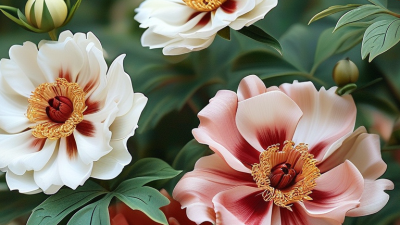
The best choice depends on the market. Wedding suppliers may prefer realistic peonies with flexible stems. Home décor retailers may need UV-resistant Silk Flowers for bright windows and outdoor displays. Budget stores often choose polyester arrangements with simpler detailing. There is no perfect option. I still find that some highly realistic flowers are too expensive for everyday retail. Meanwhile, lower-priced styles may sell well when arranged thoughtfully. Wholesale decisions should compare appearance, durability, minimum order quantities, packaging, and replacement policies. Reliable suppliers provide clear product details and consistent communication. That evidence is more valuable than attractive photographs alone.
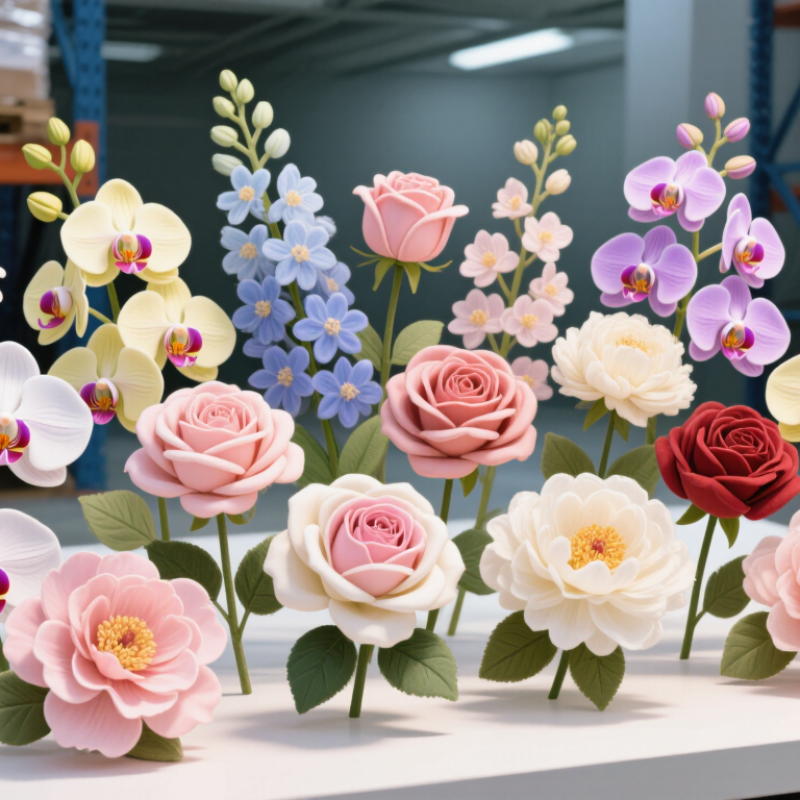
For wholesale silk flowers, fiber choice affects appearance, durability, handling, and price. Polyester remains the most practical option for large-volume orders. Its fibers hold printed colors well, resist wrinkles, and keep petals shaped during shipping. However, polyester can look slightly stiff when the fabric is poorly finished. Ask for close-up samples before confirming a full order.
Nylon creates thinner, softer petals with a gentle sheen. It suits delicate blossoms, layered arrangements, and designs needing flexible edges. Nylon usually recovers well after handling, but excessive heat may distort it. Rayon offers a more natural drape and a less synthetic touch. Its absorbent fibers can create convincing texture, although rayon may lose stability in humid storage. It also tends to wrinkle more easily.
Blended fabrics can balance these weaknesses. Polyester-rayon blends may combine shape retention with softer movement, while polyester-nylon blends can improve resilience and surface texture. The exact ratio matters. A small fiber change can alter cutting, dye absorption, and petal stiffness. Test the fabric under repeated bending, rubbing, and brief light exposure. Check whether the edges fray.
Do not judge fiber quality by shine alone. That is an easy mistake. Request fiber composition records, colorfastness information, and sample approval procedures from the supplier. In practice, polyester often works best for outdoor-style displays, while rayon or blends may suit premium indoor arrangements. Yet finishing quality can matter more than the fiber label.
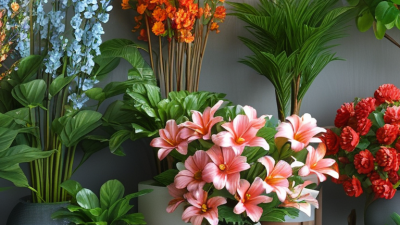
Wholesale buyers should measure demand before choosing a silk flower category. Grand View Research estimates the global artificial flowers market could expand at more than 5% CAGR through 2030. That pace suggests steady opportunity, not unlimited volume. Silk flowers with realistic polyester petals, flexible stems, and soft-touch finishes may fit everyday décor, weddings, hospitality, and seasonal displays.
IMARC Group also reports continued growth in artificial flower demand, supported by longer product life and reduced maintenance. These advantages matter to wholesalers. A hotel may prefer neutral white arrangements, while event decorators often need blush, cream, and deep green shades. Test small batches first. Track repeat orders, return rates, damaged stems, and the time required for repacking. Beautiful samples can still move slowly.
Material choice needs practical judgment. Polyester usually offers detailed color printing and broad price control. Polyethylene can provide a fuller, more natural surface, but it may raise purchasing costs. Grand View Research identifies decorative use as a major market driver, yet forecasts cannot predict every regional preference. Some buyers may reject highly glossy petals. I would question any plan based only on CAGR figures. Compare three months of sales data with local wedding calendars, hospitality projects, and seasonal demand before scaling inventory.
What Is the Best Type of Silk Flowers for Wholesale?
For wholesale silk flowers, appearance is only one part of quality. Lightfastness can protect that appearance during shop displays, events, and long-term storage. AATCC TM16.3 evaluates color change after controlled xenon-arc light exposure. Its 1–5 rating helps buyers compare samples. A rating of 1 indicates poor resistance, while 5 represents excellent resistance. Ask suppliers for complete test records, not only a printed number. That distinction matters.
In practical sourcing, request identical flower samples from different production batches. Place them near a bright window for several weeks, then compare them with an unexposed sample. This simple check cannot replace laboratory testing, but it can reveal uneven dye performance. Photograph the petals under the same lighting. Record the exposure period and location. Small color shifts are easy to miss. Petals may fade before leaves do.
A strong wholesale selection should combine realistic texture, stable construction, and a suitable lightfastness result. Outdoor displays need stricter expectations than indoor wedding décor. However, a rating of 5 does not guarantee perfect color in every environment. Heat, moisture, dust, and ultraviolet exposure can still affect materials. I have seen attractive samples fail after installation because testing conditions were misunderstood. That is a useful warning. Review the test date, material details, and rating method before placing a large order. When uncertainty remains, order a smaller trial batch and inspect it in the intended display setting.
For wholesale silk flowers, material compliance can matter as much as color, texture, and price. Under EU REACH Annex XVII, lead in certain articles supplied to the public is restricted to 0.05% by weight, where the rule applies. Decorative stems, metal wires, weights, and painted details deserve careful review. Silk petals may be safe, while a small hidden component creates the risk.
A practical procurement check should identify every material, not only the fabric. Ask suppliers for a complete component declaration and recent laboratory results. X-ray fluorescence screening can locate lead quickly, but accredited chemical testing may still be needed for confirmation. Testing should follow recognized methods through an ISO/IEC 17025-accredited laboratory. The European Chemicals Agency’s REF-10 enforcement project reported non-compliance in about 18% of inspected products across checked chemical restrictions. That figure shows why paperwork alone is weak evidence.
Keep batch numbers, supplier declarations, test dates, and product photographs together. Test finished articles, not only raw materials. A recycled metal wire can change between production lots. This is easy to overlook. The ECHA restriction contains scope conditions and exemptions, so applying the 0.05% figure blindly can also mislead buyers. Compliance teams should review the intended use, accessible parts, and destination market before shipment. Some suppliers provide incomplete reports. That should trigger another question, not immediate approval.
The best wholesale silk flower depends on fiber performance, order volume, landed cost, and final use. Polyester flowers usually offer strong color retention and dependable shape. They suit event décor, retail displays, and repeated seasonal handling. Nylon petals often feel lighter and show delicate edges. They work well for wedding arrangements and premium gift packaging. Rayon can look exceptionally soft, but it may wrinkle or fade more easily. That trade-off deserves attention.
Request samples before approving a large MOQ. Rub petals gently, bend stems, and check whether dye transfers onto a white cloth. Measure packed cartons, not just individual stems. A low unit price can become expensive after freight, import charges, protective packaging, and warehouse handling. Landed cost tells the real story. For high-volume retailers, polyester often wins because stable production reduces replacement claims. For boutique orders, nylon may justify a higher price through finer detail and a softer appearance.
Do not judge fiber by touch alone. Inspect leaf wiring, glue points, stem coating, and color consistency across cartons. Ask suppliers for production tolerances and batch photos.
I have seen attractive samples fail when bulk petals arrived darker and flatter. That mistake is avoidable, but not always.
Recheck the MOQ against your storage space and sales forecast. A smaller trial order may cost more per stem, yet protect cash flow and reveal practical defects early.