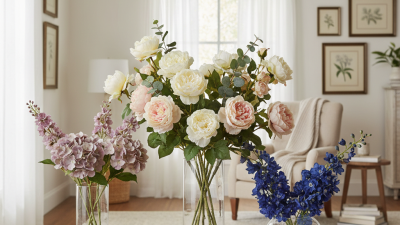
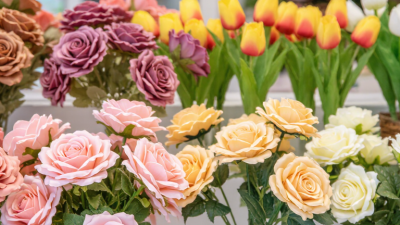
A Fake Flower Bouquet can give a business a dependable visual identity without demanding daily watering, pruning, or climate control. In a hotel lobby, one arrangement can remain bright beside the reception desk through busy check-ins and weekend events. This consistency matters for restaurants, salons, offices, and retail stores that need attractive spaces with limited maintenance time.
Market evidence supports growing interest in artificial floral products. Grand View Research estimates that the global artificial flowers market was worth approximately USD 1.9 billion in 2022. Its report also projects continued growth through 2030, supported by decorative demand and longer product use. These figures are estimates, and different research firms report different market boundaries. That difference deserves attention.
The business case is practical. Artificial bouquets can reduce replacement frequency, protect displays from seasonal supply shortages, and support repeatable styling across multiple locations. They also avoid water spills on wooden counters and reduce pollen concerns for some indoor settings. However, the choice is not automatically sustainable or premium. Many products contain plastic materials, and poor construction can look artificial under strong lighting. The case is not perfect.
Professional buyers should inspect fabric quality, stem flexibility, color accuracy, fire-safety information, packaging, and supplier reliability. A realistic arrangement should match the brand’s setting, not merely fill an empty vase. Industry reports can guide the decision, but firsthand testing remains essential. A bouquet that photographs beautifully may still look weak at arm’s length. That small test can prevent a costly mistake.
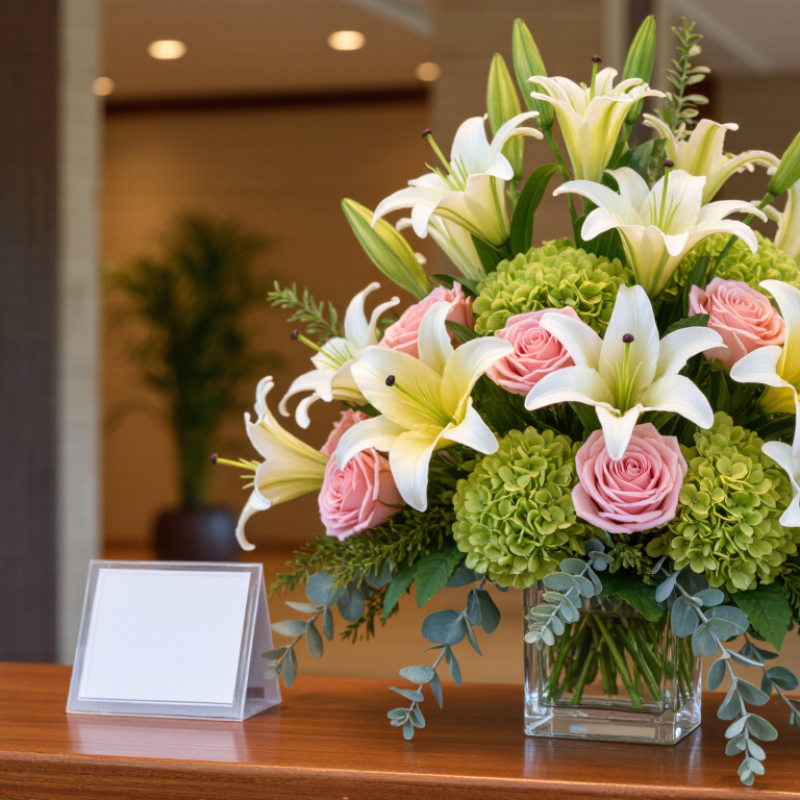
The artificial flower market is entering a practical growth phase. Allied Market Research projects approximately 5% CAGR through 2031, reflecting stronger demand from hospitality, offices, retail spaces, and event venues. The signal is clear. Businesses want visual warmth without weekly replacement costs.
A fake flower bouquet can support predictable maintenance budgets. It needs no watering, sunlight, pruning, or emergency replacement after a weekend closure. In a reception area, a well-designed arrangement can remain presentable for months. That consistency matters when staff time is limited. Grand View Research also identifies commercial interiors and hospitality as important demand areas for artificial flowers, supported by improvements in texture, color, and material realism.
However, the numbers need careful reading. Market reports use different definitions, including decorative stems, preserved flowers, and synthetic arrangements. Their estimates may not match perfectly. Buyers should compare durability, fire-safety documentation, cleaning requirements, and disposal policies before ordering. Lower purchase prices can become expensive if petals fade quickly or stems break during storage.
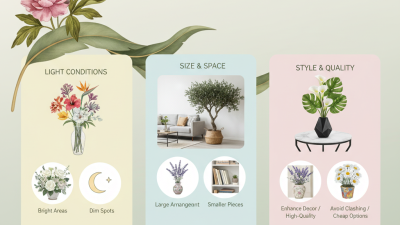
From a professional sourcing perspective, the best bouquet should match the room’s scale and lighting. Dense arrangements suit large counters, while smaller stems work better beside menus or payment desks. Realistic imperfections can help. An overly glossy finish may look artificial under bright LEDs, while varied petal tones create a more natural appearance. A simple quarterly inspection can catch dust, fading, and loose components before customers notice.

Recurring flower costs can quietly strain a business budget. The USDA’s Floriculture Crops 2023 Summary reported approximately $6.7 billion in U.S. floriculture sales. That scale reflects a competitive industry, but prices still shift with seasonality, transport, and supply.
A fresh bouquet costing $40 weekly can reach $2,080 annually, before delivery, arranging, and disposal.
A reusable artificial bouquet may cost $90 initially. Add $8 monthly for cleaning, storage, and occasional replacement. The first-year total becomes about $186, saving nearly 91% against the example fresh-flower budget.
These figures are estimates, not promises. A florist-quality arrangement may cost more, while cheaper materials may fade or look artificial under bright reception lighting.
Labor deserves attention. If staff spend 15 minutes each week arranging fresh flowers, a $20 hourly labor value adds roughly $260 annually. The Bureau of Labor Statistics reported an average U.S. hourly wage of $31.48 across private industry in December 2023, making internal labor worth measuring carefully.
A reusable bouquet still needs dusting and repositioning. It is not maintenance-free.
The practical test is visual. Place one bouquet near a window for two weeks. Check color, dust, and customer reactions.
Some businesses may prefer seasonal freshness despite the expense. Others need predictable costs and consistent presentation. The honest answer depends on traffic, lighting, storage space, and how often the display changes.
A fake flower bouquet can simplify daily operations in busy commercial spaces. Reception desks, restaurants, and meeting rooms often lack consistent watering routines. One missed watering round can leave real flowers wilted before an important client visit. Artificial arrangements remove that risk and keep the display visually stable throughout the week. They also avoid soil spills, drainage problems, and water stains on polished surfaces.
The maintenance workload becomes more predictable. Staff can dust the petals and leaves during a scheduled cleaning visit, rather than checking moisture every day. A microfiber cloth or gentle air blower usually handles light dust. The bouquet may need repositioning after cleaning. That small task is easier to assign and record. Replacement needs also decrease because stems do not die after a short display period. However, “maintenance-free” is not accurate. Cheap materials may fade near strong windows, and bent stems can make an arrangement look careless.
A reliable purchasing decision should consider sunlight exposure, cleaning access, material quality, and expected foot traffic. In a high-contact lobby, secure containers and flexible stems may prevent frequent adjustments. In a bright shop window, fade resistance deserves closer attention. From an operational perspective, artificial flowers can reduce recurring labor and water use, but they still need inspection. A dusty bouquet can damage a professional impression quickly. That is an easy detail to overlook.
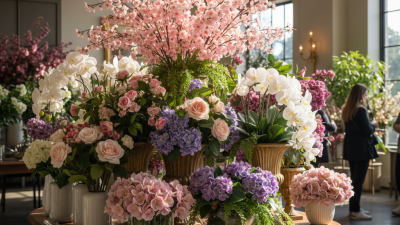
A fake flower bouquet can give a business consistent color without wilting, watering, or pollen. Realism matters, but it is not only about appearance. Inspect leaves under bright retail lighting. Check vein patterns, stem flexibility, petal edges, and color variation. A glossy leaf may still look artificial from two meters away. In my experience, mixed textures create a more convincing display than identical flowers repeated across every vase.
Material selection also affects safety and maintenance. Common options include polyethylene, polyester, PVC, wire, and coated paper. Request material specifications and safety data from the supplier. Low-odor materials are preferable in enclosed reception areas. Artificial flowers do not release natural pollen, but they can collect dust, fibers, and cleaning residues. The American College of Allergy, Asthma & Immunology notes that indoor dust can carry allergens, so staff should clean bouquets gently with a microfiber cloth or compressed air. “Dust-free” is not a permanent condition.
Fire performance requires careful verification. The National Fire Protection Association has reported thousands of U.S. home fires involving decorative materials each year, showing why decorative displays deserve risk controls. Ask whether the finished arrangement has been tested for a relevant standard, such as NFPA 701 or ASTM E84, where applicable. These tests do not make every product fireproof. Keep bouquets away from lamps, heaters, candles, and electrical panels. I would also check the vase base and wire ends; a beautiful arrangement becomes a workplace hazard if it tips easily or scratches customers.
Design and safety should be assessed together. Artificial bouquets can provide consistent visual appeal without biological pollen, but their fabric, plastic, coatings, and wiring must still be checked for fire performance and material safety.
The chart shows the upper flame-spread index limit for the three ASTM E84 classifications: Class A is 0–25, Class B is 26–75, and Class C is 76–200. A bouquet does not automatically receive a fire rating because of its material; request product-specific test documentation. Artificial flowers also produce no biological pollen, which may help reduce pollen-related concerns, but dust, fragrances, adhesives, dyes, and plastic additives should still be reviewed.
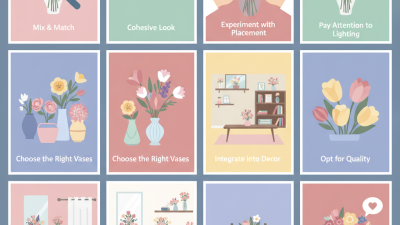
A commercial bouquet should match the setting, not simply fill an empty table. In a hotel lobby, choose tall arrangements with restrained colors and realistic foliage. They must survive constant handling, sunlight, and daily cleaning. A reception desk needs a compact design that protects visitor sightlines. In restaurants, low centerpieces reduce spills and keep conversations comfortable. These small decisions show practical experience.
Artificial bouquets suit venues that need stable presentation for months. The 2024 State of the Restaurant Industry Report projected U.S. restaurant sales above one trillion dollars, while operators still face intense cost pressure. Fewer replacements can protect labor budgets. However, the initial purchase may exceed several fresh bouquets. The return depends on lifespan, cleaning time, and storage requirements.
Not always.
The 2024 Global Wellness Economy Monitor valued the global wellness economy at 6.3 trillion dollars in 2023. That figure does not prove flowers create revenue. It does show why atmosphere matters across hospitality, offices, clinics, and retail spaces. A calm, natural-looking arrangement may support perceived comfort without watering schedules or seasonal shortages. Still, plastic shine, dust, and repetitive styling can weaken credibility. Facilities teams should inspect samples under actual lighting, record replacement costs, and review customer feedback after ninety days. A cheaper bouquet may age badly. A durable one may still feel emotionally flat.